


Ever thought about how much you can control your lifespan? Many think it’s all about genes or luck. But studies show a surprising finding: up to 75% of the factors that affect our lifespan are within our control.
By changing a few daily habits, you can significantly boost your health. A study in Circulation found that following five simple habits can add years to your life. Women gained 14 years, and men 12 years on average.
This article is your guide to ditching bad habits that harm your health. It’s never too late to make better choices. You’ll see how small changes can make a big difference in your health.

Key Takeaways
- Many factors affecting lifespan are controllable.
- Small lifestyle changes can lead to significant health improvements.
- Adhering to five key practices can increase life expectancy.
- It’s never too late to adopt healthier habits.
- Understanding your choices is empowering for longevity.
The 10 unhealthy habits to stop doing if you want to live to 100
Starting your journey to live to 100 means breaking free from bad habits. These habits might seem small, but they’re key to a long life. Research shows that making healthy choices boosts your chances of living longer.
This section will show why your daily habits are important. It will also explain how small choices can make a big difference over time.
Why your daily habits shape your longevity
Daily habits are the base of your health. Making smart choices every day can lead to a longer life. Studies show that people who focus on their routines tend to live longer.
They do things that keep them healthy and happy. This can also improve their relationships and careers.
How small choices add up over a lifetime
Small choices might seem minor, but they add up. Eating a serving of veggies, taking a 10-minute walk, or sleeping an extra hour might seem small. But these choices can make a big difference over time.

1. Eating mainly processed foods
Many diets today are filled with processed foods. These foods are often easy to grab but not always good for you. It’s important to know what processed foods are to make better food choices.
What counts as a processed food
Processed foods vary from simple to complex. Here are some examples:
- Minimally processed: Bagged spinach, pre-cut veggies, and frozen fruits.
- Heavily processed: Frozen pizzas, packaged snacks, and sugary cereals.
Knowing the difference helps you pick healthier options and avoid unhealthy ones.
The hidden costs: sodium, sugar, and saturated fat
Processed foods often have too much:
- Sodium: Can lead to high blood pressure and heart disease.
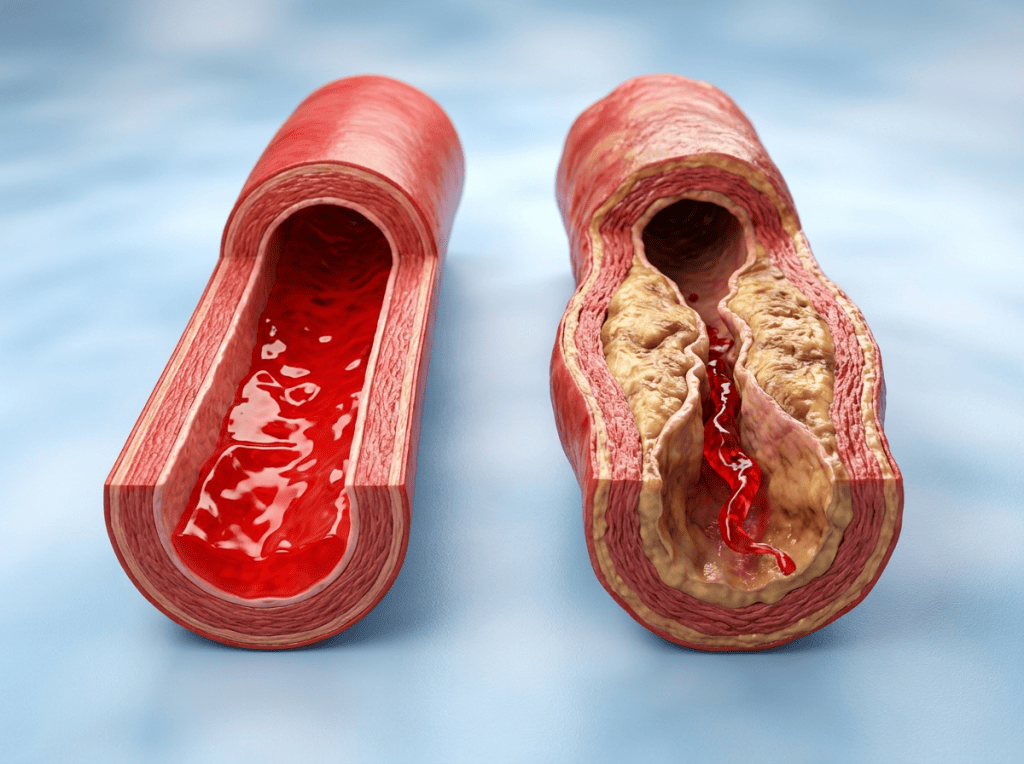
- Saturated fat: Raises cholesterol and heart risks.
- Sugar: Linked to obesity and diabetes.
These foods have more sodium, fat, sugar, and less fiber. This leads to more heart disease, high blood pressure, cancer, and diabetes.
Health risks linked to processed-food diets
Eating too much processed food can shorten your life by 14 percent. This is a big reason to change your diet. Eat more whole foods like fruits, veggies, grains, lean proteins, and healthy fats.
To improve your health, cook at home and check food labels. Making these changes can greatly benefit your health.

2. Smoking cigarettes or using tobacco
Understanding the impact of smoking is key to living longer. Some studies say smoking can cut your life short by a decade. Every year, tobacco kills 7 million people worldwide. This shows how serious smoking is as a cause of death.
How smoking shortens your life
Smoking not only shortens your life but also raises the risk of many health problems. Studies indicate smokers might lose up to 10 years of life compared to non-smokers. Cigarettes harm your lungs, heart, and body, leading to chronic diseases.
The ripple effect on nearly every organ
Smoking affects more than just your lungs. It harms nearly every organ, from your heart to your skin. Cigarette smoke toxins can speed up aging and weaken your immune system. They can even harm your reproductive health. The damage is severe, making quitting vital for your health.
Why quitting at any age is beneficial
It’s never too late to quit smoking. A 50-year British study showed quitting at 30 can add a decade to your life. Quitting at 40, 50, or 60 can add 9, 6, or 3 years, respectively. Quitting at any age brings significant health benefits. Support from nicotine replacement or groups can help you succeed.

3. Sitting for most of the day
In today’s fast world, many sit for long hours. This sedentary lifestyle is as harmful as smoking. It can cause heart disease, obesity, and even early death. Sitting for over eight hours a day can raise your risk of dying by up to 20%.
It’s vital to know the dangers of sitting for most of the day.
The dangers of a sedentary lifestyle
A sedentary lifestyle raises your risk for chronic diseases. Sitting for long periods slows your metabolism. This can cause poor blood circulation and fat storage.
Over time, this can lead to heart disease and diabetes.
How prolonged sitting affects your heart and metabolism
Prolonged sitting harms your metabolism and heart health. Sitting makes your heart work harder to pump blood. This can cause high blood pressure and high cholesterol.
It also makes it harder for your body to control blood sugar. This increases the risk of type 2 diabetes.
Easy ways to add more movement to your day
Fortunately, there are simple ways to mitigate the negative effects of sitting. Add short bursts of activity to your day. Here are some tips:
- Stand or walk during phone calls.
- Take regular breaks to stretch or walk around.
- Aim for at least 15 minutes of moderate exercise daily; this can add up to three years to your life.
You don’t need to run marathons. Small, consistent movement breaks can greatly improve your health and life span.

4. Holding grudges and harboring resentment
Holding onto grudges can harm your mind and body. Anger can take a toll on your health without you noticing. Chronic resentment keeps your body in a state of stress, raising cortisol levels.
This hormone, when high for too long, can cause serious health problems.
The cortisol connection
Stress or anger raises cortisol levels, harming your heart, metabolism, and immune system. Studies show high cortisol is linked to higher mortality rates. Letting go of grudges is key to better health.
How anger and resentment affect your heart
Chronic anger can lead to heart disease, stroke, and high blood pressure. Holding a grudge can cause serious heart problems. The physical effects of anger can be severe, including effects on your lifespan.
Practical ways to let go and move forward
Forgiveness isn’t about excusing bad behavior; it’s about freeing yourself from the effects of anger. Here are ways to let it go:
- Reframe your perspective: Try to see the situation from a different angle.
- Practice empathy: Understand the other person’s viewpoint.
- Journaling: Write down your feelings to process them.
- Seek professional support: A therapist can help guide you through the process.
Forgiveness can lower anxiety and blood pressure and improve lung health. The benefits of letting go grow as you age, leading to a healthier, happier life.

5. Keeping to yourself and avoiding connection
Avoiding social connections can harm your health. Many people don’t realize how much social isolation affects them. It’s not just feeling lonely; social isolation can harm your physical and mental health and increase your risk for premature death. Isolated individuals face higher rates of depression, anxiety, and even heart disease.
The health cost of social isolation
Studies show that those who keep to themselves face serious health risks. Social isolation can lead to:
- Increased levels of stress and anxiety
- Higher chances of developing chronic illnesses
- Greater feelings of loneliness and depression
Research also shows that people with strong social networks live longer. They have a 50% higher chance of living longer than isolated individuals.
How relationships protect your physical and mental health
Strong relationships protect your well-being. They reduce stress, provide emotional support, and encourage healthy behaviors. These connections also boost your immune function, making you less likely to get sick. For example, married individuals often outlive their single friends due to the support they get from their partners.
Building meaningful connections at any age
It’s never too late to make meaningful connections. Here are some ways to expand your social circle:
- Reconnect with family members.
- Join clubs or volunteer organizations.
- Attend community events.
- Nurture existing friendships by staying in touch.
Quality is more important than quantity in relationships. Taking small steps to connect with others can greatly improve your health and happiness.

6. Believing only big changes count
Many think big changes are needed for a healthier life. But this belief can stop you from making progress. Radical lifestyle changes might inspire you, but they can be too hard to keep up.
Trying to change everything at once can lead to burnout. It’s better to make small, steady changes.
Why sweeping lifestyle changes often fail
Big changes can feel overwhelming. This can lead to starting and stopping, causing frustration. Instead, break your goals into smaller steps.
This way, you can improve gradually without feeling stressed. It’s about making small, doable changes.
The power of small, consistent habits
Small, gradual changes are more effective and lasting. Adding veggies to your meals or standing more can make a big difference. These small steps can add up to big health benefits.
A simple framework for steady progress
Start with one tiny habit. Make it part of your routine, then add more. For example, drink water instead of sugary drinks or take a 10-minute walk each day.
Focus on small, achievable goals. This way, you can change your life without feeling overwhelmed. Remember, big changes aren’t always necessary for lasting change.

7. Letting fear or denial keep you from being healthy
Letting fear control your health choices can lead to ignoring important issues. Many people avoid doctor visits because they’re scared of what they might find. This can cause health problems to get worse, even though they could have been treated early.
How avoidance worsens health outcomes
Ignoring health problems won’t make them go away. It usually makes them worse. Skipping doctor visits or ignoring symptoms can lead to late diagnoses of serious diseases. Early detection is vital for improving outcomes for diseases like cancer, heart disease, and diabetes.
Facing health concerns head-on
Knowing your health situation is powerful. By facing your health issues, you can make better choices. Recognizing symptoms and getting help can lead to better health and peace of mind.
Working with your doctor proactively
Take charge of your health. Make sure to get regular check-ups and have questions ready for your doctor. Follow your doctor’s advice and share any concerns you have. Being proactive is not being a hypochondriac; it’s taking care of yourself.

8. Cheating your night’s sleep
Not getting enough sleep can harm your health and shorten your life. Research shows that sleep significantly affects your lifespan. Sleeping too little or too much can lead to serious diseases like heart disease and diabetes.
This is a big worry because not sleeping enough can cause many health problems.
How poor sleep shortens your lifespan
Not sleeping enough messes up your body’s natural rhythms. Inadequate sleep can cause hormonal imbalances and inflammation. It can also mess up how your body handles sugar, leading to diseases.
Studies show that not sleeping well can make you more likely to die early.
The connection between sleep and chronic disease
Sleep is key to staying healthy. Not sleeping well can raise your blood pressure and cause weight gain. Both are risks for chronic diseases.
There’s a clear link between sleep and chronic illness. Getting enough sleep helps regulate hormones and keeps your body functioning properly.
Building a better sleep routine
To sleep better, aim for 7-8 hours each night. Here are some tips:
- Go to bed at the same time every night to keep your body’s clock in sync.
- Stay away from screens for at least an hour before bed to avoid blue light.
- Make your bedroom cool, dark, and quiet for the best sleep.
Remember, sleep is not a luxury; it’s a must for living a long life. Make it a top priority, and your body will be grateful.

9. Living in a constant state of stress
Stress is often called the silent killer of modern society. It can take a serious toll on your body and may accelerate aging. Living in a constant state of stress not only affects your mental well-being but also has profound effects on your physical health. Understanding the implications of chronic stress is essential for improving your quality of life.
How chronic stress accelerates aging
Chronic stress can speed up the aging process at the cellular level. Stress takes its toll on your body by shortening telomeres, which are the protective caps on your chromosomes. When telomeres shorten, it can lead to cellular aging and increase the risk of age-related diseases. This means that managing stress effectively is key to maintaining both your youthfulness and overall health.
The physical toll of long-term stress
Long-term stress can lead to various health issues, including:
- Elevated blood pressure
- Weakened immune system
- Increased inflammation
- Higher risk of heart attacks and strokes
These factors can significantly shorten life expectancy, making it vital to address stress in your life. Recognizing the physical toll of stress can motivate you to take action.
Stress-management techniques that actually work
While you may never completely eliminate stress, you can learn to manage it effectively. Here are some practical techniques that can help:
- Meditation
- Deep breathing exercises
- Yoga
- Journaling
- Spending time in nature
Even just a few minutes of these activities each day can reduce your stress levels and improve your overall quality of life. By taking control of how you respond to stress, you can reclaim your calm and enhance your well-being.
10. Relying on (or blaming) your genes
Genetics do play a role in how long we live, but they don’t control everything. Many think their family history decides their health. But the truth is, our daily choices greatly affect our health and lifespan.
The truth about genetics and longevity
Genetics do affect how long we live, but they’re not the only factor. Studies show that what we eat, how much we exercise, and how we handle stress can significantly affect our health. Instead of blaming our genes, we should make better choices to improve our lives.
How lifestyle influences gene expression
Our lifestyle can change how our genes work through epigenetics. For example, exercising regularly and eating well can turn on good genes and turn off bad ones. Healthy habits also help keep our chromosomes healthy and slow down aging.
Taking ownership of your health
It’s important to take care of our health instead of blaming our family history. We have the power to choose a healthy lifestyle. By focusing on good habits, we can live longer and happier lives.
Conclusion
Healthy habits are key to living a long life and enjoying it more. The 10 unhealthy habits to stop doing if you want to live to 100 are vital. Each small change can greatly improve your health.
Smoking can cut your life short by up to 10 years. Sitting too much can increase your risk of dying early by 20%. But staying connected with friends can make you 50% more likely to live longer. Just 15 minutes of exercise a day can add three years to your life.
You have the power to live longer. Start with one or two changes that feel right to you. Work on eating better, moving more, and handling stress well. These small steps can lead to a happy and healthy life. Remember, the journey to better health starts with today’s choices.





Leave a Reply