

Have you wondered why sugary snacks and salty treats seem to call your name, even when you are not hungry? First, why do you crave it? This question points to biology and psychology, not simple desire. More than 50% of people experience these strong urges regularly, making healthy eating feel nearly impossible.
Learning how to actually reduce them starts with identifying their root cause. Cravings often stem from psychological triggers rather than true physical hunger. They may cause weight gain, binge eating, and food addiction, making a healthy lifestyle harder.
Stopping junk food cravings starts with understanding the fascinating science behind these urges. By recognizing triggers and using practical strategies, you can manage cravings effectively. Knowledge and empowerment support healthier eating habits and choices that protect your well-being.

Key Takeaways
- Cravings are intense desires for specific foods, often driven by psychological factors.
- Over 50% of people regularly experience food cravings, impacting their health and weight.
- Recognizing the difference between hunger and cravings is crucial for making better food choices.
- Understanding the science behind cravings can empower you to manage them effectively.
- Practical strategies can help reduce cravings and promote healthier eating habits.
Why You Crave Junk Food: The Science Behind the Bliss Point
To understand your junk food cravings, explore the science behind the bliss point. The bliss point is the ideal mix of sugar, salt, and fat that makes some foods irresistible. Food manufacturers carefully engineer these mixes to create products that trigger intense pleasure in your brain.
The Bliss Point: Sugar, Salt, and Fat Combined
When you eat junk food, you may feel a quick rush of satisfaction. Junk food is engineered to hit a bliss point of sugar, salt, and fat that triggers a dopamine reward loop. That design tastes good and activates your brain’s reward system, causing dopamine release.
The Dopamine Reward Loop and Repeated Exposure
Each time you eat these highly appealing foods, your brain releases dopamine, reinforcing the behavior. This creates a dopamine reward loop, and repeated exposure strengthens that loop. Over time, your brain links these foods with pleasure, making you crave them more.
Why More Willpower Is Not the Answer
This matters because the fix is not more willpower. It is removing the drivers behind these cravings. Understanding the biology shifts your focus from resisting junk food to addressing its underlying causes.

Everyday Factors That Crank Up Your Cravings
Understanding these factors can help reduce unhealthy snack cravings. On top of that, everyday factors crank cravings up. These include blood sugar spikes and crashes, too little sleep, stress, dehydration, and not enough protein.
Blood Sugar Spikes and Crashes
Refined carbohydrates can cause blood sugar spikes. These spikes give you quick energy, but the crashes that follow often leave you tired and craving more food. This cycle may create a constant need for snacks, especially those high in sugar and fat.
Too Little Sleep and Weakened Impulse Control
Sleep deprivation disrupts the levels of ghrelin and leptin, hormones that regulate hunger and fullness. Without enough sleep, you may feel hungrier and less satisfied after meals.
Studies show sleep-deprived individuals are up to 55% more likely to become obese. Lack of sleep can also weaken impulse control, making junk food harder to resist.
Stress, Dehydration, and Missing Nutrients
Stress makes your body produce more cortisol, which can raise appetite and cause cravings for high-fat, high-sugar comfort foods. Women, in particular, may experience stronger cravings under stress.
Dehydration can often feel like hunger. If you suddenly crave a specific snack, drink a glass of water first. The craving may fade because your body actually needed water.
Constant Cues from Ads and Easy Access
Constant cues from food ads, especially on screens, can trigger cravings for commonly advertised snacks. Grocery stores often place unhealthy foods at eye level, making them hard to resist. When hungry, these easy-access points can prompt impulsive choices that derail healthy eating goals.

How to Stop Craving Junk Food: A Step-by-Step Guide
Use this step-by-step guide to regain control of junk food cravings. Each step helps reduce strong urges and improve eating habits.
Step 1: Stabilize Your Blood Sugar First
Start with blood sugar, the fastest lever. Sugary, refined carb snacks spike it and then crash it, which triggers the next craving. Building meals around protein, fiber-rich carbs, and healthy fats stops the rollercoaster.
- Protein
- Fiber-rich Carbs
- Healthy Fats
Avoid the Refined Carb Rollercoaster
Avoid refined carbs to keep energy steady and curb cravings.
Step 2: Eat Enough Protein at Every Meal
Eat enough protein, the most filling nutrient and one of the strongest craving reducers. Studies show that increasing protein intake can significantly reduce cravings.
How Much Protein You Actually Need
Aim for protein at each meal to keep hunger away.
Easy Protein Sources for Busy Days
Choose these quick protein sources:
- Greek yogurt
- Hard-boiled eggs
- Chicken breast
- Legumes
Step 3: Stop Skipping Meals
Do not skip meals. Skipped or delayed meals crash blood sugar and surge hunger hormones, which is when cravings win. Regular meals help you stay satisfied.
The Hunger Hormone Surge You Don’t See Coming
Hunger hormones may surge without warning, so consistent meals matter.
Step 4: Prioritize Quality Sleep
Prioritize sleep, which is bigger than most people realize. Too little raises hunger hormones, lowers fullness signals, and weakens impulse control, leaving you hungrier and worse at saying no.
How Sleep Raises Hunger Hormones and Lowers Fullness Signals
Too little sleep can increase cravings, especially for high-calorie foods.
Simple Sleep Hygiene Tips That Make a Real Difference
Try these sleep tips:
- Establish a consistent bedtime routine
- Create a sleep-friendly environment
- Limit screen time before bed
Step 5: Manage Stress Without Using Food
Manage stress because cortisol specifically drives cravings for comfort foods. A short walk beats stress snacking and helps you refocus.
Why Cortisol Specifically Drives Comfort Food Cravings
Understanding this link between stress and health can help you choose healthier coping strategies.
Step 6: Reshape Your Food Environment
Fix your environment. Out of sight genuinely is out of mind. Keep trigger foods out of the house to reduce temptation.
Out of Sight Really Is Out of Mind
Make your home healthier by keeping junk food out of reach.
Step 7: Move Your Body When a Craving Hits
When a craving hits, move your body. Physical activity shifts your focus and helps regulate blood sugar.
Step 8: Name Your Emotional Cravings
Name emotional cravings by pausing to ask whether you are hungry or bored, stressed, or tired. Naming it takes away much of its power.
Are You Hungry, or Bored, Stressed, or Tired?
Recognizing the true source of cravings helps you respond more mindfully.

Why Over-Restriction Makes Cravings Worse
If you want to stop craving junk food, remember that over-restriction can make cravings worse. Many people think cutting out certain foods helps them resist, but this approach often backfires.
The forbidden food effect is a psychological phenomenon that helps explain this pattern. When you forbid a food entirely, it becomes more desirable, and cravings intensify. You may think about it constantly, creating deprivation that often ends in a binge.
Traditional dieting often backfires because it emphasizes restriction instead of regulation. If you cut out certain foods for a long time, cravings can become overwhelming. This deprivation cycle can harm your relationship with food and make lasting change seem impossible.
The real goal is stability, not deprivation. Instead of eliminating junk food, aim to reduce your dependence on it. Occasional treats can help you maintain a healthier balance, enjoy your favorite foods without guilt, and follow a more sustainable approach to eating.

The Power of Allowing Occasional Treats
Occasional treats can transform your relationship with food. Rather than calling foods forbidden, enjoy them in moderation. This mindset can reduce cravings and make a balanced diet easier to maintain.
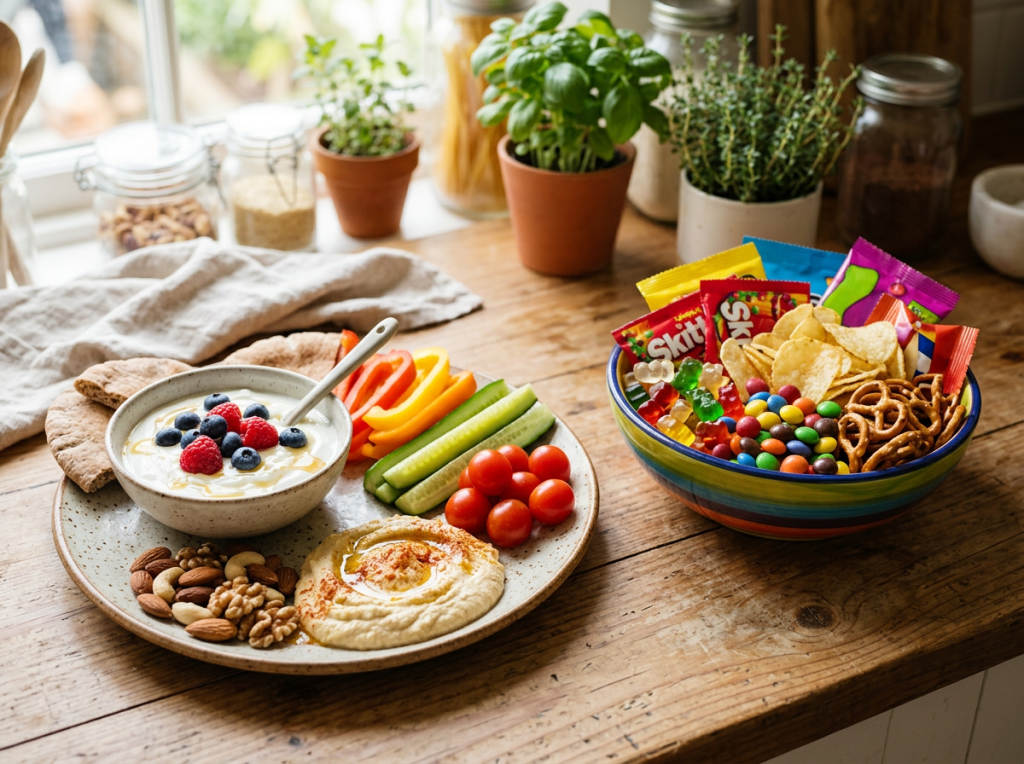
Gradual swaps beat overnight bans. This helps you replace less healthy foods without feeling deprived. Try roasted chickpeas instead of chips, or frozen grapes and a protein-packed yogurt bowl for sweet cravings and nutritional benefits.

For carbohydrates, swap refined rice for brown rice. This simple change increases fiber intake and provides whole-grain benefits. Also replace high-saturated-fat foods, such as processed snacks or full-fat dairy, with nuts, seeds, or low-fat dairy.
Outsmarting cravings means giving your body and brain better options, not practicing deprivation. You do not need a perfect diet or flawless willpower to overcome cravings. Use the right tools, a bit of self-awareness, and a plan tailored to your lifestyle.
Practice mindfulness while enjoying treats by savoring each bite and noticing your feelings without guilt. Remember, allowing yourself the occasional treat, on purpose and without guilt, actually makes cravings easier to manage. Mindfulness, routine, and self-compassion help more than restriction.
What to Expect: A Realistic Timeline
Give it time: cravings do not vanish overnight, but they fade. As you choose healthier foods, cravings often fade slowly instead of vanishing at once. This understanding can help you manage cravings more effectively.
At first, cravings may feel intense, but they often pass quickly when you do not act on them. Distraction techniques can help, such as reading a book, calling a friend, or taking a walk. These activities give you space to think carefully about your food choices.

As you use the strategies in this article, cravings will begin to fade. During the first few days, steady blood sugar and sufficient protein can greatly reduce the urgency of cravings. Within a few weeks, the dopamine reward loop starts to weaken as you limit exposure to hyperpalatable foods.
After a few months, your taste preferences may change. Junk food may taste too sweet or salty, making it easier to resist. Remember, long-term success comes from realistic, repeatable steps, not drastic changes.
Ultimately, give it time. Your body and brain need time to adapt to healthier choices. By staying consistent and patient, you can build lasting success.
Quick-Reference Checklist for Tough Moments
Facing cravings? Use this quick-reference checklist to handle tough moments. When junk food calls, a plan can help you regain control. Try these craving control strategies:
- Drink Water: Start by drinking a large glass of water. Often, thirst can be mistaken for hunger. Wait a few minutes to see if the craving fades.
- Change Your Environment: Distance yourself from the source of the craving. Take a brisk walk, enjoy a shower, or simply change your surroundings to shift your focus.
- Chew Gum: Chewing gum can help reduce appetite and distract you from cravings.
- Practice Deep Breathing: Engage in deep breathing or meditation to calm your mind and reduce stress, which can trigger cravings.
- Engage in Hobbies: Redirect your focus with activities such as reading, painting, or gardening.
- Keep Healthy Snacks Handy: Stock your home with healthy options like nuts, fruits, or yogurt. This way, when true hunger strikes, you have nutritious choices available.
- Name Your Emotion: Pause and reflect. Are you truly hungry, or are you bored, stressed, or tired? Understanding your emotions can help you respond more thoughtfully.
Learning how to stop craving junk food starts with mindful eating. Slow down and tell cravings apart from real physical hunger. Use this checklist during tough moments to make healthier choices.

Conclusion
Cravings affect over 50% of people regularly. Learning how to curb junk food cravings can help you choose healthier foods. Notice cravings and their triggers first to build control over them and guide your eating habits.
Eating enough protein, planning meals, and practicing mindfulness can improve your health today. A sustainable lifestyle change does not require perfection or flawless willpower. Use the right tools, self-awareness, and a personal plan to overcome cravings.
Cravings come from biology, emotions, and environmental cues, not personal weakness. Behavioral strategies can help regulate these urges without resorting to extreme diets. Focus on mindfulness, routine, and self-compassion instead of restriction.
Professional help is available if you need it. This support can be crucial for achieving real, lasting change. Start small, stay curious, and build habits over time to reshape your relationship with food.
With determination and the right approach, you can enjoy a healthier lifestyle.

 trim down and shape up
Leave a comment