


Your feet can reveal important clues about your circulation, heart, and nerve health. Learn which foot changes you shouldn’t ignore.
You probably don’t think much about your feet when you think about your heart, blood circulation, or nerve health. After all, your feet spend most of the day carrying you around without demanding much attention.
But your feet can sometimes tell you more about your overall health than you might realize.
Changes such as cold feet, numbness, tingling, swelling, skin changes, or slow-healing sores can occasionally be warning signs of an underlying problem involving your circulation, nerves, blood sugar, kidneys, or heart.
In the United States, approximately 130,000 of the roughly 200,000 lower-limb amputations performed each year involve people with diabetes, according to the National Institute of Diabetes and Digestive and Kidney Diseases. Many serious foot problems begin with relatively small changes that can easily be overlooked.
The encouraging news is that many underlying conditions can be managed more effectively when you recognize the warning signs early.
So, what should you watch for?
1. Cold or Discolored Toes May Signal Poor Circulation
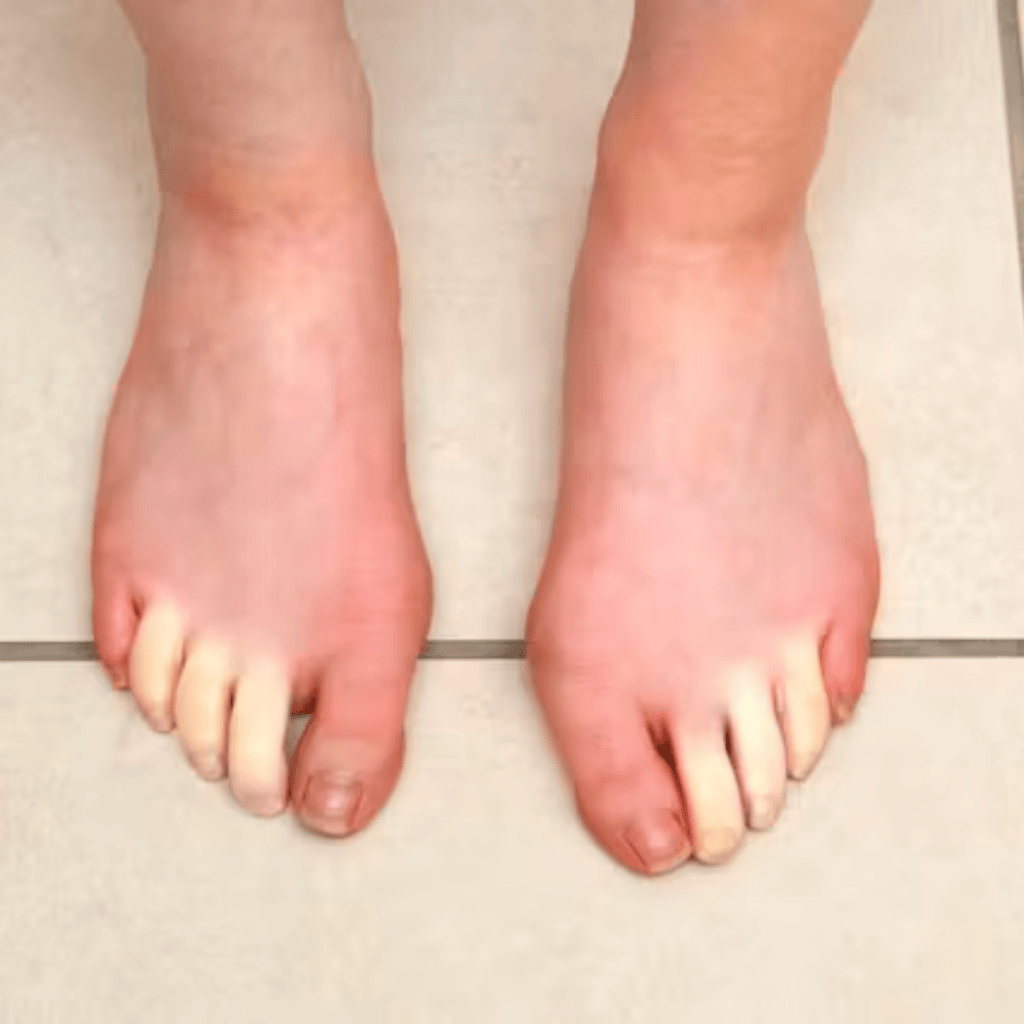
If your feet are constantly cold, don’t automatically assume you’re simply someone who “runs cold.” Pay particular attention if one foot feels noticeably colder than the other.
Persistent coldness can sometimes indicate reduced blood flow caused by narrowed arteries. One possible cause is peripheral artery disease (PAD), a condition that develops when plaque builds up in the arteries, restricting circulation to your legs and feet.
According to the National Heart, Lung, and Blood Institute, PAD can cause one foot to feel colder than the other. Your foot or leg may also become pale, discolored, or blue.
You may also notice other changes, including:
- Pale, blue, or unusually dark skin
- Weak pulses in your feet
- Leg pain when walking
- Slower-growing toenails
- Less hair growth on your legs or feet
- Feet that feel unusually cool
A sudden and severe change in the color or temperature of one foot can be especially concerning because an abrupt blockage can seriously restrict blood flow.
Smoking and diabetes are important risk factors for peripheral artery disease, so it’s especially important to pay attention to changes in your feet if either applies to you.
2. Tingling, Numbness, or Burning Can Point to Nerve Damage

Do your feet sometimes feel like they’re asleep? Maybe you experience pins and needles, burning, or a strange loss of sensation in your toes.
These symptoms can have several causes, but persistent tingling, numbness, or burning feet can be a sign of nerve damage.
One common cause is diabetic peripheral neuropathy, which can develop after prolonged exposure to high blood sugar levels.
You might notice:
- Numbness in your toes or feet
- Pins-and-needles sensations
- Burning or aching pain
- Sharp or shooting pain
- Increased sensitivity to touch
- Symptoms that become worse at night
The problem isn’t simply that these symptoms can be uncomfortable.
When nerve damage reduces your ability to feel pain, heat, or cold, you may not realize you’ve injured your foot. A small blister, cut, burn, or sore can go unnoticed and eventually become infected.
That’s why foot care is particularly important if you have diabetes.
If you’ve developed persistent numbness or tingling in your feet, don’t ignore it. Talk with your healthcare professional about possible causes.
3. Extremely Dry or Cracked Feet May Be More Than a Skin Problem
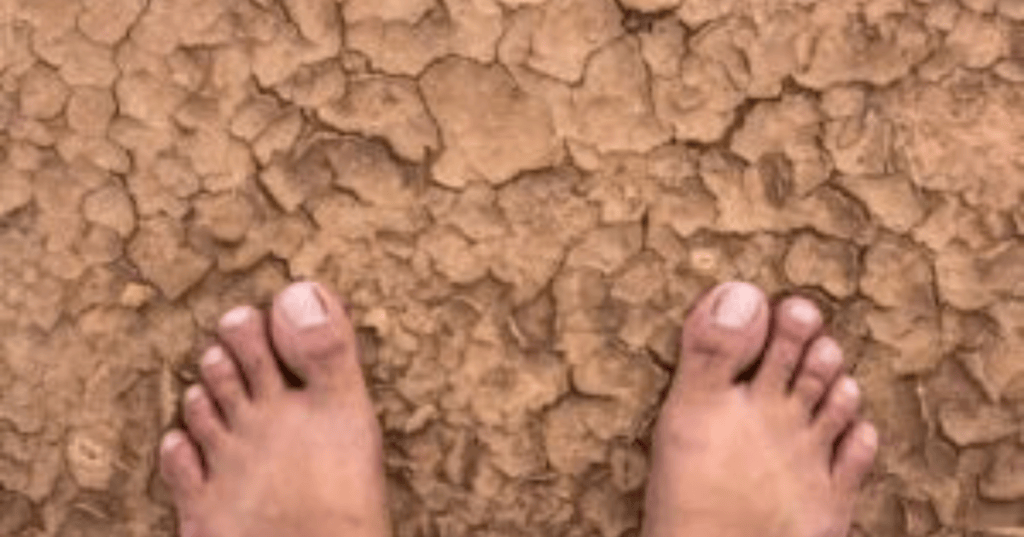
Dry feet are common, particularly during colder months. But if your feet suddenly become extremely dry, flaky, or cracked, there may be more going on than a lack of moisturizer.
Nerve damage can interfere with the nerves that control your sweat glands. As a result, your feet may produce less moisture, leaving your skin unusually dry.
Those cracks aren’t just a cosmetic issue.
When the skin breaks open, bacteria and fungi have an easier way into your body. If you have diabetes or reduced circulation, an infection may be more difficult for your body to fight.
You can help protect your feet by checking your skin regularly and using an appropriate moisturizer to prevent excessive dryness. Avoid applying moisturizer between your toes, where excess moisture can encourage fungal growth.
4. A Foot Sore That Won’t Heal Needs Attention

A small cut or blister usually shouldn’t become a major problem. But what happens when a foot wound simply refuses to heal?
A slow-healing sore or foot ulcer can be an important warning sign.
Poor circulation can prevent your feet from receiving enough oxygen and nutrients to repair damaged tissue. Nerve damage can create another problem: you may not feel the injury in the first place.
Foot ulcers are particularly common among people with diabetes. They often develop on pressure points such as the ball of the foot or beneath the big toe.
You shouldn’t wait weeks hoping a persistent foot sore will eventually disappear.
If you have a wound that isn’t healing normally, particularly if you have diabetes, poor circulation, or nerve problems, have it evaluated by a healthcare professional.
Why Foot Ulcers Can Become Serious
An untreated foot ulcer can become infected. In severe cases, infection can spread into deeper tissues and bone, potentially resulting in serious complications, including limb loss.
That’s why an apparently minor foot problem deserves attention when it doesn’t heal as expected.
5. Swollen Feet and Ankles Can Have Several Causes
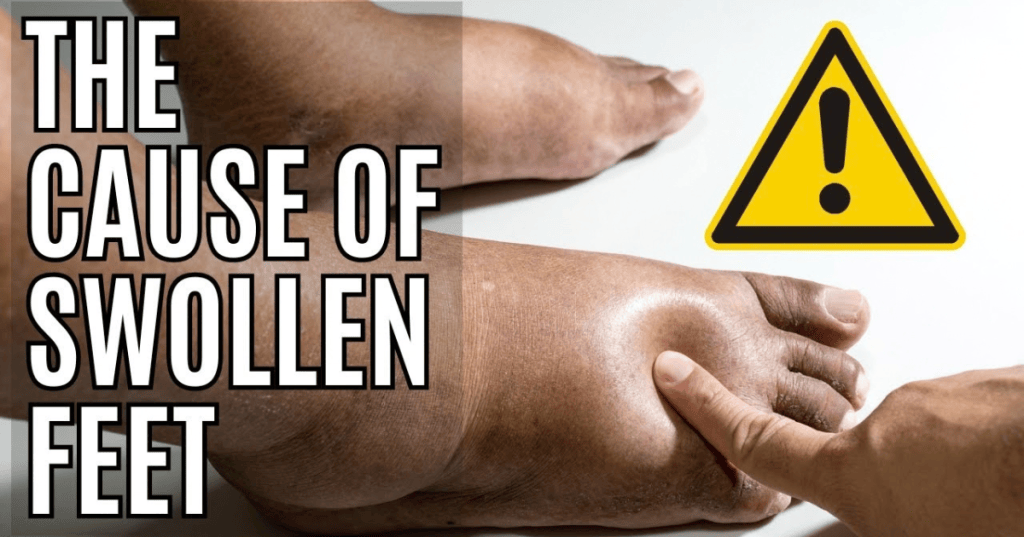
Have you ever noticed that your shoes feel tighter at the end of the day?
Occasional swelling in your feet and ankles can occur after you’ve spent hours standing, traveled by plane, eaten a particularly salty meal, or spent time in hot weather.
But persistent swelling in your feet or ankles deserves more attention.
Edema, or fluid buildup, can have many possible causes. Kidney problems can cause your body to retain excess fluid. Swelling can also occur with certain heart conditions, including heart failure, when the heart isn’t pumping blood effectively enough to meet the body’s needs.
Other possible causes include:
- Certain medications
- Venous insufficiency
- Kidney disease
- Heart conditions
- Liver disease
- Prolonged sitting or standing
- High-sodium diets
The important point is that you shouldn’t automatically assume persistent swelling is harmless.
If your feet or ankles remain swollen without an obvious explanation, talk with your healthcare provider about what’s causing it.
Your Feet Can Provide Valuable Health Clues
Your feet aren’t a perfect window into your overall health, and a single symptom doesn’t necessarily mean you have heart disease, diabetes, poor circulation, or nerve damage.
However, persistent or unusual changes in your feet can provide valuable clues.
Pay attention if you notice:
- One foot suddenly becoming colder than the other
- Blue, pale, or unusually dark toes
- Persistent numbness or tingling
- Burning or shooting foot pain
- Extremely dry or cracked skin
- A blister, cut, or sore that won’t heal
- Unexplained swelling in your feet or ankles
- Changes in toenail or hair growth
- Leg or foot pain when walking
You don’t need to become obsessed with checking your feet. But developing the habit of paying attention to changes can help you recognize potential problems before they become more serious.
When Should You See a Doctor?
Some foot symptoms can wait for a routine appointment, while others deserve prompt medical attention.
If a foot change appears suddenly, persists, gets worse, or affects only one foot, it’s worth discussing with a healthcare professional.
Seek prompt medical attention for a foot that suddenly becomes very cold, pale, blue, or severely painful. You should also have persistent sores, significant swelling, or signs of infection evaluated.
If you have diabetes, make daily foot checks part of your routine. Look for blisters, cuts, cracks, redness, swelling, color changes, and other unusual changes.
The Bottom Line: Don’t Ignore What Your Feet Are Telling You
Your feet may not be the first place you think to look when you’re concerned about your health, but they can provide important clues about circulation, nerve health, blood sugar, kidney function, and cardiovascular health.
A little numbness might seem easy to dismiss. A cold toe may not seem important. And a small blister might appear harmless.
But when something changes and doesn’t return to normal, it’s worth paying attention.
Your feet work hard for you every day. Give them a little attention in return. Regular foot checks and timely medical care can help you identify potential problems early and protect your mobility and overall health.
FAQ Section
Can your feet show signs of heart problems?
Your feet can sometimes show changes associated with conditions that affect circulation or fluid balance. Persistent swelling, unusual coldness, or changes in skin color can have several possible causes, including vascular or cardiovascular conditions. These symptoms aren’t diagnostic by themselves, so persistent or sudden changes should be evaluated by a healthcare professional.
What do cold feet say about your health?
Cold feet can have many causes, including cold temperatures and normal differences in circulation. However, persistently cold feet—particularly when one foot is colder than the other—can sometimes be associated with reduced blood flow or peripheral artery disease.
Can poor circulation cause numbness in your feet?
Yes. Reduced blood flow can contribute to symptoms such as numbness or pain, although numbness and tingling can also result from nerve problems such as diabetic peripheral neuropathy. Persistent numbness should be discussed with a healthcare professional.
Why are my feet numb and tingling?
Numbness and tingling in your feet can have numerous causes, including nerve compression, diabetes-related nerve damage, vitamin deficiencies, certain medications, and circulation problems. If the symptoms persist or worsen, medical evaluation can help identify the underlying cause.
Why won’t a sore on my foot heal?
A slow-healing foot sore can be associated with poor circulation, diabetes, nerve damage, infection, or other health conditions. If a foot wound isn’t healing normally, particularly if you have diabetes, you should have it evaluated by a healthcare professional.
Are swollen feet a sign of heart problems?
Swollen feet and ankles can occur with heart failure, but swelling has many other possible causes. Medications, prolonged standing, kidney problems, venous problems, and other conditions can also cause swelling. Persistent or unexplained swelling deserves medical attention.
How often should you check your feet if you have diabetes?
The American Diabetes Association recommends that people with diabetes check their feet regularly, including looking for cuts, blisters, redness, swelling, cracks, and other changes. Follow your healthcare professional’s recommendations for your individual foot-care routine.




Leave a comment