

Have you wondered how your daily meals affect your heart health? Understanding your food choices can help protect your heart over time.
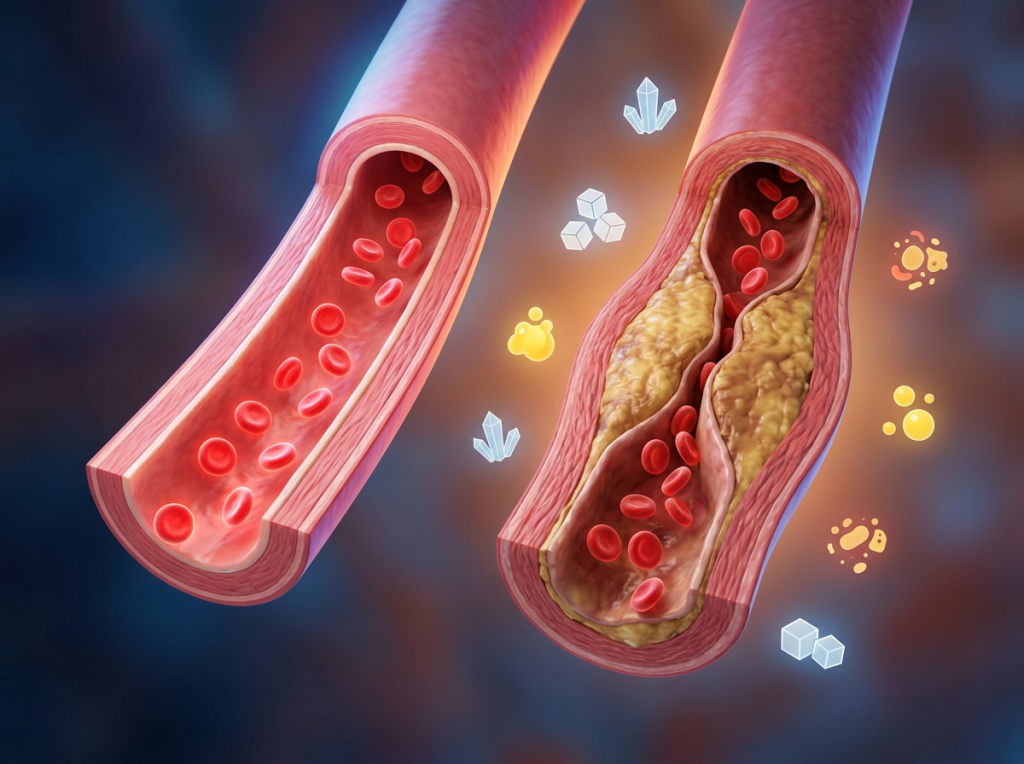
Some favorite treats can contribute to arterial clogging, also called atherosclerosis. Atherosclerosis often develops silently, without noticeable symptoms, as plaque builds over time. Your food choices can promote this condition or help keep your arteries clear.
According to cardiologists, foods most strongly linked to clogged arteries are high in saturated fat, added sugars, and excess sodium. Artificial trans fats are less strongly linked today. These include fatty cuts of red meat, processed meats, full-fat cheese, fried foods, sugary drinks, and heavily salted packaged snacks.

This article explains which foods to watch and offers practical tips for healthier alternatives. Learning what to limit helps you take proactive steps toward a healthier heart.
Key Takeaways
- Certain foods can contribute to arterial clogging over time.
- High saturated fats, sugars, and sodium are key culprits.
- Common offenders include processed meats and sugary drinks.
- Occasional indulgence is fine, but moderation is essential.
- Making informed food choices can help maintain heart health.
How Arterial Clogging Actually Happens
Atherosclerosis can begin in childhood and develops slowly. It starts when LDL cholesterol particles slip through the inner lining of an artery and get trapped in the wall. This process unfolds over decades and can cause serious health problems.
Once stuck, those particles are chemically modified by oxidation and enzymes, which causes them to clump together. Your immune system sees these clumps as threats and sends white blood cells to engulf them. These cells can become engorged, turning into foam cells that accumulate in the arterial wall.
Over time, calcium deposits harden the area, while a fibrous cap forms over the growing plaque. The artery narrows and stiffens, restricting blood flow. This narrowing can lead to heart attacks or strokes.
The foods you eat influence every step of this process. For instance, saturated fat increases LDL particles in your blood, providing more material for plaque formation. Added sugars and refined carbohydrates increase oxidation and inflammation, making LDL particles more likely to become trapped and modified.
Excess sodium can also damage the artery lining, creating entry points for cholesterol. Understanding this cascade explains why cardiologists emphasize dietary patterns over individual nutrients. It highlights the importance of everyday foods that support arterial health.

Saturated Fat: The Primary Driver
Saturated fat affects artery health and can raise LDL cholesterol. Research shows that saturated fat is the single most well-established dietary driver of elevated LDL cholesterol. Too much may build plaque in arteries and raise heart disease risk.
Health experts recommend limiting saturated fat to less than 7% of daily calories. For a 2,000-calorie diet, this amounts to about 15 grams per day. Experts warn: “Saturated fat is a main dietary culprit in the buildup of plaque in the arteries,” Watching your intake supports heart health.
Foods high in saturated fat include whole milk, cream, butter, and high-fat cheese. Processed meats and oils, including palm and coconut oil, may hide in packaged snacks and “healthful” energy bars. Your body needs some fat for hormone production and nutrient absorption, so moderation matters.

Choose lean cuts of meat, such as round, sirloin, or loin. Removing poultry skin before cooking can also lower saturated fat intake.
Choose 1% or fat-free milk instead of whole milk. Replacing butter with olive oil or vegetable oil-based spreads may also support heart health.
When reading nutrition labels, check saturated fat, not only total fat, and multiply it by servings eaten. Small swaps, like replacing sandwich cheese with avocado or sour cream with Greek yogurt, can lower LDL cholesterol over time.
Proactive food choices can protect your heart and help maintain healthy arteries. Do not eliminate saturated fat; keep it in check for better overall health.
Processed and Red Meat: A Double Risk
Processed and red meats pose a significant threat to your cardiovascular health. These foods, including processed meats like bacon, sausage, hot dogs, and deli meats, carry a double risk. They’re typically high in saturated fat, which can raise low-density lipoprotein (LDL), often called “bad cholesterol.”
This increase can greatly raise your chances of a heart attack or stroke.
These meats also contain large amounts of compounds (choline and L-carnitine). Gut bacteria convert these compounds into a molecule called TMAO (trimethylamine N-oxide).
Research has shown that TMAO makes cholesterol more likely to stick to artery walls and increases platelet reactivity. This raises your risk of blood clots.
Red meats, including beef, veal, lamb, and even pork, are also high in cholesterol and saturated fat. Cardiologists from Brown University Health caution that pork is often marketed as “the other white meat.” Although pork has this label, it belongs firmly in the red-meat category for heart risk.
The solution isn’t to become fully vegetarian overnight. Instead, consider how often these foods appear on your plate. If you choose red meat, choose lean cuts like round, sirloin, or extra-lean ground beef.
Keep portions to about the size of a deck of cards.
For processed meats, there is no truly heart-healthy version. Even turkey bacon and low-sodium deli turkey contain preservatives and sodium that can harm your arteries. Reserve bacon for a weekend breakfast treat and enjoy a hot dog at the ballpark.
Instead, make fresh poultry, fish, seafood, tofu, lentils, chickpeas, and black beans your everyday protein sources.

Added Sugars and Refined Carbohydrates
Sugar doesn’t contain any fat or cholesterol, yet it’s a significant contributor to clogged arteries. Added sugars and refined carbohydrates can quietly harm arterial health.
Fructose, the type of sugar found in table sugar, high-fructose corn syrup, and sweetened beverages, increases levels of oxidized LDL. This oxidized LDL gets trapped in artery walls, causing inflammation and other serious health issues.
Refined carbohydrates, such as white bread, pasta, and baked goods made from white flour, act similarly. They lack the fiber, vitamins, and minerals found in whole grains. Your body quickly turns them into glucose, causing spikes in blood sugar and insulin.
Over time, this process promotes belly fat, raises triglycerides, and increases inflammation throughout your body, including your arteries. One can of regular soda contains more added sugar than experts recommend for an entire day. Many flavored yogurts, breakfast cereals, energy bars, and even “healthy” muffins often contain hidden sugars.
To protect your arteries, choose water, seltzer, or unsweetened tea as your go-to beverages. For something sweet, choose whole fruits because their fiber slows sugar absorption. Swap half the white flour for whole-wheat flour, cut sugar one-third, and replace butter or shortening with liquid plant oils.

High-Sodium Foods: Damage Beyond Blood Pressure
Many people overlook how high-sodium foods affect heart health. Salt contributes to arterial clogging in ways that go well beyond raising blood pressure. even in people with normal blood pressure, excess sodium directly damages the protective inner coating of arteries called the glycocalyx..
When you eat high-sodium foods, sodium levels in your blood rise. This spike directly damages the glycocalyx, a delicate layer lining your arteries. It blocks harmful substances, such as LDL cholesterol, from entering artery walls, but high sodium thins it.
Repeated exposure to high sodium can create microscopic gaps in the glycocalyx. These gaps allow cholesterol particles to pass through, leading to plaque formation and arterial clogging. The main offenders include heavily processed foods, not just table salt.
Common sources of high sodium include:
- Canned soups
- Frozen pizzas
- Deli meats
- Packaged snacks
- Fast food
A single can of soup can contain over 1,000 milligrams of sodium, nearly half the daily recommended limit. Protect your arteries by cooking with fresh herbs, garlic, lemon juice, and spices instead of salt. Compare food labels and choose packaged foods with less sodium.
Even foods that do not taste salty, such as bread and breakfast cereals, may contain hidden sodium. Rinsing canned beans and vegetables can reduce excess salt intake. Monitoring your sodium intake can reduce the risk of arterial damage and improve heart health.

Trans Fats: Mostly Gone but Not Entirely
Trans fats once appeared in many processed foods, but their presence has greatly declined. Artificial trans fats were once the most potent artery-clogging ingredient in the food supply. They were simultaneously raising LDL cholesterol and lowering protective HDL cholesterol.
Trans fats mainly appear in foods containing partially hydrogenated oils. Manufacturers create these artificial fats through partial hydrogenation. These oils improve texture, taste, and shelf life, which appeals to manufacturers.
- Margarine and shortening
- Fried fast foods
- Microwave popcorn
- Frozen pizza
- Baked goods like cakes and cookies
In 2015, the FDA said partially hydrogenated oils were no longer “generally recognized as safe.” Manufacturers then had to phase them out. However, trans fats are mostly gone, but not entirely eliminated, from some imported packaged foods and from certain restaurant fryers that have not switched oils.
When shopping, read ingredient labels carefully. A product can claim “0 grams trans fat” if it contains less than 0.5 grams per serving. Always check for “partially hydrogenated” in the ingredient list; put the product back if you see it.
When dining out, choose steamed, baked, broiled, or grilled dishes instead of fried foods. At home, cook with liquid oils such as olive, canola, or avocado oil. This lets you enjoy flavorful meals while avoiding harmful trans fats.
Everyday Foods That May Clog Your Arteries, According to Cardiologists
Knowing which foods may clog arteries helps protect heart health. Cardiologists often suggest limiting certain everyday foods.
Fatty Cuts of Red Meat
Fatty cuts of red meat, such as ribeye, T-bone, and prime rib, contain high amounts of saturated fat. An 8-ounce ribeye can contain more than a full day’s saturated fat. Eating these meats often can raise low-density lipoprotein (LDL), or bad cholesterol, and increase the risk of heart disease.
Processed Meats (Bacon, Sausage, Hot Dogs, Deli Meats)
Processed meats, including bacon, sausage, hot dogs, and deli meats, may pose an even greater risk. They combine saturated fat, high sodium levels, and preservatives such as nitrates. Studies link these ingredients to heart disease and stroke, making these foods risky for your arteries.
Full-Fat Cheese
Full-fat cheese may also harm heart health. Just two ounces of cheddar cheese provide about 12 grams of saturated fat, nearly your daily limit. Cheese can fit a balanced diet, but eat it in moderation.
Fried Foods
Fried foods, including French fries and fried chicken, often use oils that may still contain trans fats. They add extra calories and sodium, which can harm your cardiovascular system. Eating fewer fried foods can greatly benefit your overall health.
Sugary Drinks
Sugary drinks, such as soda, sweetened tea, and energy drinks, can flood your bloodstream with fructose. Fructose may increase oxidized LDL and triglycerides, which can harm your arteries. Choosing water or unsweetened drinks may lower these risks.
Heavily Salted Packaged Snacks
Heavily salted packaged snacks, like potato chips, nacho chips, and pretzels, contain refined carbohydrates, saturated fat, and sodium. Together, these ingredients threaten your arteries. Limiting these snacks can greatly improve heart health.
What About Eggs and Dietary Cholesterol?
You may ask: what about eggs and dietary cholesterol? For decades, cholesterol-rich foods like eggs and shrimp were blamed for clogging arteries. However, that advice has been substantially revised.
Current research shows that dietary cholesterol affects blood cholesterol levels less than saturated and trans fats do. Most healthy people can eat up to one egg daily without raising heart disease risk. If you have diabetes or existing heart disease, ask your doctor for personal advice.
Remember, moderation matters with these foods. An occasional indulgence, such as a steak or bacon breakfast, will not usually harm you. However, making these foods daily staples can cause serious health problems.
Foods That Help Keep Arteries Clear
Your food choices play a key role in keeping your arteries healthy and clear. Many foods that help keep arteries clear are tasty and widely available. They are easy to enjoy every day.
Soluble Fiber-Rich Foods
Soluble fiber helps prevent arterial clogging and is found in oats, beans, lentils, barley, apples, and citrus fruits. Soluble fiber binds to cholesterol in the digestive tract and carries it out of the body before it can be absorbed. It acts like a sponge, soaking up LDL cholesterol and escorting it out through your stool.
- Oats: Start your day with a warm bowl of oatmeal.
- Beans and Lentils: Add these to soups and salads for a nutritious boost.
- Barley: A hearty grain that works well in a variety of dishes.
- Apples and Citrus Fruits: Snack on these for a refreshing treat.
Unsaturated Fats
Unsaturated fats from olive oil, nuts, avocados, and fatty fish have the opposite effect on LDL particles compared with saturated fats. They lower LDL while maintaining or even raising protective HDL. Add these healthy fats to your diet.
- Olive Oil: Use it as your primary cooking fat.
- Nuts: Sprinkle a handful on yogurt or salads.
- Avocados: Mash them on whole-grain toast for a satisfying spread.
- Fatty Fish: Aim for two servings per week of salmon, mackerel, or sardines.
Antioxidant-Rich Plant Foods
Vegetables, fruits, whole grains, and legumes also provide antioxidants and anti-inflammatory compounds. These compounds protect the artery lining from the damage that initiates plaque formation. Consider these options:
- Vegetables: Leafy greens and colorful veggies are packed with nutrients.
- Fruits: Berries and citrus fruits are rich in antioxidants.
- Whole Grains: Choose brown rice, quinoa, and whole-wheat products.
- Legumes: Chickpeas, lentils, and black beans are excellent protein sources.
When you choose these foods often, you actively repair and protect your arteries. Build every meal around a colorful plate to boost nutrients and support cardiovascular health.
Conclusion
Understanding your food choices is crucial for heart health. Everyday Foods That May Clog Your Arteries, According to Cardiologists include fatty cuts of red meat. They also include processed meats, full-fat cheese, fried foods, sugary drinks, and heavily salted snacks.
You can enjoy these foods sometimes, but they should not become staples of your diet.
Focus on adding heart-healthy foods to your meals. Soluble fiber from oats, beans, and fruits can support your cardiovascular system. Olive oil, nuts, and fatty fish provide helpful unsaturated fats.
Colorful vegetables and whole grains add nutrients that support healthy arteries.
One meal will not determine your heart health. Your overall eating pattern matters more. If you choose less healthy foods, return to nutritious habits at your next meal.
Combine these changes with exercise, stress management, and adequate sleep to support optimal heart function.
Your heart works tirelessly, beating around 100,000 times each day. By making informed choices, you improve the quality of blood flowing through your arteries. Prioritize heart health today for a healthier tomorrow.




Leave a comment