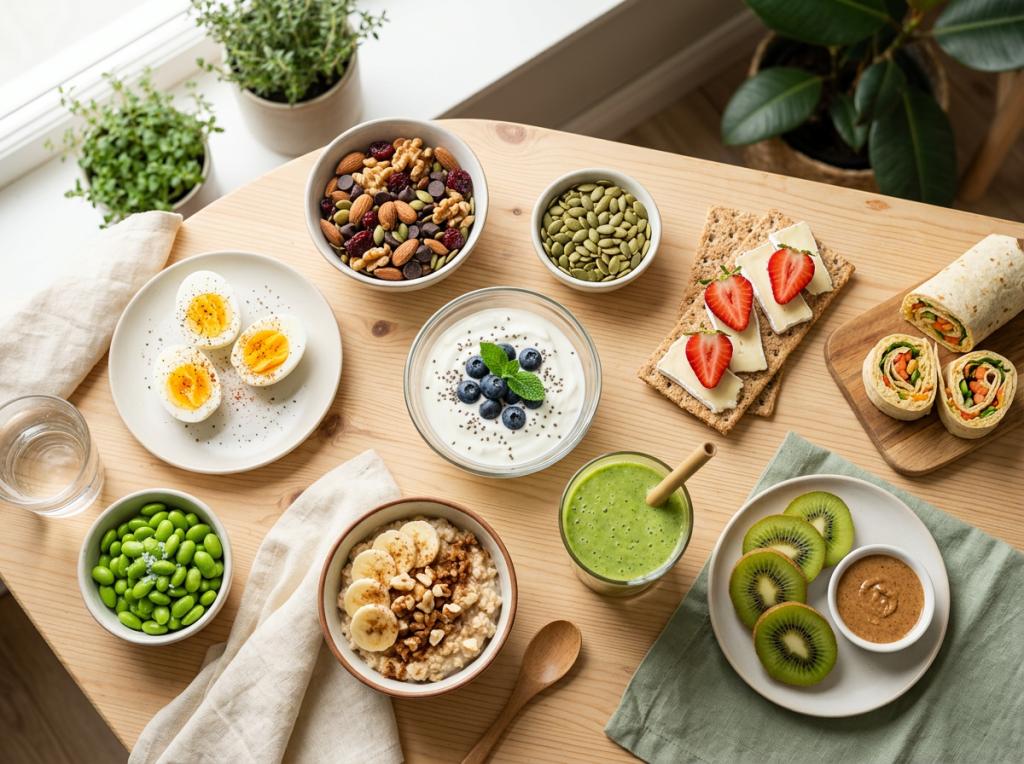


A birthday does not suddenly change which foods your body can eat, but it can be a useful prompt to check whether your everyday choices are satisfying and varied. What should change when you turn 35? Usually, there is no special snack rule to follow.
Calorie density means the number of calories in a given amount of food, a useful measure when comparing snack portions. Protein, fiber, fruit, and whole grains can help you build snacks that suit your appetite and the rest of your day.
Collagen naturally begins to decline in the body around age 35, and your body needs vitamin C to make it. That is a general nutrition point, not a promise that a certain snack will change how you look or feel.

Key Takeaways
- Turning 35 does not create a universal snack prescription or calorie target.
- Compare portions by calorie density and consider protein, fiber, and variety.
- Choose combinations that fit your appetite, preferences, and daily needs.
- Vitamin C helps your body make collagen, but food is not a guaranteed result.
- Start with one or two snacks you can keep ready for a busy day.
Use the ideas below as flexible combinations rather than rules. Adjust each one to your hunger and daily needs, starting with a simple bowl of yogurt and fruit.
12 Snacks You Need to Eat After Turning 35: Greek Yogurt With Berries
A bowl of plain Greek yogurt topped with blueberries gives you a simple protein-and-fruit combination. It works when you want a snack that’s high in protein and calcium, and includes fruit, without a long prep time.
A 6-ounce (170-gram) container of plain, nonfat Greek yogurt has 104 calories, and 1/2 cup (75 grams) of blueberries adds 43 calories. Your calorie needs vary, so treat those numbers as a guide to this serving, not a daily target. Plain yogurt also gives you more control over added sugar than many flavored choices.
Plain Greek yogurt and blueberries make a measured snack with protein, calcium, and fruit. Your calorie needs still depend on your own day.
Start With Plain Greek Yogurt
Greek yogurt is the protein- and calcium-rich base of this snack. Its thick texture can make a small bowl feel substantial, and it is easy to portion before adding toppings.
Read the label if you choose a flavored cup. Some varieties add sugar, and the amount can differ by brand and flavor. Plain, nonfat Greek yogurt lets you decide whether you want a touch of sweetness from fruit or another topping.
Add Blueberries for Fruit and Fiber
Blueberries add fruit and fiber, along with color and a fresh, mildly sweet taste. You can use fresh or frozen berries; let frozen ones thaw briefly if you prefer a softer topping.
Stir them in, or leave them on top for a mix of creamy and juicy bites. The snack can also suit an early breakfast or an afternoon break, depending on your routine.
Try the plain base before choosing a topping, then decide on the flavor and texture you want.
A Measured Trail Mix Portion Makes a Convenient Crunchy Snack
Trail mix travels well, but a few extra pinches can turn a small snack into a much larger portion. A measured serving makes it easier to keep track of calories while still enjoying a crunchy mix.
A 1/4-cup (38-gram) serving of trail mix averages 173 calories. Ingredients such as nuts and dried fruit are generally calorie-dense, so a handful is not a consistent serving. Portion first, especially if you tend to snack while working or traveling.

You can build a mix with a few ingredients you enjoy:
- Walnuts for a rich, soft crunch.
- Almonds for a firmer bite.
- Dried cranberries for a tart, chewy note.
- Unsweetened dried fruit for sweetness without added sugar.
Nuts supply healthy fats, but trail mixes vary in calories, salt, and added sugar. Check the package label if you buy a ready-made blend, since a sweet coating or salty seasoning can change what is in each serving.
Some packages list a serving size in ounces or grams rather than cups. Use the amount on the label, or portion a serving into a small container at home. That gives you a clear stopping point instead of relying on a loose handful.
A large bag can make it easy to eat more than you planned, especially when you snack straight from the package. Pour one serving into a small container before leaving home, and put the larger bag away.
This approach is useful for other calorie-dense foods, too. A little planning keeps a convenient snack manageable without turning it into a strict rule about what you can eat.
Pre-portion calorie-dense foods before you settle in to eat. When you want something warm and spoonable instead, a small bowl of oats offers a different kind of snack.
Warm Oatmeal Offers a Whole-Grain Snack You Can Customize
A small bowl of cooked oats is an easy choice when you want something warm instead of another handful of packaged food. Oatmeal gives you whole grains and fiber in a snack you can make plain or dress up.
A 3/4-cup (175-gram) serving of cooked oatmeal made with water averages 124 calories. The amount is a starting point, not a fixed rule for every appetite. Cooked oats are soft and mild, so a small bowl can take on sweet or savory flavors.

Make a Small Bowl of Oats
Cook oats in water for a basic snack, or follow the package directions for the type you have. Rolled oats and quick oats both work, though their texture and cooking time can differ.
Flavored instant oatmeal is convenient, but check the label for added sugar. A plain packet or plain oats let you choose how sweet the bowl tastes. You can also make a larger batch ahead and warm a small portion when hunger strikes.
Add Toppings That Suit Your Hunger
For a creamier bowl, stir in 1/4 cup (61 grams) of nonfat Greek yogurt, which adds 37 calories. Cinnamon adds a warm flavor, while nuts or dried fruit bring crunch or sweetness.
Choose toppings based on how hungry you feel. You do not need to load the bowl with several extras if you want a light snack. A spoonful of yogurt can add a different texture without much prep.
If you are watching sugar intake, taste the oats before adding sweet toppings. Dried fruit can be sweet, so a small amount may be enough. Plain oats also work with toppings you already keep in the kitchen.
You can prepare oats ahead, chill them, and reheat a portion for a warm snack. Keep hard-boiled eggs ready, too, and you will have a quick, savory protein option.
Keep Hard-Boiled Eggs Ready for a Fast Protein Snack
If you want a savory snack without cooking when you get hungry, a hard-boiled egg can be ready in the refrigerator. Eggs offer protein in a small serving that is easy to eat at home or pack for later.
One large egg has 72 calories, 6 grams of protein, and 84 milligrams of tryptophan. Protein can help make a snack more satisfying, though your needs vary with your health and daily routine. Cooked ahead, an egg is ready when you have little time to prepare food.

You can use a hard-boiled egg in a few simple ways:
- Eat one plain with a little seasoning.
- Slice it onto whole-grain toast.
- Chop it into egg salad for crackers or toast.
Whole-grain crackers can add crunch and make the snack feel more complete. If you prefer a lighter bite, eat the egg on its own. Either way, the amount of food can be adjusted to match your appetite.
Eggs are a practical source of protein, but they do not make a snack suitable for every dietary need. Allergies, personal food choices, and health needs can affect what works for you. If eggs are not an option, other foods can fill that role.
Adults often keep a few cooked eggs in the refrigerator for busy mornings or an afternoon snack. Store and handle them safely, and use them within the time recommended by food safety guidance for your home.
A savory egg is easy to grab, but protein does not have to come from an animal food. For a plant-based choice, try edamame in a form that fits the moment.
Edamame Adds Plant Protein in a Simple Serving
Shelled edamame can be eaten fresh or thawed for a quick snack, while the dry-roasted version is easier to carry. Both forms offer plant protein, so you can choose based on where and when you plan to eat.
A 1/2-cup (78-gram) serving of fresh or thawed shelled edamame has 94 calories; 1/4 cup (30 grams) of dry-roasted edamame has 130 calories. Packaged servings can vary in size and salt content, so check the label on the product you buy.

Fresh or thawed edamame has a tender texture and works well in a small bowl. The dry-roasted type is crisp and shelf-stable, making it easier to keep in a bag or desk drawer. The two portions differ, so compare the label rather than treating them as equal amounts.
Some packaged dry-roasted edamame contains more salt than others. Check the serving size and sodium content if you are trying to watch your salt intake. A larger package can hold several servings, even if it looks like a single snack bag.
You can season plain shelled edamame with pepper and a modest amount of salt. Start with a light sprinkle, taste it, then add more only if you want it. The bean itself has a mild flavor that works with simple seasoning.
Edamame contains protein and tryptophan, a nutrient found in many foods. That fact does not mean eating edamame will improve sleep or cause a specific change in blood sugar levels. Enjoy it for its taste and nutrients rather than as a treatment.
Think about the setting when you choose a form. A bowl of shelled beans suits a home snack, while dry-roasted edamame fits a commute or a day away from the kitchen.
Choose whichever version fits your moment and appetite. For a fresh fruit option with a different nutrient profile, two kiwis make a simple choice.
Two Kiwis Make a Light, Fiber-Rich Fruit Snack
Two kiwis give you a sweet-tart fruit snack with a substantial amount of vitamin C for relatively few calories. They provide fruit and fiber in a portion you can eat on its own or add to another food.
Two kiwi fruits have 84 calories, 4 grams of fiber, and 142% of the daily value for vitamin C. Kiwis also contain serotonin, but that does not make them a sleep treatment. One small study found a possible link worth viewing with care.

Here are three easy ways to serve the fruit:
- Halve each kiwi and scoop out the flesh with a spoon.
- Peel the fruit and slice it into a bowl.
- Add kiwi pieces to plain yogurt for a different texture.
A small 2023 study followed 15 elite athletes who ate two kiwis before bed for four weeks. The athletes reported improved sleep and fewer awakenings during that study.
The finding does not show that kiwis will improve sleep for everyone. The study had few participants, and they were elite athletes rather than a broad group of adults. Larger research is needed before drawing wider conclusions.
If you have sleep problems, do not rely on fruit as a treatment. A food’s nutrients are only one part of your overall health, and a snack cannot replace care for an ongoing sleep concern.
The kiwi’s tart flavor can balance a mild food, but the fruit does not need a partner. Eat it plain when you want a light bite, or add it to yogurt for more substance.
Fruit can work on its own or pair with another food. If you want a heartier mix of fruit and healthy fats, try a banana with a measured amount of almond butter.
Pair a Banana With Almond Butter for a More Filling Bite
A small banana becomes a more substantial snack when you pair it with a measured spoonful of unsweetened almond butter. The combination gives you fruit and healthy fats in an easy-to-assemble form.
One small banana with 1 tablespoon (16 grams) of unsweetened almond butter has about 190 calories. Almonds and almond butter supply some melatonin, vitamin E, and magnesium, along with healthy fats. That mix does not guarantee better sleep or prevent weight gain.

Choose a Small Banana
A small banana gives you a handy portion that is easy to carry and peel. You can slice it onto a plate or eat it whole, depending on where you are. Bananas contain serotonin, but eating one does not promise a change in sleep.
Choose a banana that suits your taste. A ripe one tends to taste sweeter, while a less ripe one has a firmer bite. Either can work with almond butter.
Measure the Almond Butter
Use a tablespoon to measure the spread instead of pouring or scooping straight from the jar. Nut butter is compact, and an unmeasured serving can grow quickly. You can spread it on banana slices or dip bites into a small dish.
Check the label on almond butter, especially if you prefer a simple ingredient list. Some products include added sugar or salt. Unsweetened almond butter gives you the nut’s flavor without the extra sweetness of flavored spreads.
Almonds supply healthy fats, and the butter adds a creamy texture that makes fruit feel more substantial. Still, this snack’s calories can change if you use a larger banana or add more spread than the stated amount.
There is no need to treat the snack as a way to manage weight. It can fit into your day if you enjoy it and the portion suits your hunger. Adjust the amount to your needs rather than following a rigid rule.
Nut butter portions can add up quickly, so measure the spread before eating. For a crunchy snack without a creamy texture, try pumpkin seeds in a small container.
Pumpkin Seeds Provide a Compact, Crunchy Snack
A measured ounce of pumpkin seeds fits in a small container and adds a crunchy, savory element to your snack choices. Seeds are easy to carry, and you can eat them on their own or pair them with fruit.
A 1-ounce (28-gram) serving of pumpkin seeds has 158 calories and 40% of the daily value for magnesium. Pumpkin seeds also contain tryptophan. These nutrients do not make the seeds a guaranteed sleep aid.
The portion works well in a small container for a work break, a drive, or an afternoon at home. If you want a more substantial bite, pair a measured amount with half an apple or a few raisins.
That pairing combines a crunchy, savory food with fruit. It also gives you more variety in flavor and texture, without needing to mix a large batch or add several ingredients.
Magnesium and tryptophan are nutrients found in pumpkin seeds, but a snack cannot promise to change how you sleep. Treat the seeds as food, not as a fix for sleep problems or another health concern.
Seasoned varieties may contain added salt. Check the package if you are comparing flavors or watching your salt intake. Plain seeds let you taste their natural flavor and add seasoning yourself.
Seed portions can be easy to pack and eat between meals. If you need a snack that combines grain and protein, pair whole-grain crackers with cheese.
Whole-Grain Crackers and Cheese Balance Crunch With Protein
Whole-grain crackers with a cheese stick combine a crisp carbohydrate source with protein into an easy-to-pack portion. This pairing can suit a work break, a school day, or a quick bite between errands.
Four whole-wheat crackers (16 grams) with one reduced-fat cheddar cheese stick (28 grams) have around 145 calories. Pairing carbohydrate-rich crackers with cheese protein supports more consistent blood sugar levels, though one snack cannot control levels for everyone. Serving size still matters.

When choosing packaged crackers, check three details:
- Look for whole-grain ingredients on the ingredient list.
- Compare sodium amounts between products.
- Check saturated fat in the serving you plan to eat.
Package claims can help you spot a product, but they do not replace reading the serving size. A box may list nutrition information for a small number of crackers, but you might eat more than that.
Check how many crackers make one serving and compare that amount with your usual portion. The same rule applies to cheese: the nutrition numbers change if you use a larger piece or add a second stick.
Whole-grain ingredients can include different types of grain, so read the list rather than relying only on the front of the package. If the first listed ingredient is a whole grain, that can help you make a more informed choice.
The cheese adds protein, and the crackers add crunch. The pairing is simple to pack, but it is not a special treatment for blood sugar concerns. Your health needs and meal plan may call for different choices.
Simple pairings can take less effort than elaborate preparation. If you prefer a drinkable snack, blend low-fat milk with frozen pineapple into a small smoothie.
Blend Low-Fat Milk and Pineapple Into a Protein Smoothie
When chewing feels less appealing, blend low-fat milk with frozen pineapple for a straightforward smoothie. It offers a drinkable way to have fruit and milk in a snack-sized serving.
An 8-ounce (240-milliliter) smoothie made with low-fat milk and 2/3 cup (110 grams) of frozen pineapple has about 160 calories. Milk contains protein and tryptophan, but that does not promise better sleep. Keep the portion modest if you want a snack rather than a meal.

Measure the milk and pineapple, then blend until smooth. Frozen pineapple chills the drink and gives it a thick texture without needing ice. If your blender struggles, let the fruit soften for a few minutes before blending.
The stated amount gives you a useful starting point. Adjust the serving to your appetite, and remember that a larger glass contains more of the ingredients. A smoothie can become a larger meal when you add extra foods.
Milk contributes protein and calcium, while pineapple adds fruit and a bright flavor. The mix is simple and does not need a sweetener for everyone. Taste it first, then decide whether you want to change the flavor.
Adding other ingredients changes the total amount of food and calories. A scoop of a dry mix, more milk, or a larger portion of fruit can make the drink more filling than the stated snack.
Use the listed amounts as a guide, then serve the smoothie in a cup that suits your hunger. A smaller glass can help keep the portion close to snack size.
Whole fruit can also make a snack without a blender or a glass. For a fresh fruit-and-cheese pairing, try sliced strawberries with brie when it is safe for you.
Strawberries With Brie Make a Fresh Fruit-and-Cheese Snack
Sliced strawberries make a generous-looking snack, and a small serving of brie adds a savory contrast. You can enjoy the berries on their own or pair them with cheese, depending on your needs.
One cup (166 grams) of sliced strawberries has 53 calories; strawberries with 1 ounce (28 grams) of brie have 147 calories. Brie is not a safe choice during pregnancy because soft cheeses can carry a risk of Listeria.

Use Strawberries for a Generous Fruit Portion
Strawberries bring a sweet, fresh flavor and a bright color to a snack plate. Slice a cup and eat it on its own, or add a small piece of cheese for a mix of sweet and savory flavors.
The calorie figures describe the stated portions, not a promise about weight loss or weight gain. Your total intake across the day matters, and your needs depend on your own body and routine.
Check Whether Brie Is a Safe Choice for You
Soft cheeses such as Brie are not recommended during pregnancy due to the risk of Listeria. If brie is not suitable for you, choose strawberries on their own or serve them with a pregnancy-safe alternative.
When you buy brie, keep it cold and follow the package guidance for storage. If you are pregnant and unsure about a cheese, ask a qualified health professional about safe options for you.
The fruit remains an easy choice even when brie is not appropriate. You can keep it plain, add it to another food, or set it out as a fresh snack between meals.
Strawberries stay on the menu even when the cheese does not suit your needs. For a more filling savory option, roll hummus and other fillings into a whole-grain tortilla.
Roll Up a Whole-Grain Tortilla With Hummus
A warm whole-wheat tortilla with a spoonful of hummus can satisfy a savory craving without requiring a full meal. It gives you a small wrap that you can fill to match your appetite.
A medium whole-wheat tortilla weighs 45 grams and averages 140 calories; 1 tablespoon (15 grams) of hummus adds 39 calories. Extra fillings change the total amount of food and calories, so consider your portion as you build the wrap.
A tortilla with hummus makes a flexible snack, but extra fillings change its size and calories. Portion it to match your appetite.
Start with one tortilla and a measured spoonful of hummus. Spread it across the center, then add one or two fillings that you enjoy:
- Hummus for a creamy base.
- Leafy greens for a fresh, crisp bite.
- Leftover chicken breast for added protein.
Fold the sides in and roll the tortilla snugly so the filling stays inside. If you warm the tortilla first, it may bend more easily. Keep the filling modest if you want a snack that is easy to carry and eat.
Adding greens or leftover chicken breast changes the total amount of food. Extra hummus does, too. The numbers above reflect only the tortilla and one tablespoon of hummus; additional ingredients increase the overall serving.
A whole-grain tortilla can be part of a varied diet, but a single snack should not be used to manage blood pressure or prevent heart disease. Those concerns call for advice that takes into account your health and daily habits.
Choose fillings for flavor and convenience, not as a promise of a health benefit. If you have a medical condition or specific nutritional needs, a qualified professional can help you choose foods that fit your needs.
Pick one manageable combination and portion it to your appetite. The best choice is one you can prepare and enjoy without turning a snack into a complicated task.
Conclusion
The best snack is one you enjoy, can portion comfortably, and can fit into your day. Turning 35 does not create a universal snack rule, and your appetite and preferences matter.
Choose one or two options that sound good and keep the ingredients ready for a busy day. A snack can add useful nutrients, but it cannot guarantee better sleep or prevent disease.
If you have a medical condition or need individualized nutrition advice, ask a qualified health professional for guidance. Choose a snack from the list, check its serving size, and keep the ingredients on hand for the next time hunger strikes.



Leave a Reply