


Bones are living tissues that respond to movement. Unlike static structures, they adapt to your activities. Brisk walking is one simple, effective way to support bone health.
Walking is completely free and doesn’t require a pricey gym membership or complex equipment. You can do it almost anywhere. Research, including a BMJ analysis, ranks brisk walking and jogging among the best choices for bone health, especially over age 40.
Walking may produce modest gains in bone density, but it is not a cure-all. Walking alone will not prevent fractures. Bone health discussions should include Black women because outdated beliefs can cause under-screening and poorer outcomes after hip fractures.
Regular brisk walking can support a balanced plan for bone health. Add strength training, proper nutrition, and fall-prevention strategies. Walking can slow age-related bone loss, but it is only one piece of the puzzle.

Key Takeaways
- Your bones are active tissues that respond positively to movement.
- Brisk walking is a free and accessible way to support bone health.
- Research highlights walking as effective for improving bone density in adults over 40.
- Walking alone won’t prevent fractures; a holistic approach is necessary.
- Discussions about bone health must include Black women to ensure proper screening.
Why brisk walking is the low-impact bone density booster you need
Brisk walking is more than a leisurely stroll; it supports strong bones. Did you know that your bones are living tissues that actually respond to how you move? Your bones adapt and strengthen as you move.
Your skeleton absorbs forces from body weight and muscle contractions when you walk. This mechanical loading helps maintain bone density.
Specialized bone cells, especially osteocytes, help control this process. They sense forces on your bones and signal cells that manage bone remodeling. This teamwork helps keep your bones strong and healthy.
Swimming and cycling offer excellent cardiovascular benefits. However, they do not place the same direct load on your skeleton.

Low-impact activities, such as brisk walking, can help protect joint comfort. Running and jumping may build bone density, but they can cause injury or discomfort for some people. Brisk walking supports bone health without the stress of high-impact exercise.
The benefits to your bone density are very real, but relatively modest. Walking alone hasn’t been shown to prevent fractures outright. Add brisk walking to a broader bone-health plan for greater overall benefits.
What happens to your bones when you walk every day
What happens if you brisk walk every day? Your bones can change in remarkable ways. Every step sends a small jolt through your legs, hips and spine. In turn, bone responds to that repeated load by keeping, and sometimes building, its mineral content.
The concept of mechanostat explains how bones adapt to strain. The response depends on the load’s magnitude, speed, direction, and novelty. Each foot strike sends forces through your lower limbs and pelvis, while muscles around your hips and spine add tension.
The mechanical loading effect on your skeleton
When you brisk walk, forces from each foot strike stimulate your bones. This starts a continuous remodeling cycle: old bone tissue is removed, and new tissue forms. Its strongest effects are site-specific, so walking mainly loads the lower body, especially the hip and femoral neck.
How bone tissue responds to repeated stress
Your bones respond more strongly when loading is challenging, dynamic, and varied. Repeating the same walking routine daily may allow bones to adapt to the familiar stress, making it less stimulating. Change your routes, add hills, or include approved strength exercises to keep bones engaged.
Avoiding a monotonous routine can increase the benefits of your walks. Keep your bones challenged without risking injury. Gradually add changes to your walks, and your skeletal health will benefit.

How brisk is “brisk”? Understanding pace and intensity
Pace matters when brisk walking because it helps you gain more benefits. What the science says is clear: brisk walking is moderate-intensity activity at about 2.5 miles per hour or faster. Fitness levels vary, so choose a pace that fits you.
Use the CDC-style talk test to check your pace. Your breathing and heart rate should increase, but you should still be able to hold a conversation. If you can sing comfortably, increase your pace.
Defining moderate-intensity walking speed
Moderate-intensity walking speed differs from person to person. Although 2.5 miles per hour provides a general guide, focus on how you feel during each walk. These signs can show moderate intensity:
- Your heart rate is elevated.
- You can speak in short sentences, but not sing.
- You feel a bit warmer than usual.
Simple ways to measure your walking pace
Use these practical methods to measure your walking pace:
- Use a smartwatch or fitness tracker to monitor your speed.
- Track your pace with a smartphone app designed for walking.
- Walk on a treadmill where speed settings are displayed.
- Choose a measured outdoor route to estimate your pace.
Hills, heat, fitness level, stride length, and medical conditions can change your effort. Start at a comfortable pace, then gradually increase your speed. This approach helps build endurance without risking injury.

What the science says about brisk walking and bone density
Recent studies explored this link. A BMJ analysis pooled data from 124 randomized trials involving 18,429 adults aged 40 and older. It compared several exercise categories.
Findings from the BMJ exercise analysis
The analysis found that brisk walking or jogging had the strongest effects on bone density at the spine, femoral neck, and total hip. Researchers estimated that participants needed about 600 MET-minutes of activity per week, or about 2 to 3 hours of brisk walking. Benefits tended to diminish beyond 600-900 MET-minutes.
However, there are important caveats. Bone-density gains were small, and the certainty of the evidence was rated low. Brisk walking also didn’t significantly lower fracture risk in the analysis.
Where brisk walking shows the strongest effects
The analysis identified skeletal areas where brisk walking or jogging had the strongest effects. The femoral neck showed stronger improvements than the spine in some groups. Effects varied by age and body weight.
Important caveats and limitations
These findings need careful review. Bone-density gains were modest, and low evidence certainty calls for more research. Observational studies linked self-reported brisk walking with lower osteoporosis risk, but they did not prove cause and effect.
Brisk walking may support bone density, but it should be part of a broader bone-health plan. This plan should include aerobic and resistance exercises. Combining different activities may produce the best results for your bones.

The real benefits of brisk walking for your bones
Brisk walking offers benefits for bones as you age and helps maintain bone density. Brisk walking won’t transform your skeleton overnight; still, it offers real advantages, especially as part of a broader plan. During menopause, when bone loss can accelerate, it may slow loss at the hip and spine, helping protect mobility and independence.
Research shows that stopping brisk walking may cause you to lose some of your gains. Even a temporary break will not erase all progress, and returning to your routine may preserve some benefits. This flexibility makes walking practical for many.

Modest but meaningful improvements in bone density
Brisk walking may not dramatically change bone structure, but it can preserve or modestly improve bone density. This matters especially for the hip, because hip fractures can harm long-term health and mobility. Regular walking supports your bones, which is essential as people age.
Walking as part of a broader bone-health plan
Brisk walking is one part of a broader bone-health plan with resistance exercises, calcium, vitamin D, and fall prevention. Add walking to your daily routine by taking three 10-minute walks throughout the day. This approach helps you meet weekly activity goals without feeling overwhelmed.
Walk after dinner, get off public transport early, or schedule walking meetings; the key is staying active. Making brisk walking a regular part of life benefits your bones and improves your overall health.
Risks and safety considerations to keep in mind
Brisk walking is generally safe, but some risks and safety considerations deserve attention. For most people, brisk walking is one of the safest ways to support bone density. However, a few groups should take extra care.
If you already have osteoporosis or have had a fracture, talk with your doctor or a physical therapist before ramping up. Still, don’t stop moving. “The goal is to keep walking, because stopping costs you both bone and balance.”
Likewise, people with heart disease, joint pain, or balance concerns should start slowly. Listen to your body, and consult a healthcare professional if you have doubts.
When to consult your doctor first
Before starting brisk walking, consult your doctor if you have existing health conditions. This matters especially for people with a history of fractures or osteoporosis. Medical clearance does not require complete inactivity; it means you can safely keep moving to support balance and function.
Special considerations for osteoporosis and fractures
People with osteoporosis need a tailored exercise plan. You may need supportive shoes, well-lit, even walking routes, and walking poles for stability. Practice balance exercises near a stable surface to help prevent falls.
Heart disease, joint pain, and balance concerns
People with heart disease or joint pain should take extra precautions. Start with shorter distances and lower intensity, then increase them as your body adapts. If you experience chest pain, dizziness, or unusual shortness of breath, stop immediately and seek medical attention.
Hydration is vital, especially during hot weather. Walk during cooler times of day to avoid heat-related issues. Feeling strong does not measure your bone density; a DXA scan is necessary for proper screening.

How to build a brisk walking routine that supports bone health
Brisk walking can support bone density and bring important health benefits. A steady routine gives you a practical way to begin.
Starting slowly and progressing safely
Starting slowly and progressing safely helps your body adjust to exercise. Begin with 10-minute walks at a comfortable pace, several days each week.
When walking feels easier, gradually increase your time. Add a few minutes each week or slightly raise your pace while progressing safely.
Frequency, duration, and weekly targets
National guidelines recommend at least 150 minutes of moderate activity each week. For brisk walking, aim for two to three hours weekly, or 20 to 25 minutes most days.
You can reach this goal through shorter sessions, such as three 10-minute walks. Track your frequency, duration, and weekly targets to stay consistent.
Make your routine realistic by incorporating walking into your daily activities. Options include:
- Walking meetings
- Running errands on foot
- Post-meal walks
- Getting off the bus one stop early
As you progress, change one element at a time: duration, pace, incline, or frequency. Watch for soreness, fatigue, balance problems, and joint symptoms. This plan builds a lasting routine that supports bone health.

Combining brisk walking with other bone-strengthening habits
To improve bone health, combine brisk walking with other supportive habits. This approach boosts walking’s benefits and provides bones with a balanced care plan.
Nutrition that supports bone density
Nutritional support for bone density plays a vital role in bone health. Choose calcium-rich foods, including dairy products, leafy greens, and fortified foods. For women aged 51 and older, aim for 1,200 mg of calcium daily.
Most adults should target 600 IU of vitamin D, while those over 70 need 800 IU. Get these nutrients from food when possible. If you consider supplements, consult your clinician first.
Your clinician can tailor the approach to your individual needs.
Complementary exercises for stronger bones
Complementary exercises for stronger bones can create a stronger, varied mechanical stimulus than walking alone. The LIFTMOR trial and other resistance-exercise reviews stress progressive strengthening for the hips, spine, and major muscle groups. Aim for at least two days of resistance training each week, using exercises like:
- Chair sit-to-stands
- Heel raises
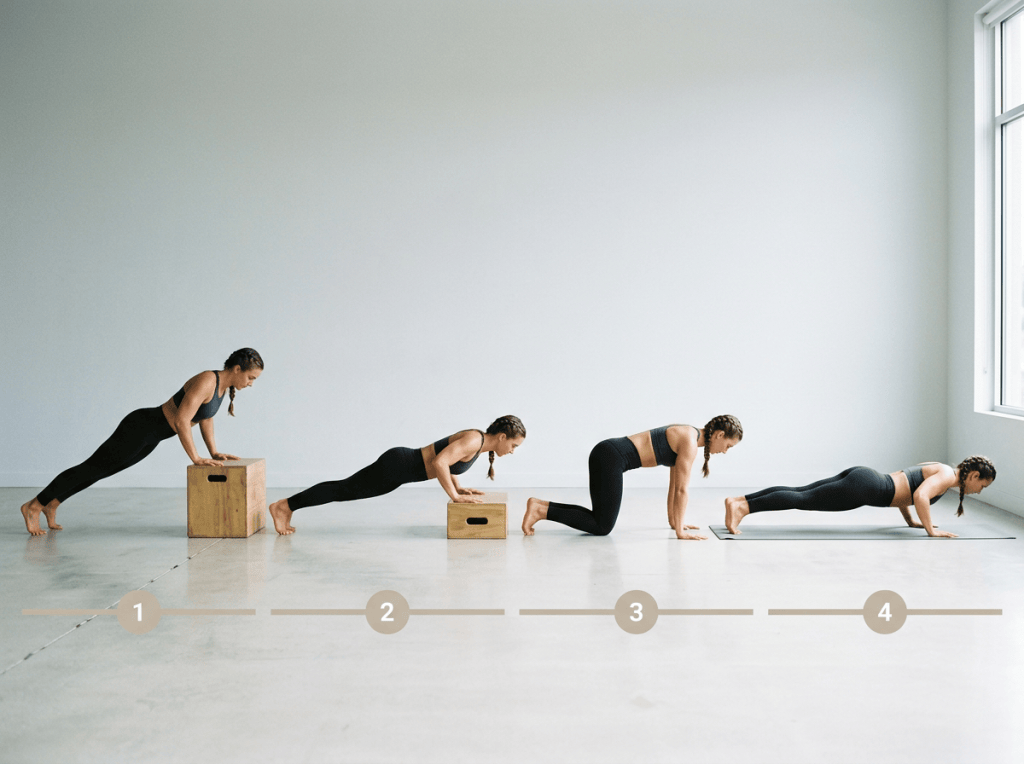
- Wall push-ups
- Squats
- Stair climbing
- Balance work
These exercises challenge your bones through muscle tension, improve strength and function, and reduce the risk of falls. If a clinician approves, add hills, stairs, or brief jogging intervals for extra loading. Use caution with higher-impact activities if you have fragile bones.
Besides resistance training, balance exercises are crucial for preventing falls. Regularly discussing your bone health with a healthcare professional can help tailor your plan. This discussion may include DXA screening and medication options based on your specific risk factors.
Conclusion
Brisk walking is a simple, effective way to support bone health. A brisk walking routine lasting two to three hours weekly can significantly slow age-related bone loss. It is accessible and gentle for many people, making it a strong foundation for stronger bones and better mobility.
Brisk walking offers modest benefits, but it is not a complete plan for fracture prevention. Combine it with resistance training, a balanced diet rich in calcium and vitamin D, and regular bone density screening. These steps can improve bone health; balance exercises may also reduce the risk of falls.
There is no perfect time to walk. Consistency matters most, so make brisk walking part of your life at a time that fits your schedule. If you have concerns about osteoporosis, fractures, or major health issues, seek professional guidance. These habits can help protect bone density and support your overall well-being.



Leave a Reply