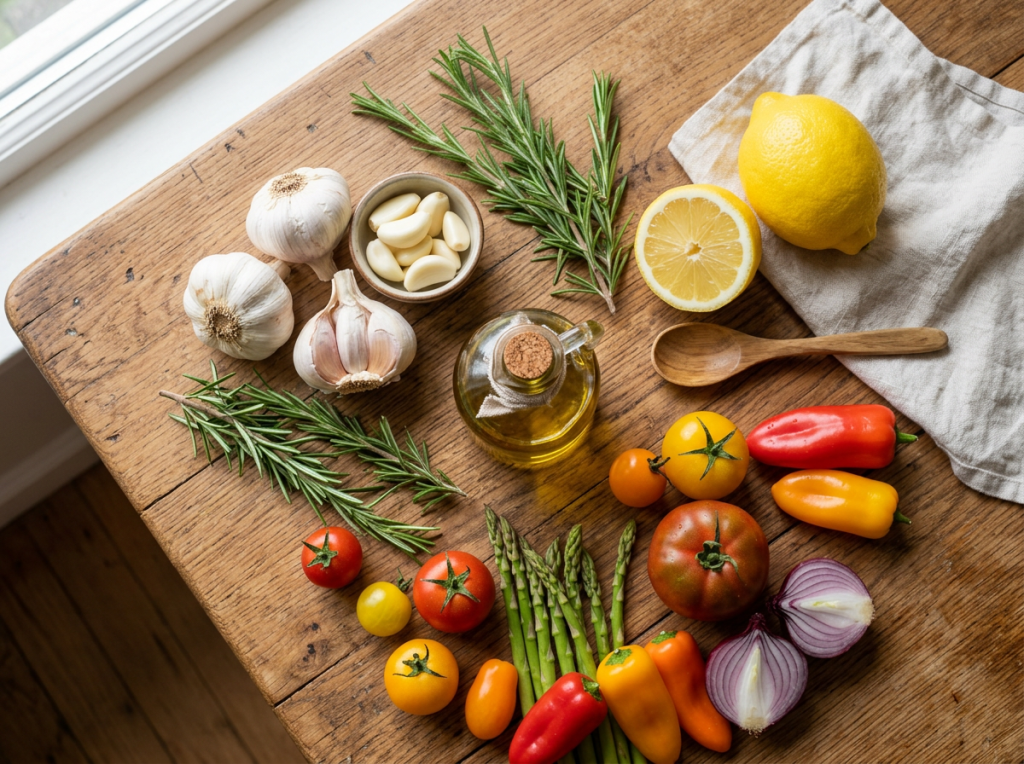


Have you wondered how a simple seasoning could support your well-being and kidneys? For kidney-friendly cooking, garlic is the best spice for kidney health. This humble ingredient boosts flavor and offers benefits for people who watch their kidney function.
Garlic is a kidney-friendly seasoning that can help lower your sodium intake. It adds rich flavor, so you can enjoy tasty meals without using much salt. The National Kidney Foundation highlights garlic’s antioxidant properties, which support overall health.
Kidney health involves more than adding a spice to your diet. Blood pressure, blood glucose levels, and prescribed medications all play important roles. This article explores how to use garlic with kidney-smart habits and support your health journey.

We will examine garlic’s compounds, preparation methods, and meal ideas for kidney-conscious cooking. These ideas explain why garlic is the best spice for kidney health in many kidney-friendly meals. Always consult a healthcare professional or renal dietitian before making major dietary changes, especially if you have chronic kidney disease.
Key Takeaways
- Garlic adds flavor without excessive sodium.
- It contains antioxidants beneficial for overall health.
- Kidney health relies on multiple factors beyond diet.
- Integrating garlic can enhance meal satisfaction.
- Consult a professional before dietary changes.
Why kidney health deserves your attention right now
Kidney health is often overlooked, but it deserves your attention now. Chronic kidney disease (CKD) affects millions of people in America. Learning about CKD can help you take steps toward better health.
The growing burden of chronic kidney disease in America
More than 1 in 7 U.S. adults have chronic kidney disease. This statistic shows why kidney health needs urgent attention.
Many people may not know they are at risk because early CKD often has no clear symptoms. Regular screening and awareness can support early detection and management.
More than 1 in 7 U.S. adults are affected.
Because so many people are affected, prevention and screening are essential. You can check trusted public health sources for current statistics about this issue.
Higher rates among people with diabetes and high blood pressure
Folks with diabetes and high blood pressure have a higher risk of developing CKD. High glucose levels and sustained high blood pressure can damage the kidneys’ filters over time. People with these conditions should monitor their kidney health closely.
Why prevention matters more than treatment
Protecting kidney function is usually easier than reversing advanced damage. A proactive approach can make a major difference to your health. Lower-sodium cooking, balanced meals, regular activity, and routine testing are practical prevention strategies.
Garlic can support a healthier eating pattern, but it cannot prevent or treat CKD on its own. Include garlic as part of a comprehensive approach to kidney health.

Understanding chronic kidney disease and what damages your kidneys
Chronic kidney disease (CKD) is characterized by an accumulation of uremic toxins, oxidative stress, and chronic inflammation. This condition reduces your body’s ability to filter waste. Understanding these factors can help you protect your kidney health.
The buildup of uremic toxins in your bloodstream
As kidney function declines, your body struggles to remove waste. Uremic toxins then accumulate in your bloodstream. This buildup may cause fatigue, nausea, confusion, and more kidney damage, creating a harmful cycle.
How oxidative stress wears down kidney tissue
Oxidative stress occurs when harmful reactive molecules outweigh your body’s protective systems. In CKD, damage can occur to kidney tissues, including blood vessels and cells. This damage can limit kidney function, so managing oxidative stress supports kidney health.
Chronic inflammation as a silent driver of kidney decline
Chronic inflammation also reduces kidney function and can affect structures such as glomeruli and tubular tissues. Persistent inflammation may cause scarring and further kidney damage. Addressing it helps protect kidney health and overall well-being.
While garlic’s health benefits largely stem from its natural sulfur compounds, it is not a cure for CKD. Use it as part of a broader approach to maintaining kidney health. Always consult a healthcare professional for medical evaluation and treatment if you suspect kidney issues.

The best spice for kidney health: Why garlic leads the way
If you’re wondering about the no. 1 spice to add, kidney experts recommend garlic for kidney health. Garlic is an easy way to add depth to meals while making it easier to follow a lower-sodium eating pattern. It can support a kidney-friendly diet, but experts do not prescribe garlic as a universal treatment.
What kidney experts recommend
The National Kidney Foundation lists garlic among kidney-friendly seasonings. Garlic powder or crushed garlic adds flavor to dishes like pasta, rice, and cooked vegetables. Choose fresh garlic, plain garlic powder, or clearly labeled salt-free products.
These choices add garlic flavor without unwanted sodium or potassium chloride in some seasoning blends.
A quick look at garlic’s healing reputation
Garlic has long been used in traditional medicine for its antioxidant, antimicrobial, and anti-inflammatory properties. Modern research explores its possible cardiovascular and metabolic benefits. Garlic complements kidney-smart diets, but cannot replace prescribed blood pressure or diabetes medicines; ask a provider for personalized advice.

The sulfur compounds that make garlic a kidney powerhouse
Garlic’s sulfur compounds play a key role in kidney health. Allicin is formed when fresh garlic is chopped or crushed. This activates alliinase, an enzyme that changes alliin into allicin and releases garlic’s distinct aroma.
Allicin does more than create garlic’s smell; it helps fight inflammation & oxidative stress. This compound has been shown to fight inflammation and oxidative stress—issues that increase the risk of CKD. Research suggests allicin may support the body’s natural defenses against these harmful processes.
Garlic’s sulfur compounds also act inside cells to fight inflammation. By lowering inflammatory markers, garlic may protect kidneys from chronic inflammation. Ongoing inflammation can cause vascular and tissue injury, raising the risk of CKD.
Garlic’s antioxidants may neutralize oxidative stress before it harms your kidneys. Oxidative stress occurs when free radicals and antioxidants become unbalanced in the body. By raising antioxidant levels, garlic may reduce the risks associated with oxidative damage.

Laboratory studies show promise, but garlic’s effects on human kidney health need more study. People tolerate garlic differently, and large amounts of raw garlic may cause digestive discomfort or irritation. Adding moderate amounts to your diet may support kidney health while adding flavor.
Garlic and blood pressure: A natural way to protect your filters
Understanding garlic’s effect on blood pressure can help protect kidney health. High blood pressure is more than a number; it can damage the small blood vessels in the kidneys. That damage makes it harder for kidneys to filter waste effectively.
Garlic contains allicin, the active ingredient formed after chopping or mincing. Allicin promotes the production of nitric oxide, which directly dilates blood vessels. This widening improves blood flow and supports better kidney filtration.

Healthy blood pressure is vital for kidney function. High blood pressure stresses the kidneys, while declining kidney function can make pressure harder to control. It provides anti-inflammatory benefits and supports blood flow for better kidney filtration; its compounds may offer natural vascular support.
Garlic’s effect is modest compared with proven steps, such as prescribed medications, reduced sodium intake, weight management, and regular physical activity. If you add garlic to manage blood pressure, consult a healthcare professional, especially if you are taking antihypertensive medications. Concentrated garlic supplements may interact with medications, particularly blood thinners.
Adding garlic flavor without extra sodium
Garlic makes it simple to add flavor without extra sodium. This choice may support kidney health while you enjoy satisfying dishes. Simple cooking changes can build a lower-sodium eating pattern you enjoy.
Building a lower-sodium eating pattern you actually enjoy
Moving to a lower-sodium diet does not have to feel restrictive. Garlic adds flavor without sodium, helping meals feel satisfying. Use these tips to get started:
- Sauté minced garlic in olive oil before adding vegetables to unlock its savory depth.
- Mix roasted garlic into a low-sodium spread for a tasty alternative to butter.
- Stir garlic into rice or pasta dishes for an aromatic boost.
- Combine garlic, lemon, and dill for a refreshing seasoning for fish.
- Pair garlic with herbs like basil, oregano, or rosemary for Italian-style dishes that burst with flavor.
Check labels on garlic salt, seasoning packets, bouillon, sauces, and marinades. Products labeled “salt substitutes” may contain potassium chloride, which could be unsafe for people with chronic kidney disease (CKD).
Easy ways to weave fresh garlic into everyday meals
Adding garlic to daily cooking can be simple and enjoyable. Try these easy ideas:
- Add minced garlic to your salad dressings for an extra kick.
- Incorporate garlic into your marinades for meats and tofu.
- Use garlic in soups and stews to deepen the flavor profile.
- Try garlic-infused oils for drizzling over finished dishes.
Gradual seasoning changes can lower sodium intake while keeping meals flavorful. With time, lower-sodium meals can taste just as good, or even better, than salt-packed meals.
Beyond the kidneys: Garlic’s heart and metabolic benefits
Garlic supports more than kidney health. It also supports heart and metabolic health. These links can guide food choices that improve overall well-being.
Good cardiovascular health helps protect kidney function. Healthy blood vessels deliver oxygen-rich blood to the kidneys, while garlic may dilate blood vessels and reduce inflammation. Uncontrolled high blood pressure and unhealthy blood fats can speed kidney damage.
Garlic adds flavor to a lower-sodium eating pattern. This choice supports heart health and helps prevent cardiovascular disease & diabetes. Adding garlic helps you follow dietary guidelines that protect your cardiovascular system.
Garlic may help regulate blood sugar, but it cannot replace diabetes medicine. Eat it with vegetables, high-fiber foods, and minimally processed ingredients as part of a balanced pattern. If you have diabetes or chronic kidney disease, coordinate food choices with your healthcare provider.
Garlic is a powerful spice with many health benefits, but it works best with a healthy diet and lifestyle. This approach may support cardiovascular health and help manage blood sugar.
Getting the most out of every clove
To gain garlic’s health benefits, prepare each clove with care. Your method can affect allicin, a powerful compound known for health benefits. The idea that allicin levels are maximized by crushing garlic illustrates why preparation matters.
Crushing, chopping, and slicing: What maximizes allicin
Consider these key points when preparing garlic.
- Crushing or finely chopping: This method creates more cell disruption, leading to a higher release of allicin.
- Slicing produces a milder flavor and less allicin than crushing.
- Resting time: Allow freshly chopped garlic to sit for about 10 minutes before cooking. This helps maximize allicin formation.
Heat and cooking time can change the final amount of allicin in your dishes. Preparation matters when you want garlic’s full benefits.
Storage mistakes that strip garlic of its power
Proper storage protects garlic’s flavor and strength. Follow these guidelines to keep it potent.
- Whole garlic bulbs: Store in a cool, dry, and well-ventilated area. Avoid sealing them in damp containers.
- Peeled or chopped garlic: Refrigerate in a safe, labeled container and use it promptly to maintain freshness.
- Pre-minced garlic: Be cautious; these products may contain preservatives or added sodium. Always read the label.
Maximizing allicin can help, but the main goal remains flavorful, lower-sodium meals. Such meals support your kidney health by using fresh garlic for kidney-friendly cooking.
Pairing garlic with other kidney-smart habits
Adding garlic to your diet is one way to protect kidney health. Pair it with other healthy habits to support your well-being. These habits can significantly lower your risk of chronic kidney disease.
Eating more plants to lower your kidney disease risk
Focusing on a plant-based diet can support your kidneys. Eating more plants can help protect against chronic kidney disease. Vegetables, fruits, beans, whole grains, and nuts provide essential nutrients for kidney function.
Build meals with garlic and a variety of colorful vegetables. For example, garlic pairs well with:
- Spinach
- Broccoli
- Carrots
- Bell peppers
- Tomatoes
These combinations make tasty, kidney-friendly dishes while keeping sodium low. If you have advanced chronic kidney disease (CKD), tailor your diet to your needs. Personalized advice about sodium, potassium, phosphorus, and protein can guide healthy choices.
Knowing your numbers: Blood pressure, glucose, and eGFR
Tracking health measures can help prevent kidney disease. Blood pressure, blood glucose, and estimated Glomerular Filtration Rate (eGFR) show how your kidneys work. These numbers also offer important clues about your overall health.
Keep blood pressure in a healthy range to protect your kidneys. High blood pressure can strain these organs and cause more problems. Check blood glucose or A1C levels, especially if diabetes is a risk.
eGFR estimates how well your kidneys filter blood. Regular urine albumin tests can detect early kidney damage, even when eGFR is normal. Track these measures and discuss changes with your healthcare team to make informed health decisions.
A balanced diet rich in plants, including garlic, can significantly improve kidney health. Knowing your numbers also helps protect against chronic kidney disease. Remember, “dietary seasoning cannot replace screening or treatment,” so always consult your healthcare provider before major diet changes.
Conclusion
Garlic is a valuable spice for kidney health. It adds flavor without extra sodium, making it useful for kidney-smart garlic meals. Garlic’s sulfur compounds, especially allicin, offer antioxidant and anti-inflammatory benefits that support overall kidney function.
The National Kidney Foundation supports using herbs and spices, such as garlic, to promote lower-sodium kidney health habits. Check seasoning products carefully. Avoid garlic salt and high-sodium blends to keep meals kidney-friendly.
For best results, choose fresh or plain garlic, then crush or chop it for stronger flavor. Pair garlic with a variety of vegetables and minimally processed foods to create nutritious meals. Monitor your blood pressure, glucose levels, eGFR, and urine albumin as your healthcare provider advises.
Remember, garlic cannot cure chronic kidney disease. Individual dietary restrictions may involve potassium, phosphorus, sodium, fluids, or protein. Discuss dietary changes, supplements, or potential medication interactions with a nephrologist or renal dietitian.
This supports a safe and effective approach to kidney health.



Leave a Reply