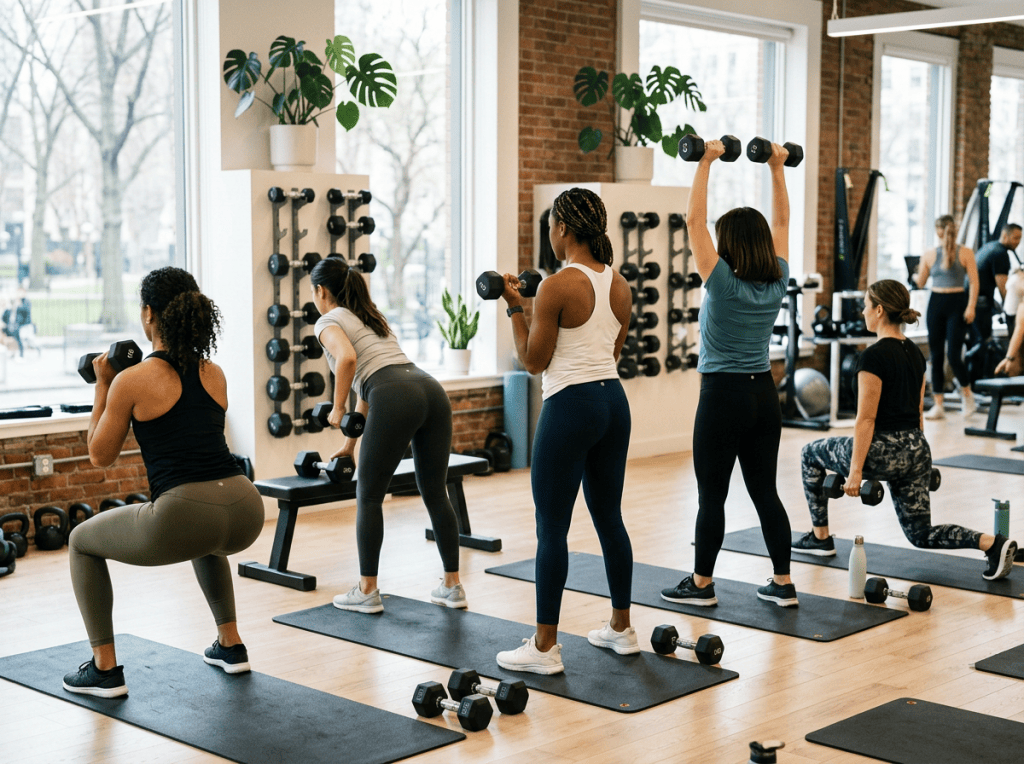


Did you know resistance training can improve your physical strength and mental well-being? A 2025 review found that it significantly improves women’s health in several ways. It is a common myth that only athletes or bodybuilders should lift weights.
Here’s Why Women Should Lift Weights: strength training supports health, independence, mobility, and confidence throughout life.
Resistance can come from dumbbells, machines, bands, kettlebells, or your body weight. So, lifting weights for women does not require an expensive gym membership. These workouts can maintain muscle, strengthen bones, improve posture, and raise your overall quality of life.
Whether you are starting or have trained for years, adapt workouts to your age, experience, goals, and health status. Strength training for women can support a healthier, more fulfilling life and help you stay healthy.

Key Takeaways
- Resistance training boosts physical and mental health.
- Strength training can improve body composition and bone health.
- You can use various equipment or body weight for effective workouts.
- Adapting training to your needs is essential for success.
- Strength training enhances overall quality of life.
Strength Training Supports More Than Your Appearance
You may picture bulging muscles, lifting enormous weights, or looking like a bodybuilder. However, strength training isn’t about getting bulky. It helps build a stronger, healthier, leaner, and more confident version of yourself.
Research shows that lifting weights can improve muscle strength, metabolic health, and body composition. Strength training may also support cardiovascular function, mental health, and self-esteem. According to University Hospitals, it may improve blood flow, reduce inflammation, and lower the risk of chronic illness.
What lifting weights can do for your health
Strength training can improve functional capacity, balance, and endurance. Stronger muscles improve mobility, helping daily activities, work, and recreation feel easier. For younger women, foundational strength builds confidence; for adults, it supports fitness through changing life demands.

As you age, maintaining muscle mass and bone health becomes more important. Strength training can preserve muscle, support bone density, and improve balance for later-life independence. Your goals may involve energy, resilience, or daily function, not appearance.
Why strength training matters at every age
Regardless of age, adding strength training to your routine can help. For teens and young adults, it builds a strong foundation for future fitness. In adulthood, it meets family and work demands; for older adults, it supports mobility and independence.
Strength training improves physical appearance, overall health, and quality of life. Focus on becoming a stronger, healthier version of yourself as you begin.
Here’s Why Women Should Lift Weights: Put Common Myths Aside
Many women have concerns about strength training that may hold them back. Let’s clear up these myths and explain its benefits.
“I want to tone, but I don’t want to bulk up”
Many women say, “i want to tone, but i don’t want to bulk up.” This concern often means they want to tone while managing body composition.
Significant muscle growth requires long-term training, nutrition, genetics, and personal goals. Regular strength training builds lean muscle and can improve your shape without unwanted bulk.
“I don’t want to look like a man”
Some women worry that strength training will make them look too muscular or masculine. However, women do not automatically become bulky from resistance training.
Women have different hormonal responses than men. Strength training can enhance your feminine shape and build confidence.
“I don’t want to lift heavy”
Some women say, “I don’t want to lift heavy.” Heavy weights are not required for effective strength training.
You can start with body-weight exercises, resistance bands, or lighter weights. Choose options that match your fitness level.
Your muscles need a challenge to grow stronger. Increase resistance gradually, stay consistent, and adjust workouts for comfort and progress.

Boost Your Metabolism and Support a Healthy Body Composition
To build muscle, focus on strength training for a healthy body composition. As muscle mass increases, you can boost your metabolism and burn more calories, even at rest. This change supports calorie burning, weight control, and overall health.
Muscle tissue needs energy to maintain itself, so it remains active even at rest. As you build muscle, your body’s resting energy needs rise. More muscle can help you burn more calories throughout the day.
- Increased Resting Metabolic Rate: More muscle leads to higher energy expenditure.
- Enhanced Caloric Burn: Strength training complements daily movement, helping you utilize calories more effectively.
- Improved Body Composition: A focus on muscle building can lead to a healthier balance of fat and muscle.
Strength training works best with other forms of exercise. Walking, aerobic exercise, adequate protein intake, and proper sleep support your metabolism. Health involves more than looks; waist circumference and functional body composition are important health indicators.
Instead of relying only on the scale, track your progress through:
- Your strength improvements
- Energy levels throughout the day
- How your clothes fit
- The quality of your movements
- Your consistency in training
These measures show how building muscle benefits you beyond weight loss.

Fight Bone Loss as You Age
Strength training helps you fight bone loss as you age. As you grow older, your bones naturally become weaker and more likely to fracture. Resistance exercises can slow these changes, support stronger bones, and improve overall health.
Resistance exercises challenge your bones through mechanical loading, much like weights challenge your muscles. This process activates bone-forming cells, which help maintain bone mineral density. Adding squats, step-ups, rows, presses, and carefully performed deadlifts can improve bone health.

How resistance exercises challenge and support your bones
When you perform resistance exercises, you place stress on your bones, prompting them to adapt and strengthen. This adaptation matters during perimenopause and menopause, when hormonal changes can speed bone loss. Regular strength training can help prevent osteoporosis and maintain higher bone mineral density.
Why bone health makes strength training valuable through midlife and beyond
Prioritizing bone health matters through midlife and into later adulthood. Fracture risk increases with age, so add bone-health workouts to your fitness routine. Exercise alone may not prevent every case of osteoporosis, but it helps maintain bone density and overall strength.
Before starting any new exercise program, consult a healthcare professional. This is especially wise if you have a history of osteoporosis, previous fractures, or significant pain. They can tailor a program to your needs and help keep you safe.
Improve Your Posture and Help Prevent Injuries
Good posture looks good and helps improve your posture and prevent injuries. Strength training builds muscles that support your spine, hips, shoulders, and knees during daily movements. This support helps you keep a stable, comfortable posture.
Posture depends on mobility, habits, workstation setup, pain, and your individual anatomy. Consider these key areas when building better support:
- Upper-back strength: Strong upper-back muscles help keep your shoulders aligned and prevent slouching.
- Abdominal strength: A strong core stabilizes your spine and pelvis, improving posture.
- Glute strength: Strong glutes support your lower back and help maintain proper alignment.
- Leg strength: Strong legs enhance your balance and support your overall posture.

Strengthening these muscles can improve balance and reduce the risk of falls. Better balance helps you react to trips, uneven surfaces, and sudden changes in direction. Controlled repetitions through a comfortable full range of motion can improve flexibility and joint support.
If you experience pain, numbness, or persistent limitations, seek professional assessment rather than simply adding more weight to your exercises. Taking care of your body lets you enjoy strength training while minimizing the risk of injury.
Why Women Need to Strengthen Their Lower Body
Women need to strengthen their lower body to maintain mobility and independence. The hips, glutes, legs, and core support everyday movements. They help you walk, climb stairs, and rise from a chair.
To build lower-body strength, choose exercises that target these key areas. Squats and deadlifts can build strength effectively. Try these beginner-friendly exercises:
- Sit-to-stands
- Supported squats
- Step-ups
- Hip hinges
- Bridges
You can scale these exercises using bodyweight, resistance bands, or light weights. Use proper technique and controlled movement within your own range of motion.
Lower-body strength improves physical ability and builds confidence. As you age or return to activity after a period of inactivity, developing lower-body strength can improve daily life.

Make Everyday Activities Feel Easier
Strength training helps make everyday activities feel easier. When you build your strength, activities like carrying groceries, climbing stairs, or lifting boxes become much less daunting. You will notice that you move through your day with greater ease.
Carry, climb, lift, and move with greater ease
Imagine breezing through your daily errands. With improved strength and stamina, you can carry heavier bags, climb stairs without running out of breath, and lift items with confidence. Resistance training enhances your physical abilities, making everyday tasks feel less like a chore and more like a breeze.
Build strength and stamina for the activities you enjoy
Strength training doesn’t just make daily activities easier; it also prepares you for the hobbies you love. Whether gardening, hiking, or playing with your children, greater endurance helps you enjoy these experiences fully. You can enjoy these activities longer without tiring quickly.
Incorporating strength training into your routine brings real-world benefits. The more you train, the more capable you become in your daily life. Remember, the goal is not only to lift heavy weights in the gym, but to improve your quality of life.
As you grow stronger, you’ll feel empowered to take on any challenge that comes your way.

Build Confidence and Improve Your Quality of Life
Strength training can greatly improve your confidence and overall quality of life. Resistance exercises show you what your body can do, beyond appearance. You may complete more repetitions, lift heavier weights, or feel more energetic throughout the day.
As you notice these gains, your self-esteem grows. This new view helps you value your body for its abilities, not only its looks. Mastering new skills can improve your mental wellness.
Strength training also offers social benefits. Joining a class or exercising with a partner can create support and connection. These interactions motivate you and build a community around your fitness journey.
Strength training is not only about changing your body; it can support a better quality of life. As you grow stronger, you may feel more confident in social situations and personal challenges.
Adding strength training to your routine can help you build a respectful relationship with your body. It is not only about body image or mental health; it is about embracing a healthier, more confident you.
Strength Training Can Fit Your Age, Experience, and Starting Point
Strength training is for everyone, at any age and stage of life, not just athletes or fitness enthusiasts. You don’t have to be an athlete. You don’t have to lift the heaviest weights in the gym or spend hours working out.
Find a routine tailored to your needs and abilities to gain strength-training benefits.
Whether you are a beginner or have experience, adapt exercises to your current fitness level. These changes can improve safety and effectiveness. Here are ways to make strength training accessible:
- Modify the range of motion: Adjust how far you move during an exercise to match your comfort level.
- Change the resistance: Use lighter weights or resistance bands to start and gradually increase as you gain strength.
- Adjust the tempo: Slow down or speed up your movements to control the intensity.
- Support your stability: Use a wall or chair for balance when needed.
- Control repetitions and rest: Start with fewer repetitions and longer rest periods to build endurance.
If you are pregnant, recovering from an injury, managing osteoporosis, or living with a chronic condition, seek professional guidance. A qualified trainer or healthcare provider can design a safe, effective program tailored to your specific situation.
A short, manageable routine can be valuable. It can build strength and confidence while fitting your lifestyle. Consistency is key, and enjoying your workouts can make it easier to keep going.
Start Safely and Build a Routine You Can Maintain
Start safely and build a routine you can maintain with manageable exercises that fit your lifestyle. Focus on safety and proper technique to gain confidence and strength. The journey can begin with simple exercises that match your current ability.
Choose manageable exercises and begin with weights you can control
When you start, choose exercises that feel easy to perform. Begin with bodyweight movements or light weights to learn the fundamentals and reduce the risk of injury. Target major muscle groups, and practice each exercise until you feel comfortable.
University Hospitals recommends 8–15 repetitions per set, performed 1–3 times, while maintaining proper form. This approach lets you challenge yourself without overworking your body. Stop a set when your technique starts to decline.
Gradually challenge your body and stay consistent
As you gain comfort, it’s time to gradually challenge your body by increasing resistance, repetitions, or range of motion. Make these changes slowly as your strength improves, and stay consistent. Aim for at least two strength training sessions per week to gain significant benefits.
Try progressive overload by making small changes to your workouts over time. Add repetitions or slightly increase the weight. This strategy keeps your body engaged and helps you avoid plateaus.
Use good form, allow recovery, and seek guidance when needed
Using proper technique helps prevent injuries. If you feel unsure about your form, ask a certified trainer or physical therapist for guidance. They can give useful feedback and help you perform each exercise correctly.
Allow recovery days between challenging sessions for the same muscle groups. Rest, sleep, and hydration help your body repair itself and grow stronger. Always consult a clinician before starting a new program, especially if you have existing health concerns.
Conclusion
The truth is, lifting weights is one of the best things women can do for their bodies at any age. Strength training can build stronger muscles and improve bone density.
It’s time to put those fears aside, pick up the weights, and discover the many benefits of getting stronger. Getting stronger can improve balance, body composition, and confidence.
Remember, you simply have to start. You don’t need to lift heavy weights or spend hours in the gym. Begin with manageable exercises that match your fitness level.
Learn proper techniques, then slowly increase your intensity. This approach helps you build a routine you can maintain safely.
As you begin, seek guidance if you have health concerns or feel unsure where to start. Strength training can empower you with long-term independence and a better quality of life. Start today and embrace the strength within you.



Leave a Reply