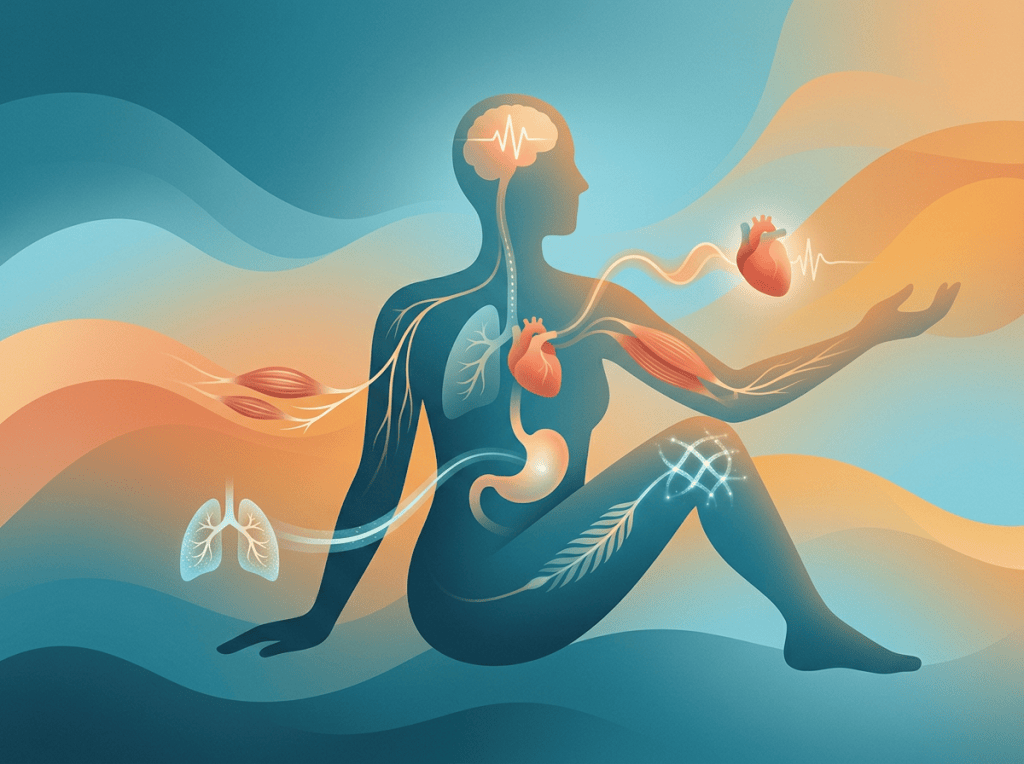


Have you noticed how worry can affect your body and make you feel different? Worry is more than a thought; it causes real changes in how you feel and function. When anxiety grows, your body switches into alert mode and releases stress hormones, such as adrenaline and cortisol.
These hormones can help for short periods by preparing you to face immediate threats. But constant worry can cause distressing symptoms, including a faster heartbeat, changed breathing, and digestive problems.
This article explains seven common physical symptoms linked to anxiety. These signs often relate to stress, but they are real and deserve attention. Seek medical evaluation for new, severe, or unexplained symptoms.
Learning about the autonomic nervous system and fight-or-flight response can explain your body’s reactions. Recognizing these patterns can help you use calming strategies and know when to seek help.

Key Takeaways
- Worry triggers physical responses in your body.
- Stress hormones prepare you for immediate challenges.
- Persistent anxiety can lead to distressing symptoms.
- Recognizing patterns can help you manage stress.
- New or severe symptoms should be evaluated by a doctor.
How Your Body Reacts When You Feel Worried
When you feel anxious, your body quickly turns on a protective system to handle stress. The autonomic nervous system controls functions you do not consciously manage, including heart rate, breathing, and urination.
When your brain perceives a threat, it signals your body to prepare for action. Adrenaline and cortisol levels rise, causing symptoms such as a faster heartbeat, sweating, and muscle tension.
Stress may not have an obvious cause. It can come from work pressure, family conflict, financial problems, or major life changes. Worry may also appear without a clear trigger, leaving you unsettled.
This automatic protective system is natural and helps keep you safe. It is not a personal failure. Your brain checks for danger and may react before you know what worries you.
For a short time, this alert state can improve motivation and focus. If it lasts too long, it can cause chronic stress. This ongoing stress may leave you physically drained and mentally exhausted.
Some stress symptoms can also come from physical illnesses, medications, or lack of sleep. Watch your body’s signals and notice patterns, but do not jump to conclusions or diagnose yourself.

7 Physical Changes Your Body Goes Through When You’re Worried
Worry can cause major changes in your body. These changes often involve your autonomic nervous system and stress hormones. Learning about them can help you understand and manage your body’s responses.
1. Your Body Switches Into Alert Mode
What Alert Mode Feels Like
When you’re worried, you may feel keyed up, sweaty, or shaky. Your body prepares for action by tensing its muscles. You may also feel watchful or restless.
Why Your Brain Triggers This Response
Your brain starts alert mode to help you respond to possible threats. This survival response can cause anxiety when no immediate danger exists.
2. Your Heart Beats Faster
Recognizing a Racing Heart
A racing or pounding heart is one of the most noticeable effects of worry. Your heart beats faster and harder, which can feel alarming.
When a Fast Heartbeat Signals Concern
A fast heartbeat can be a normal stress response. However, chest pain, severe shortness of breath, or fainting may require medical attention.
3. Your Muscles Tense and Headaches Appear
Where Tension Builds in Your Body
Your body prepares for action by tensing its muscles. Tension often builds in your jaw, neck, shoulders, and back.
The Link Between Tension and Headaches
Long-lasting muscle tension can cause headaches. If your headache triggers shift during stressful times, tension may be the reason.
4. Your Stomach and Bathroom Habits Change
What a Nervous Stomach Feels Like
The phrase “a nervous stomach” describes a real experience. You may feel nausea, stomach pain, or changes in your bathroom habits.
How Worry Affects Your Digestion
Worry can cause diarrhea, constipation, or urgency. Stress affects how your body processes food.
5. Your Sleep and Concentration Suffer
Why Worry Keeps You Awake
Racing thoughts can make it difficult to fall asleep. You can feel exhausted and still struggle to sleep, which may increase your worry.
The Mental Fog of Chronic Worry
Poor sleep can harm concentration. It may create mental fog and make daily tasks harder.
6. Your Appetite, Skin, and Sex Life May Change
Changes in Eating Patterns
During stressful periods, your usual routines may shift. You may eat more or less than usual.
Skin Reactions and Libido Shifts
Worry can cause skin flare-ups and affect your libido or sexual function. These changes may harm your overall well-being.
7. Your Immune System and Pain Response Shift
How Worry Weakens Immunity
Chronic worry can weaken your immune system and increase your risk of illness. Stress hormones can limit immune function.
Heightened Pain Sensitivity
Stress can change your pain sensitivity, making discomfort feel stronger. These symptoms are medically meaningful.
Understanding these physical changes can help you manage your responses to worry. Seek medical evaluation for new, severe, or lasting symptoms. Pausing, using distraction, deep breathing, or moving your body may help reduce these effects.

High Blood Pressure and Heart Disease
When you feel stress, your heart and blood pressure may react in surprising ways. Stress can raise your heart rate and blood pressure for a short time. Adrenaline and other stress hormones cause this normal body response.
Long-term stress can cause more serious health problems. It may lead to unhealthy habits, including a poor diet, little exercise, smoking, or too much alcohol. These habits can worsen high blood pressure and heart disease, diseases and conditions that stress can worsen.
A worrying event may briefly raise blood pressure, but one episode does not diagnose hypertension or heart disease. Ongoing stress can disrupt sleep, reduce activity, and make treatment plans harder to follow for existing health issues.
Do not dismiss chest pressure, fainting, or severe breathing problems as simple anxiety. These symptoms may signal a serious problem needing immediate medical care. Check your blood pressure regularly and talk with a healthcare professional, especially if you have known cardiovascular disease or risk factors.

Diabetes and Blood Sugar Imbalances
Stress can sharply affect blood sugar, especially for people with diabetes. During stress, the body releases hormones such as adrenaline and cortisol. These hormones tell the liver to release glucose for action; this helps briefly but complicates ongoing management.
For people with diabetes, stress can create several challenges. You may skip meals, eat for comfort, or become less active. Poor sleep and missed doses can also make maintaining stable blood sugar harder.
Shakiness, sweating, confusion, unusual thirst, frequent urination, and extreme fatigue can have many causes. Do not assume these symptoms always mean anxiety. Discuss repeated or unexplained changes with your healthcare team.
Follow your personalized monitoring and treatment plan carefully. If blood sugar repeatedly changes, contact your healthcare professional for guidance. They can help you manage diabetes and other diseases and conditions that stress can worsen.

Irritable Bowel Syndrome (IBS)
Stress and anxiety can strongly affect digestion and may contribute to Irritable Bowel Syndrome (IBS). The gut and brain communicate constantly, which helps explain how stress affects the body.
Stress can change how quickly digestion moves and how strongly you feel sensations in your gut.
The phrase “a nervous stomach” describes a real experience for many people. Possible symptoms include:
- Nausea
- Abdominal discomfort
- Diarrhea
- Constipation
- Bloating
- Urgency to use the bathroom
For people with irritable bowel syndrome (IBS), worry can worsen abdominal pain and bloating. Managing stress may reduce symptoms for some people. A record of your food intake, symptoms, stressors, sleep patterns, and bowel habits can give your clinician useful information.
Seek medical attention if you have:
- Blood in your stool
- Unexplained weight loss
- Persistent vomiting
- Fever
- Severe pain
- Nighttime symptoms
- A major change in bowel habits

Asthma and Breathing Problems
The link between worry and comfortable breathing is significant. When your brain perceives a threat, it signals your body to prepare for action. This stress response can cause rapid breathing, chest tightness, and shortness of breath.
Understanding these symptoms is crucial for managing your health.
Worry may cause these changes:
- Fast, shallow breathing
- A sensation of not getting enough air
- Throat tightness
- Increased awareness of normal breathing
However, separate stress-related breathing changes from those caused by conditions like asthma, infections, or allergic reactions. Sometimes, breathing problems cause anxiety instead. Recognizing this can help you seek appropriate care.
Wheezing, blue or gray lips, severe chest tightness, or trouble speaking may signal an urgent problem. Rapid worsening of breathing or trouble breathing that does not improve requires immediate medical evaluation. If you have asthma, follow your prescribed action plan and use medications as directed.
Your body’s response to worry is real. Recognizing it gives you a starting point for getting relief and appropriate care.

Eczema and Skin Flare-Ups
Periods of high stress can trigger or worsen eczema symptoms. Stress affects your body in many ways, including your skin. When anxiety or worry activates your immune system, inflammation may rise and worsen existing eczema.
Stress can worsen eczema: during stressful periods, your usual routines may shift. You may struggle to follow your skincare routine, which helps manage eczema. Skipping moisturizer or prescribed treatments can cause flare-ups, while stress-related itching can lead to more scratching.

Stress can also disrupt your sleep. Lack of rest can weaken your skin’s ability to heal, making eczema flare-ups more likely. Personal triggers, such as soaps, detergents, or heat, may worsen during stressful times.
Managing stress matters, but follow your clinician’s skincare plan. Seek medical advice for widespread, infected, painful, or persistent skin symptoms. Do not rely solely on relaxation techniques to clear eczema; professional guidance is essential for effective management.
“Your skin reflects your overall health, and stress management is a vital part of maintaining it.”
Depression and Anxiety Disorders
Persistent worry can grow into anxiety disorders and disrupt daily life. When worry is hard to control, normal tasks may become difficult. Stress and physical symptoms may occur with anxiety or depression.
Recognizing the signs of anxiety disorders matters. Warning signs include:
- Avoiding activities due to fear
- Being preoccupied with physical symptoms
- Struggling to work or study effectively
- Withdrawing from relationships
- Feeling persistently low
- Finding it hard to complete everyday tasks
Mental health conditions such as anxiety or depression can affect existing illnesses. They may change sleep, appetite, and motivation. They can also affect medication use and access to healthcare services.
Effective treatment options are available. They may include therapy, behavioral techniques, and prescribed medication when needed. Supportive lifestyle changes can also improve your mental health.
If you are in the United States, contact a primary care clinician or mental health professional. Local crisis services can help you manage these challenges. Seeking help is a strong step toward recovery.

How Worry Affects Your Immune System Over Time
Ongoing stress can weaken your body’s defenses over time. Chronic stress affects your immune system and can worsen existing diseases and conditions. Your immune system works closely with your nervous and hormonal systems.
Persistent worry may increase inflammatory signals in your body. This can slow recovery from illness and increase your risk of infections. Stress can also disrupt health habits, including:
- Sleep patterns: Poor sleep can weaken your immune response.
- Eating habits: Irregular meals can lead to nutritional deficiencies.
- Physical activity: Inactivity can contribute to a decline in overall health.
- Substance use: Increased use of alcohol or tobacco can further compromise your immune system.
Research on stress and immunity is complex. Chronic stress can affect health, but it does not directly cause every infection or chronic disease. Focus on reducing long-lasting strain on your body with these practical steps:
- Establish a regular sleep schedule: Aim for 7-9 hours of quality sleep each night.
- Eat consistently: Maintain regular meal times to support your metabolism.
- Engage in manageable physical activity: Even light exercise can boost your immune health.
- Use evidence-based relaxation techniques: Practices like mindfulness and deep breathing can help reduce stress.
- Seek care for existing conditions: Regular check-ups can help manage chronic issues effectively.
If you have frequent illnesses, slow recovery, an unexplained fever, or lasting symptoms, speak with a healthcare professional. Proactive steps can help protect your immune system during chronic stress.
Simple Ways to Help Your Body Settle
When life feels overwhelming, take simple steps to help your body settle—and know when to get care as your headache triggers shift. Pause and notice what is happening in your body. This awareness may show whether stress caused your symptoms.
Breathing exercises can calm your mind and body. Try slow, deep breaths to reduce tension. You can also try progressive muscle relaxation by tensing and relaxing different muscle groups.
Physical activity can also help your body settle. Take a brief walk or try gentle stretching to release tension. These activities release endorphins, which boost your mood and ease stress.
Distraction can interrupt the cycle of worry. Water plants, do laundry, or complete a puzzle. These tasks shift your focus from stressors and provide a sense of accomplishment.
Talking with a trusted friend, family member, or health professional can offer support and clarity. Sharing your feelings can lighten your emotional load and provide perspective.
Planning for stressful days can make a big difference. Break large tasks into small, achievable targets. This approach can reduce feelings of being overwhelmed and provide a clear path forward.
Notice your headache triggers, which may include muscle tension, dehydration, or missed meals. If headaches keep returning, assess the situation instead of relying on self-treatment.
Finally, do not use alcohol, cigarettes, drugs, or gambling to cope. These choices can cause more problems and increase your stress levels.
When to Reach Out for Professional Support
Your body’s response to worry is real. Recognizing it gives you a starting point for getting relief and appropriate care, and you are not alone. Mental health conditions such as anxiety or depression can affect existing illnesses.
Consider professional support when:
- You struggle to cope with daily stressors and self-help strategies are not working.
- Your worry significantly affects your daily life, making it hard to function.
- You feel overwhelmed and need urgent help to manage your emotions.
In the United Kingdom, NHS 111 can direct you to appropriate care, and mental health emergencies are taken just as seriously. In the United States, call or text 988 for urgent mental health crisis support. If in immediate danger, call 911 or visit the nearest emergency department.
Schedule a medical appointment if:
- Your symptoms persist, recur, or worsen over time.
- You experience sleep disruptions or have difficulty concentrating.
- Your mood becomes depressed, or you start to avoid activities you once enjoyed.
Also, seek immediate evaluation for:
- Chest pain or severe breathing difficulty.
- Fainting or sudden neurological symptoms.
- Signs of self-harm or serious allergic reactions.
Put your safety first. If you feel medically unsafe, do not drive yourself for help. Seeking support shows strength and can lead to the relief and care you deserve.
Conclusion
Your body’s response to worry is real. It can cause physical changes that affect your overall well-being. Recognizing it gives you a starting point for getting relief and appropriate care.
Worry can cause alertness, a faster heartbeat, muscle tension, digestive changes, and problems with sleep and concentration. You may notice changes in appetite, skin, and sexual function. These symptoms are valid but may overlap with serious medical conditions.
To help your body settle—and to know when to get care —try calming strategies. Choose relaxing activities, keep a supportive routine, and talk with someone you trust. If symptoms persist, become severe, or limit daily activities, seek professional help.
Recognizing the effects of worry on your body is an important step toward managing stress. You can take control of your health and well-being. Start today by acknowledging your feelings and finding ways to get relief.




Leave a comment