


Ever thought about whether incline walking is better than running for burning fat? This question shakes up many beliefs about exercise. You’ll see the science behind incline walking vs. running. The answer depends on your fitness, how hard you work out, and how long you do it.
As we explore, you’ll find out how these workouts stack up for fat loss. You’ll see how calorie burn and fat use differ. This will help you understand how your workout choices affect your success. Get ready to clear up myths and find the best workout for you.

Key Takeaways
- Incline walking can be a low-impact alternative to running.
- Calorie burn varies based on workout intensity and duration.
- Fat oxidation rates differ between incline walking and running.
- Your fitness level plays a significant role in the effectiveness of your workouts.
- Understanding your goals can help you choose the right workout.
Understanding the Basics of Incline Walking and Running Workouts
Knowing the basics of incline walking and running is key to a good workout. Each has its own benefits and effects on the body. Incline walking works the glutes and calves well, making it great for leg strength without too much joint stress.
Running, on the other hand, has higher impact forces. This can strengthen muscles and bones more but might be tough for beginners or those with joint issues.
Key Differences in Muscle Engagement and Impact Levels
Here are some main differences between incline walking and running:
- Muscle Engagement: Incline walking mainly works the glutes and calves. Running, though, engages more muscles, such as the quadriceps and hamstrings.
- Impact Levels: Walking uphill is easier on the joints than running, making it safer for many.
- Caloric Burn: Both can burn calories well. But incline walking might let you exercise longer because it’s less stressful.
How Incline Walking Targets Glutes and Calves
Incline walking focuses on the glutes and calves because of the uphill angle. This effort leads to:
- More muscle activation in the lower body.
- Improved endurance and strength in key muscles.
- Less risk of injury from lower impact.
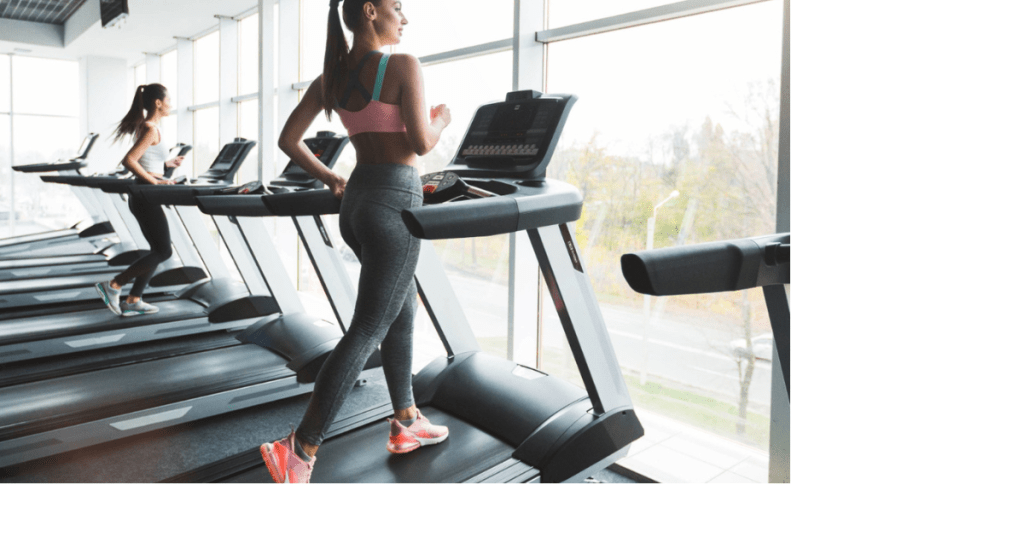
Understanding these differences helps you pick the best workout for your goals. Whether you like incline walking or running, each has its own benefits.
The Science Behind Fat Burning: Incline Walking vs. Running
Knowing how your body burns fat during exercise is key. Different workouts use different energy sources based on how hard you work. Incline walking keeps you in a moderate zone, perfect for burning fat.
This means you use more fat for energy compared to running. Studies show incline walking can burn about 7% more fat than running.
Metabolic Fuel Utilization During Exercise
When you exercise, your body uses different fuels. Here’s how it works:
- Low Intensity: Your body uses more fat for energy.
- Moderate Intensity: A mix of fat and carbohydrates fuels your workout.
- High Intensity: Carbohydrates become the primary fuel source.
Recent Research Findings on Fat Oxidation Rates
Studies reveal the impact of incline walking on fat oxidation rates. Here are the findings from recent research:
| Activity | Calories Burned | Percentage from Fat |
|---|---|---|
| Incline Walking | 300 | 40% |
| Running | 400 | 33% |
These findings show running burns more calories, but incline walking burns more fat. The amount of fat burned depends on how long and hard you work out. Knowing the science behind incline walking vs. running helps you pick the best workout for your goals.
Is incline walking better than running? Which workout burns more fat
Both incline walking and running are great for burning fat. Knowing how each affects calorie burn and fat percentage helps you choose the best workout for your goals.
Comparing Calorie Burn and Fat Percentage Burned
Recent studies show incline walking burns about 7% more fat than running. Here’s a quick look at the comparison:
- Running: Burns more calories per minute.
- Incline Walking: Burns a higher percentage of fat.
For instance, running for 23 minutes burns the same calories as 30 minutes of incline walking. So, if you’re short on time, running might be better for calorie burn.
How Workout Duration Influences Total Fat Burn
The amount of fat burned depends on workout intensity and duration. Longer, moderate-intensity workouts, such as incline walking, lead to greater fat loss over time. Consider these factors:
- Intensity of the workout.
- Duration of the exercise session.
- Your individual fitness level.
Knowing these factors helps you pick the right workout for your schedule and fat loss goals. Remember, incline walking vs. running: what the science says can help you choose for effective fat loss.

The 12-3-30 Workout Trend and Its Fat-Burning Claims
The 12-3-30 workout has become very popular. It involves walking on a 12% incline at 3 mph for 30 minutes. Many people like it because it’s low-impact and helps burn fat.
Studies show that walking on an incline engages different muscles, such as the glutes and calves. This makes it burn more calories, even if it takes longer than running. The 12-3-30 workout is all over social media, with lots of people sharing their results.
Here are some key points about the 12-3-30 workout:
- It is accessible for all fitness levels.
- It minimizes joint stress compared to running.
- It can be done on a treadmill, making it convenient.
When thinking about adding this workout, consider how it compares to running. Research indicates that incline walking burns fat well but might not burn as many calories as running in the same amount of time. This sparks a debate on incline walking vs. running: what the science says.

In summary, the 12-3-30 workout is a unique way to lose fat. Its mix of incline walking and steady pace makes it a great option for those looking for a low-impact alternative to running.
Joint Stress and Injury Considerations in Incline Walking and Running
Choosing between incline walking and running depends on how they affect your joints. Incline walking is gentler, perfect for those with joint pain or recovering from injury. It’s less stressful on the joints but still boosts your heart health. Running, on the other hand, can be harder on bones and may lead to injuries if not done carefully.
Lower Impact Benefits of Incline Walking for Joint Health
Incline walking gently works your lower-body muscles. It’s safer for those with joint issues. Here’s why it’s good:
- Less stress on the joints, making it safer for those with pre-existing conditions.
- Strengthens muscles without the high impact associated with running.
- Improves endurance and stamina without excessive strain.
Running’s Role in Bone Density and Cardiovascular Improvements
Running is tough on joints but offers benefits:
- Running places greater stress on bones, which can enhance bone density over time.
- It significantly boosts cardiovascular conditioning, leading to improved heart health.
- Incorporates a higher calorie burn in a shorter time frame compared to incline walking.

Choosing between incline walking and running depends on your fitness goals and health. Think about your joint health and what feels right for you.
Time Efficiency: Running vs. Incline Walking for Fat Loss
If you’re short on time but want to lose fat, knowing the difference between running and incline walking is key. Studies show that running burns calories more quickly. It uses more calories per minute than incline walking. This means you can lose more weight in less time.
When choosing your workout, consider these points:
- Calorie Burn: Running burns about 10-15 calories per minute. Incline walking burns 5-8 calories per minute.
- Workout Duration: With just 30 minutes, running offers a more intense workout. This helps you lose fat faster.
- Intensity Levels: Incline walking is less intense. It’s easier to keep up for longer periods. This is great if you prefer longer workouts.
Think about your preferences and how much time you have. If you only have a short time, running might be better. But if you like longer, steadier workouts, incline walking could be more enjoyable.
Who Benefits Most from Incline Walking Workouts?
Incline walking is great for many people. It’s a low-impact workout that fits different fitness levels. It targets key muscles in the lower body, making it perfect for beginners, those who are overweight, or those recovering from injuries. Knowing who benefits most helps decide if incline walking is for you.
Beginners, Overweight Individuals, and Injury Recovery
Incline walking is a gentle start to exercise. It’s great for:
- Beginners who are new to fitness.
- Overweight individuals looking for a manageable way to start losing weight.
- People in injury recovery needing a safe way to stay active.
This workout is easy on the joints but still promotes movement. It’s perfect for those with a history of injuries or extra weight.
Building Endurance and Aerobic Capacity Safely
Incline walking helps build endurance and aerobic capacity safely. Key benefits include:
- Gradual improvement in fitness levels.
- Increased heart rate without excessive strain.
- Enhanced muscle engagement, mainly in the glutes and calves.
These factors help keep you on track with your fitness goals. Regular practice leads to better strength and stamina.
Incline walking is a lasting choice for many. It aids in fat loss and keeps you active without overdoing it.
The Cardiovascular Advantages of Running Over Incline Walking
Running is great for your heart and lungs. It’s a top choice for quickly improving fitness. If you want a fast way to get fit, running is the way to go.
Running is also good for your bones. It makes your bones stronger over time. This helps prevent osteoporosis as you get older. Incline walking doesn’t have the same effect on bones.
Here are some key points about running’s benefits:
- Running raises your heart rate, which is good for your heart.
- It also helps your lungs work better, allowing you to take in more oxygen.
- Running burns more calories, which helps with weight loss.
- It strengthens your bones through impact.
Incline walking is good, too, but it’s not as good for your heart and bones as running. If you want to get fit fast, running is the best choice.
Heart Rate Zones and Their Role in Fat Burning
Knowing about heart rate zones is key to burning fat during workouts. Zone two, between 65-75% of your max heart rate, uses fat as the main fuel. It’s perfect for those wanting to boost their fitness.
Incline walking fits right into this zone, making it great for fat burning. Running can also be adjusted to stay in zone two by controlling your pace. This section will show you how to use zone two training to your advantage.
Zone Two Training and Its Effect on Fat Utilization
Zone two training has many benefits for burning fat:
- It promotes efficient fat burning.
- It boosts endurance and aerobic fitness.
- It’s safer than high-intensity workouts, reducing the risk of injury.
Adjusting Running Pace to Maximize Fat Oxidation
To burn fat while running, follow these tips:
- Keep an eye on your heart rate.
- Begin at a pace you’re comfortable with and then speed up.
- Add intervals to keep your heart rate in zone two.
Understanding the science behind incline walking vs. running can help you pick the best workout. Whether you like walking or running, focusing on your heart rate can help burn fat.
| Activity | Average Heart Rate Zone | Primary Fuel Source |
|---|---|---|
| Incline Walking | Zone Two (65-75%) | Fat |
| Running | Variable (can reach Zone Two) | Carbohydrates and Fat |
Practical Tips to Maximize Fat Burn with Incline Walking and Running
To burn fat effectively, you need smart strategies for incline walking and running. Understanding incline walking vs. running: what the science says is key. Here are some tips to boost your fat-burning efforts.
- Find Your Pace: Stay in your fat oxidation zone. This means working at a level where your body burns fat most efficiently.
- Gradually Increase Intensity: Slowly increase the duration or intensity of your workouts. This helps in building endurance and aerobic capacity safely.
- Incorporate the 12-3-30 Workout: This popular method involves walking on a 12% incline for 30 minutes at 3 mph. It can be an effective way to burn calories.
- Listen to Your Body: Pay attention to how you feel during workouts. Avoid pushing too hard to prevent injuries.
- Choose Enjoyable Workouts: Select activities you love. Enjoyment is crucial for maintaining consistency in your fitness routine.
Consistency is key for long-term success. Make these strategies part of your routine, and you will see improvements in your fat-burning efforts. Remember, the right approach can lead to sustainable results.
The Importance of Exercise Consistency for Long-Term Fat Loss
When it comes to losing fat, being consistent is more important than finding the perfect workout. You might ask, does incline walking vs. running really matter? The answer is yes, but only if you stick with it over time. Both incline walking and running can work, as long as you keep doing them.
Finding a workout you enjoy is crucial. Enjoyment keeps you active. Here are some tips:
- Choose activities that fit your lifestyle.
- Set realistic goals to track your progress.
- Mix different workouts to keep things fresh.
Let’s look at how consistency affects calorie burn:
| Workout Type | Calories Burned in 30 Minutes | Calories Burned in 60 Minutes |
|---|---|---|
| Incline Walking | 150 | 300 |
| Running | 300 | 600 |
Running burns more calories in a short time. But if you prefer walking uphill, it can still help you lose fat. The important thing is to keep going. Make exercise a regular part of your life, and you’ll see the results.
In summary, focus on what you can keep up with in the long term. The best workout for losing fat is the one you can stick with. Enjoy the journey and remember, consistency is key.
Conclusion
Choosing between incline walking and running depends on your goals and needs. Both are great for burning fat but in different ways. Running is quick and boosts your heart rate, burning calories fast.
Incline walking, on the other hand, is easier on your joints. It’s perfect for those with joint issues or who prefer less impact. Your choice should match your fitness level and your preferences.
Consistency is key. The best workout is one you can keep up with. Whether it’s incline walking or running, regular exercise leads to lasting fat loss. Find what works for you and stick with it.
FAQ
Is incline walking better for fat burning than running?
Whether incline walking or running is better for fat burning varies. It depends on your fitness level, how hard you exercise, and how long you do it. Incline walking might burn more fat calories, but running burns more calories in less time.
How does incline walking engage muscles differently than running?
Incline walking works your glutes and calves harder because of the uphill. Running works muscles differently and can strengthen bones more due to its impact.
What does recent research say about fat oxidation rates during incline walking and running?
Studies show incline walking burns about 40% of calories from fat, while running burns 33%. But how much fat you burn also depends on how long and hard you work out.
How do calorie burn and fat percentage compare between incline walking and running?
Incline walking burns more fat, but running is quicker. For example, running for 23 minutes burns the same as walking uphill for 30 minutes.
What is the 12-3-30 workout, and how effective is it for fat burning?
The 12-3-30 workout means walking uphill at a 12% incline and 3 mph for 30 minutes. It’s backed by research and burns fat better than running, but it takes longer to burn the same number of calories.
How does incline walking affect joint health compared to running?
Incline walking is easier on joints, which is good for those with joint pain or recovering from injuries. Running is harder on the joints but can strengthen bones and improve heart health.
Which workout is better for someone with limited time: running or incline walking?
If you’re short on time, running is better for losing fat because it burns more calories per minute. But incline walking is easier to maintain for longer, which can also be beneficial.
Who benefits the most from incline walking workouts?
Beginners, people who are overweight, and those recovering from injuries do well with incline walking. It’s low-impact and works muscles well, improving endurance and heart health safely.
What cardiovascular benefits does running provide over incline walking?
Running boosts heart and lung health and strengthens bones more than incline walking. It’s better for those focusing on heart health and bone strength.
How can heart rate zones affect fat burning during exercise?
Knowing heart rate zones is key for burning fat. Zone two, 65-75% of max heart rate, uses fat as fuel. Incline walking usually stays in this zone, while running can be adjusted to fit it.
What practical tips can help maximize fat burn with incline walking and running?
To burn more fat, pace yourself to stay in the fat-burning zone. Increase workout time or intensity slowly. Try the 12-3-30 workout if it works for you. Always listen to your body and choose exercises you enjoy.
Why is exercise consistency more important than choosing the “perfect” workout?
Consistency is more important for losing fat than finding the perfect workout. Enjoying and sticking to your routine is key for lasting success.





Leave a Reply