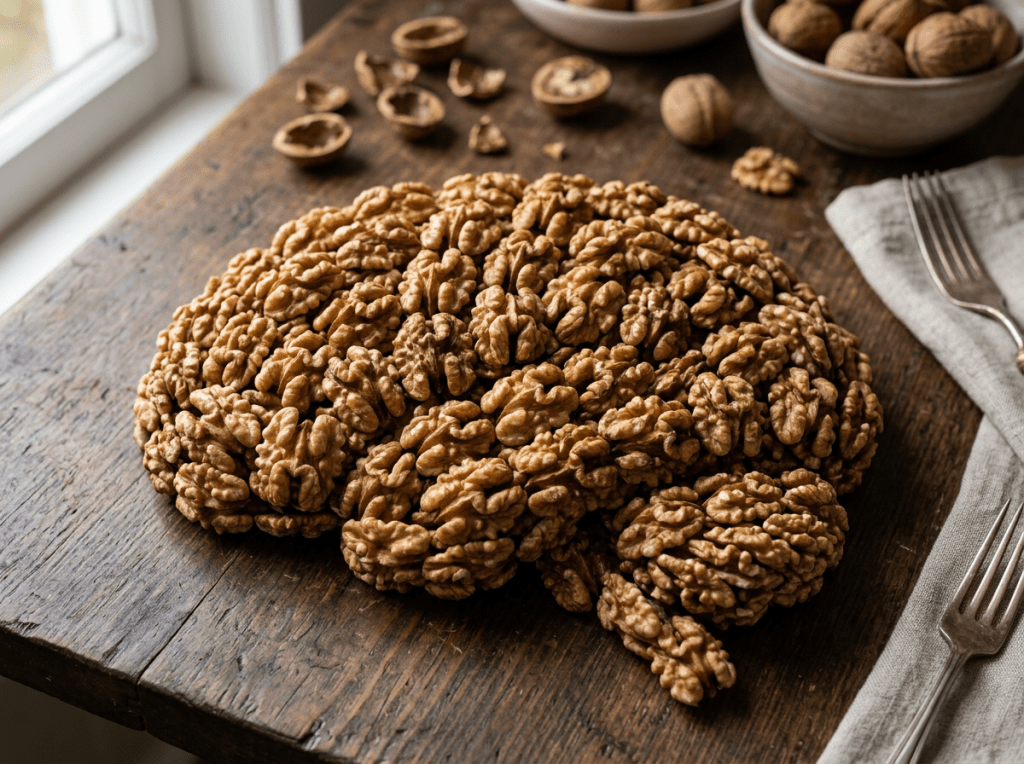


Did you know that just a handful of walnuts can give you almost all the omega-3 fatty acids you need each day? This nut is often overlooked, but it’s a nutritional powerhouse. It’s packed with essential nutrients that can boost your overall well-being. Dietitians always suggest walnuts for their amazing benefits to brain, heart, and gut health.
Walnuts should be a part of your daily meals. They’re not only tasty but also play a big role in your health. In this article, you’ll learn why walnuts are the top choice for dietitians. They’re great for brain, heart, and gut health, and we’ll explore their impressive benefits in more detail.

Key Takeaways
- Walnuts are a rich source of omega-3 fatty acids.
- They contain high levels of antioxidants and polyphenols.
- Walnuts support cognitive function and brain health.
- This nut promotes cardiovascular wellness.
- Walnuts help nourish a balanced gut microbiome.
- Incorporating walnuts into your diet is easy and beneficial.
Understanding the Nutritional Powerhouse of Nuts and Seeds
Nuts and seeds are known for their nutritional value. They are full of healthy fats, protein, fiber, and vitamins and minerals. Walnuts are a great example, but knowing about all nuts and seeds can be even more rewarding.
Why Nuts and Seeds Are Super Healthy
Eating nuts and seeds can greatly improve your health. Here’s why:
- Rich in healthy fats that support heart health
- High in protein, making them great for muscle repair
- Loaded with fiber, which aids digestion
- Contain antioxidants that protect against cell damage
- Provide essential vitamins and minerals for overall well-being
Key Nutrients Found in Nuts and Seeds
Nuts and seeds are more than just snacks. They are full of important nutrients. Some key ones include:
| Nutrient | Function | Sources |
|---|---|---|
| Healthy Fats | Support heart health and reduce inflammation | Walnuts, almonds, chia seeds |
| Protein | Essential for muscle repair and growth | Pumpkin seeds, peanuts, cashews |
| Fiber | Aids digestion and promotes satiety | Flaxseeds, sunflower seeds, pistachios |
| Antioxidants | Protect cells from damage | Walnuts, pecans, hazelnuts |
| Vitamins and Minerals | Support overall health and immune function | Brazil nuts, almonds, walnuts |

Adding different nuts and seeds to your meals can boost your health. This knowledge helps us see why walnuts are special for brain, heart, and gut health.
The One Nut Dietitians Recommend for Brain, Heart, and Gut Health
Walnuts are a nutritional powerhouse often overlooked. They are a top choice among dietitians for their health benefits. Walnuts are rich in omega-3 fatty acids and other nutrients that support brain, heart, and gut health.
Walnuts are special because they promote overall wellness. Here’s why dietitians recommend them:
- High in omega-3 fatty acids, essential for brain function.
- Rich in antioxidants that combat oxidative stress.
- Source of fiber, promoting gut health and digestion.
- Contains vitamins and minerals vital for overall health.
To better understand walnuts, let’s compare them with other nuts. Here’s a table showing their nutritional components:
| Nutrient | Walnuts (per 100g) | Almonds (per 100g) | Cashews (per 100g) |
|---|---|---|---|
| Omega-3 Fatty Acids | 9.08 g | 0.00 g | 0.00 g |
| Fiber | 6.7 g | 12.5 g | 3.3 g |
| Antioxidants | High | Moderate | Low |
| Protein | 15.2 g | 21.2 g | 18.2 g |
In summary, walnuts are a top choice for dietitians. They support brain, heart, and gut health. Adding walnuts to your diet can boost your nutrition.

What Makes Walnuts Good for You?
Walnuts are more than just tasty snacks; they’re packed with nutrients. Knowing what makes them good for you can help you choose healthier options. They’re a top source of omega-3 fatty acids, which are crucial for your health.
Rich Source of Omega-3 Fatty Acids
Walnuts have the most omega-3 fatty acids among tree nuts. This includes pecans, pistachios, and macadamia nuts. The alpha-linolenic acid (ALA) in them supports heart health and may reduce inflammation in the body. Here are some benefits of omega-3 fatty acids:
- Promote heart health
- Support brain function
- Reduce inflammation
High Antioxidant and Polyphenol Content
Walnuts are also rich in antioxidants and polyphenols, including ellagic acid and flavonoids. These help fight off harmful free radicals and protect your cells. The benefits include:
- Reducing the risk of chronic diseases
- Supporting immune function
- Improving skin health

Adding walnuts to your diet can boost your health. Their mix of omega-3 fatty acids and antioxidants makes them a great addition to any meal plan.
Walnuts and Brain Health: Supporting Cognitive Function and Aging
Walnuts are more than just a tasty snack. They play a vital role in supporting your brain health. They are an excellent source of omega-3 fatty acids. These fats are crucial for brain cell communication and memory.
Including walnuts in your diet can enhance your cognitive function. It also promotes healthy aging.
Omega-3s Role in Brain Cell Communication and Memory
The omega-3 fatty acids in walnuts improve brain cell communication. This can lead to better memory and learning. They also help manage inflammation in the nervous system.
This is important for maintaining overall brain health. By incorporating walnuts into your meals, you can support your cognitive resilience as you age.
Antioxidants in Walnuts Neutralizing Free Radicals
Walnuts are rich in antioxidants, which protect your brain cells. These antioxidants help neutralize free radicals that can cause oxidative damage. This protection is essential for promoting healthy aging and cognitive function.
Including walnuts in your diet may contribute to sharper focus and better memory.
- Supports brain cell communication
- Enhances memory and learning
- Reduces inflammation in the nervous system
- Neutralizes free radicals to protect brain cells

Incorporating walnuts into your daily routine can be a simple yet effective way to boost your brain health. With their rich content of omega-3 fatty acids and antioxidants, walnuts are a smart choice. They are great for anyone looking to enhance cognitive function and promote healthy aging.
Walnuts and Heart Health: Promoting Cardiovascular Wellness
Walnuts are great for your heart. They contain important nutrients that help keep your heart healthy. The omega-3 fatty acids in walnuts are key to keeping blood vessels in good shape and balancing cholesterol levels.
Regularly eating walnuts can also lower inflammation. This is important for a healthy heart.
Including walnuts in your diet offers many benefits:
- Omega-3 fatty acids support blood vessel health and help manage cholesterol.
- Fiber binds to dietary cholesterol, preventing its absorption in your body.
- Antioxidants protect heart cells from oxidative stress, reducing the risk of heart disease.
- Minerals like magnesium help regulate blood pressure and improve vascular function.
Eating walnuts can help your heart health. The American Heart Association says these nutrients are key for a healthy heart. Enjoying walnuts as a snack or in salads is a simple way to improve your heart health.

Walnuts and Gut Health: Nourishing a Balanced Microbiome
Walnuts are great for your gut health. They give you important nutrients that keep your gut balanced. A balanced gut is key to feeling good and supports digestion, immunity, and more.
Fiber Content and Gut Bacteria Support
The fiber in walnuts helps your gut bacteria a lot. It feeds the good microbes, making them grow and work better. This leads to:
- Improved digestive regularity
- Enhanced nutrient absorption
- Support for a healthy gut barrier
Polyphenols and Gut Microbiome Diversity
Walnuts are full of polyphenols, which are like food for your gut microbes. They help make your gut microbiome diverse and healthy. A diverse gut microbiome is linked to:
- Better immune function
- Reduced inflammation
- Improved gut barrier integrity
Walnuts also have omega-3 fatty acids, which help keep your gut barrier strong and balance inflammation. Eating walnuts can help nourish your gut and support a healthy microbiome.
How to Incorporate Walnuts into Your Daily Diet
Walnuts are a versatile nut that can easily enhance your meals and snacks. Knowing how to incorporate walnuts can help you enjoy their numerous health benefits. Below are some simple snack and meal ideas to get you started.
Simple Snack and Meal Ideas
Walnuts can be added to various dishes for extra flavor and nutrition. Here are some ideas:
- Sprinkle chopped walnuts on Greek yogurt for a nutritious breakfast.
- Add walnuts to salads for a crunchy texture.
- Mix them into grain bowls for added protein.
- Blend walnuts into pesto for a unique twist on a classic sauce.
- Combine walnuts with dried fruit for a quick and healthy snack.
- Incorporate walnuts into baked goods like muffins or energy balls.
Storing Walnuts for Freshness
To keep your walnuts fresh and flavorful, proper storage is key. Follow these tips:
- Use airtight containers to protect walnuts from moisture and air.
- Store them in the refrigerator for short-term freshness.
- For long-term storage, keep walnuts in the freezer.
These simple tips make it easy to enjoy walnuts regularly. By incorporating walnuts into your diet, you can maximize their nutritional impact and enjoy their health benefits.
Comparing Walnuts to Other Nuts and Seeds: Why They Stand Out
Nuts and seeds are full of healthy fats, vitamins, and minerals. Walnuts are special because of their unique nutrients. They are not just another nut; they offer significant benefits for brain, heart, and gut health.
Walnuts are the only tree nuts with the most omega-3 fatty acids. This is good for your brain and overall health. Compared to almonds, pistachios, and pecans, walnuts have more to offer:
- Rich in omega-3 fatty acids, supporting brain health.
- High antioxidant content, helping to combat oxidative stress.
- Excellent source of dietary fiber, promoting gut health.
While other nuts have their benefits, walnuts have a unique mix of nutrients. They help fight inflammation and support heart health. The fiber in walnuts also helps your gut, improving digestion and overall gut health.
In short, if you want a nut that’s good for your brain health, heart health, and gut health, choose walnuts. Their special properties make them a top choice among nuts.
Addressing Tree Nut Allergies: Nut Alternatives and Benefits
Tree nut allergies affect millions in the United States. If you have this allergy, finding safe alternatives is key. Seeds can offer the health benefits of nuts without the allergy risk.
Seeds like pumpkin, hemp, flax, and chia are great substitutes. They’re packed with omega-3s, fiber, and antioxidants. These nutrients are good for your brain, heart, and gut. Here’s why these seeds are beneficial:
- Pumpkin Seeds: They’re rich in magnesium and zinc, which are good for your heart.
- Hemp Seeds: They have all the essential amino acids, making them a complete protein.
- Flax Seeds: They contain lignans, which can help reduce inflammation.
- Chia Seeds: They’re great for staying hydrated and are high in fiber.
Adding these seeds to your meals is easy. You can put them in:
- Oatmeal for a nutritious breakfast.
- Smoothies for a protein boost.
- Salads for crunch and nutrition.
- Baked goods for extra flavor and health benefits.
These alternatives offer health benefits similar to nuts but with unique tastes and textures. You can have a varied diet while managing tree nut allergies.
| Seed Type | Omega-3 Content (g per 100g) | Fiber Content (g per 100g) | Key Health Benefits |
|---|---|---|---|
| Pumpkin Seeds | 0.1 | 18.4 | Heart health, magnesium source |
| Hemp Seeds | 9.3 | 4.0 | Complete protein, anti-inflammatory |
| Flax Seeds | 22.8 | 27.3 | Rich in lignans, supports digestion |
| Chia Seeds | 17.0 | 34.4 | Hydration, high fiber |
Try these nut alternatives to keep your diet healthy and avoid tree nut allergies. With the right choices, you can enjoy tasty and nutritious meals.
Conclusion
Walnuts are the top choice for brain, heart, and gut health, according to dietitians. They have a special mix of nutrients that sets them apart. Walnuts are packed with omega-3 fatty acids, making them a key health booster.
Eating walnuts daily can help your brain stay sharp. They protect your thinking skills and memory. Walnuts also fight off harmful stress with their antioxidants.
For your heart, walnuts are a great snack. They help keep your heart healthy. Walnuts also support a healthy gut by feeding good bacteria and aiding digestion.
Adding walnuts to your meals is a tasty way to improve your health. They are a key part of a balanced diet. Enjoy walnuts for a delicious boost to your well-being.
FAQ
What are the health benefits of walnuts?
Walnuts are great for your brain, heart, and gut. They are full of omega-3 fatty acids. These support your brain and heart health. Plus, they have antioxidants that fight oxidative stress.
How do walnuts support brain health?
Walnuts have omega-3 fatty acids that help your brain cells talk and remember. They also keep your nervous system calm. The antioxidants in walnuts protect your brain cells, keeping your mind sharp.
Are walnuts beneficial for heart health?
Yes, walnuts are good for your heart. They help keep your blood vessels healthy and your cholesterol levels balanced. Their fiber and antioxidants also reduce inflammation and protect your heart cells.
Can walnuts help with gut health?
Absolutely! Walnuts are great for your gut. They have fiber that feeds good bacteria and helps you digest regularly. Their polyphenols also boost gut diversity, improving digestion.
How can I incorporate walnuts into my diet?
It’s easy to add walnuts to your meals. Try them in salads, yogurt, or grain bowls. Blend them into smoothies or pesto. They’re also tasty in baked goods or as a snack with dried fruit.
What makes walnuts stand out compared to other nuts?
Walnuts are special because they have lots of omega-3 fatty acids. They also have antioxidants and fiber. These nutrients make walnuts great for your brain, heart, and gut.
What should I do if I have a tree nut allergy?
If you’re allergic to tree nuts, don’t worry. You can still get health benefits from seeds like pumpkin, hemp, flax, and chia. These seeds are rich in omega-3s and can be used safely in many dishes.







Leave a Reply