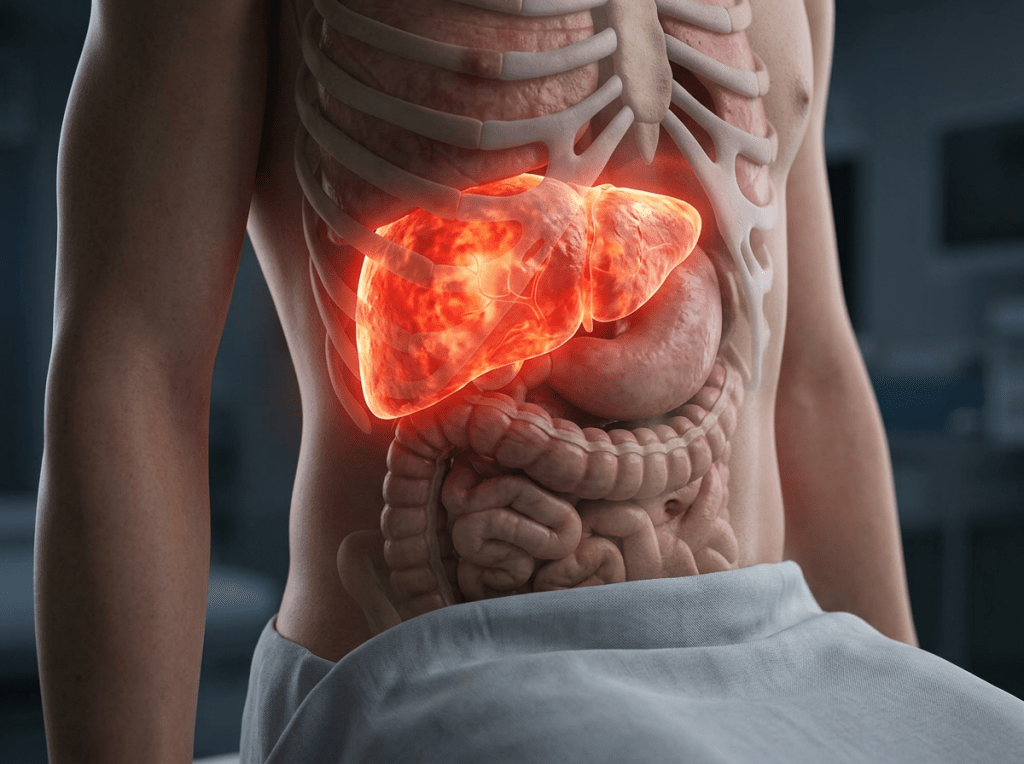


Ever thought about what happens to your body after a beer? Most people think it’s just a way to relax. But the truth is more complex. Your liver starts working right away when you drink beer, and it never gets a break.
Drinking beer daily impacts seven body systems, including your liver, brain, and heart. The changes happen at different times. Some can be seen in weeks, while others take years.

This article will dive into how your body reacts to daily beer drinking. We’ll look at the risks and details. Knowing these effects can help you make better choices about drinking.
Key Takeaways
- Daily beer consumption affects multiple body systems.
- Your liver works continuously to process alcohol.
- Some changes from drinking beer can be seen in weeks.
- Long-term effects may take years to manifest.
- Understanding these effects is crucial for making informed choices.
How Daily Beer Drinking Impacts Your Liver Function
Your liver is key to your body’s health, mainly when dealing with alcohol. Every time you have a beer, your liver works hard. It’s the first to handle alcohol, which means it gets stressed out.
Drinking beer every day can harm your liver over time. Even if you drink moderately, it’s still risky. This constant stress can lead to serious liver problems. It’s important to know how daily drinking affects your liver.
The Liver’s Role in Alcohol Metabolism
Your liver breaks down alcohol into safer substances. This is crucial to avoid alcohol poisoning. But drinking daily can overwhelm your liver, causing:
- Fatty liver disease
- Alcoholic hepatitis
- Cirrhosis
Long-Term Liver Stress and Possible Diseases
Regular beer drinking can cause inflammation and scarring in your liver. This makes it harder for your liver to work right. It can even lead to liver failure. It’s vital to watch how much you drink to protect your liver.

Weight Gain and Changes in Body Composition from Daily Beer Consumption
Drinking beer every day can change your body weight and composition. Beer is calorie-dense, with a 12-ounce serving having about 150 calories. These calories come from alcohol and carbs, adding a lot of energy without any nutritional value.
Your waistline can grow due to beer’s calorie density. Drinking calorie-dense beer regularly can lead to weight gain, mainly around the belly. This type of fat increases the risk of heart disease and diabetes.
Beer can also make you hungrier. This means you might eat more and feel less full. The carbs in beer can worsen weight gain, so it’s important to watch your drinking.
| Type of Beer | Calories (per 12 oz) | Carbohydrates (g) |
|---|---|---|
| Lager | 150 | 13 |
| IPA | 180 | 15 |
| Stout | 200 | 18 |
| Light Beer | 100 | 7 |
In summary, drinking beer daily can cause weight gain and changes in body composition. Knowing how beer’s calories and carbs affect your waistline is key to a healthy lifestyle.

Effects of Beer on Your Cardiovascular Health
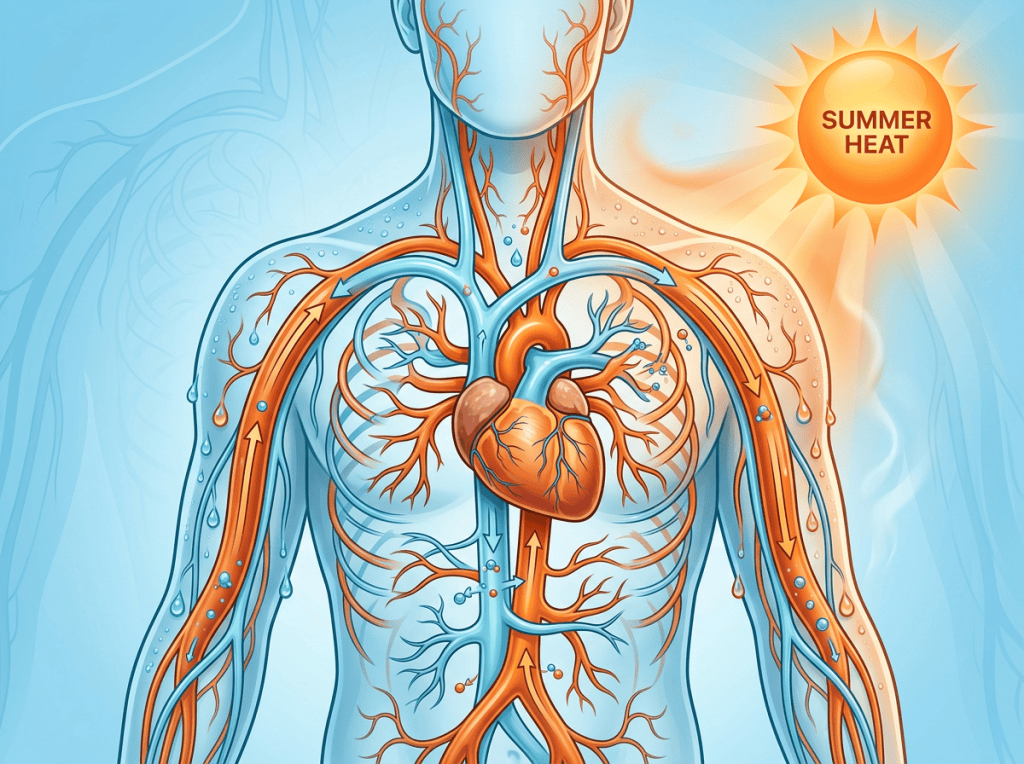
Your heart health can be greatly affected by how much beer you drink. Knowing the difference between drinking in moderation and too much is key. Drinking in moderation might have some good effects, but too much can be very harmful.
Moderate vs. Excessive Consumption and Heart Disease Risks
Drinking up to one beer a day for women and two for men is considered moderate. At this level, you might see some benefits like:
- Increase “good” HDL cholesterol
- Reduce arterial stiffness
- Lower the risk of heart disease
But drinking too much can lead to serious heart problems. You might face:
- Hypertension
- Cardiomyopathy
- Stroke
- Atrial fibrillation
Polyphenols in Beer and Potential Heart Benefits
Beer has polyphenols, which are good for your heart. These antioxidants fight off harmful stress and inflammation. Drinking beer in moderation, which is rich in polyphenols, can:
- Support heart health
- Improve blood vessel function
- Enhance overall cardiovascular wellness

Knowing the right amount to drink can help you make better choices. Take care of your heart by being careful with how much beer you have.
The Influence of Daily Beer Intake on Your Brain Structure and Mental Health
Drinking beer every day can change your brain and affect your mental health. Studies show that your brain’s structure, like the hippocampus, can change. This area is key for remembering things and finding your way around.
Even drinking a little can cause your hippocampus to shrink. This might make it harder to think clearly over time.
Drinking a lot of beer can also harm your mental health. It can make you more likely to feel sad or anxious. While beer contains antioxidants that might benefit your brain, the risks remain. It’s important to keep your brain healthy.
- Measurable changes in brain structure can occur with daily drinking.
- Brain shrinkage in the hippocampus affects memory.
- Increased risks of depression and anxiety are associated with heavy consumption.
- Moderate drinking still poses risks to cognitive function.

To keep your brain healthy, think about cutting down on beer. Knowing these risks can help you make better choices about drinking.
Beer and Its Impact on Your Kidney Function and Electrolyte Balance
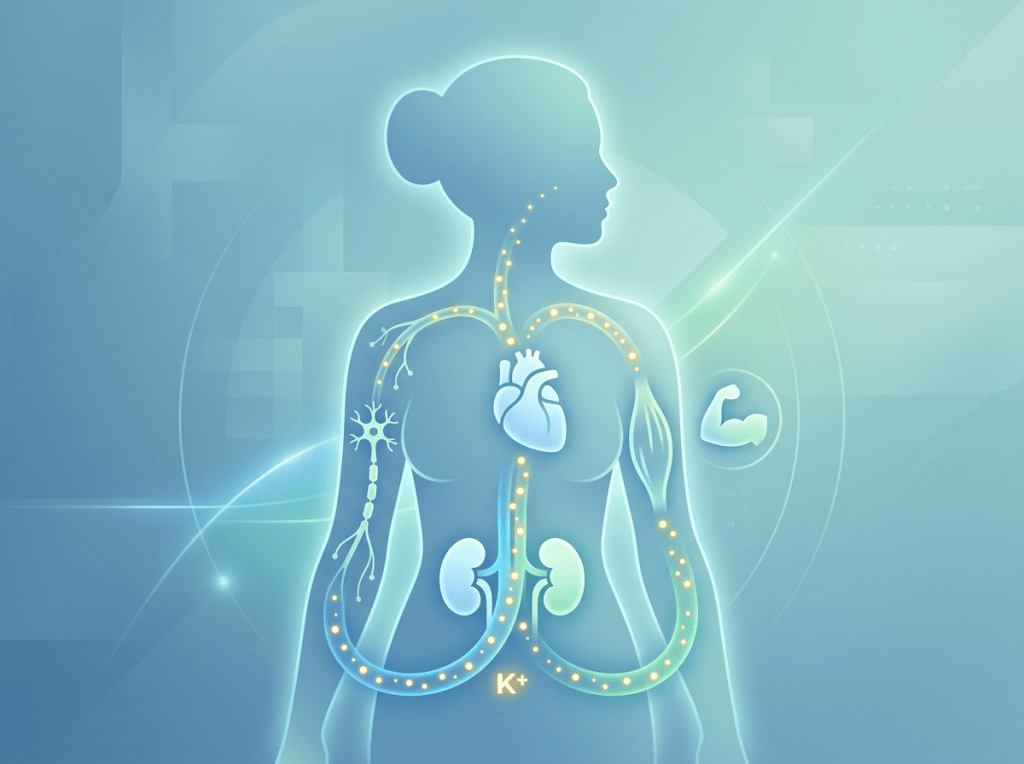
Your kidneys are key in filtering your blood and maintaining electrolyte balance. Drinking beer can lead to increased urine output and the loss of important electrolytes like sodium and potassium. This can strain your kidneys, more so if you drink too much.
Here are some important effects of beer on your kidneys:
- Increased urine output due to the diuretic effect of alcohol.
- Loss of vital electrolytes, which can disrupt your electrolyte balance.
- Higher risk of dehydration, leading to fatigue and muscle cramps.
- Potential for hypertension, a significant risk factor for kidney disease.
Living a healthy lifestyle helps protect your kidneys. While a little beer is okay, too much can harm you. It’s best to drink in moderation to avoid risks.

| Effect | Description |
|---|---|
| Diuretic Effect | Alcohol increases urine production, leading to dehydration. |
| Electrolyte Loss | Increased urination can cause loss of sodium and potassium. |
| Strain on Kidneys | Excessive drinking puts extra strain on kidney function. |
| Hypertension Risk | High blood pressure can lead to kidney disease over time. |
In summary, a beer now and then is fine, but too much can be bad. Watch how much you drink to keep your kidneys healthy.
Sleep Quality and Patterns When Drinking Beer Every Night
Many think that a beer before bed helps them fall asleep faster. Alcohol can make you feel calm and sleepy at first. But this calm doesn’t last long.
How Alcohol Initially Helps You Fall Asleep
Drinking beer before bed can make you fall asleep quicker. This is because alcohol has a calming effect. But this benefit doesn’t last long.
Alcohol’s Disruption of REM Sleep and Nighttime Awakenings
Alcohol cuts down on REM sleep, which is key for good rest. This leads to broken sleep and frequent wake-ups. You might feel tired and less sharp during the day.
- Initial sedative effects lead to faster sleep onset.
- Reduced REM sleep affects memory and mood.
- Frequent awakenings result in poor sleep quality.
| Effect of Beer on Sleep | Short-Term | Long-Term |
|---|---|---|
| Sleep Onset | Faster | Slower |
| REM Sleep | Reduced | Significantly Reduced |
| Nighttime Awakenings | Less Frequent | More Frequent |
Knowing how beer affects sleep can help you think about your habit. While a beer might seem okay before bed, it can really mess with your sleep. This can leave you feeling tired and unrefreshed in the morning.

Increased Cancer Risks Associated with Regular Beer Consumption
Drinking beer regularly can lead to serious health problems, including cancer. The risk of cancer starts with the first drink. Even a little alcohol can cause big health issues over time.
Ethanol in beer turns into acetaldehyde, a harmful substance that can damage your DNA. This damage makes it hard for your body to fix itself. It increases the chance of getting different types of cancer.
Here are some cancers linked to drinking alcohol:
- Liver cancer
- Breast cancer
- Colon cancer
- Esophageal cancer
It’s important to know these risks. Drinking beer often can increase your chance of getting these cancers. Knowing this can help you make better choices about drinking.

| Cancer Type | Risk Factors | Notes |
|---|---|---|
| Liver Cancer | Heavy drinking, liver damage | Alcohol can lead to cirrhosis, increasing cancer risk. |
| Breast Cancer | Alcohol consumption | Even moderate drinking raises risk for women. |
| Colon Cancer | Long-term alcohol use | Regular intake can lead to increased chances of cancer. |
| Esophageal Cancer | Heavy drinking, smoking | Alcohol damages the esophagus, raising cancer risk. |
Knowing these risks helps you think about the long-term effects of drinking. Think about how drinking beer regularly affects your health. Make choices that help you stay healthy.
Gender Differences in How Daily Beer Affects Your Body
It’s important to know how daily beer consumption affects your body, especially for women. Women metabolize alcohol differently than men. For women who drink often, it’s not just how much they drink but also when and how.
Why Drinking Patterns Matter More for Women
Women have lower levels of alcohol dehydrogenase, an enzyme that breaks down alcohol. This means they get drunk faster from the same amount of beer. Important factors include:
- When you drink can increase risks.
- Drinking often can stress the liver more.
- Drinking patterns affect heart health more in women.
Metabolic and Cardiovascular Variations Between Men and Women
Women’s bodies react differently to alcohol, affecting heart health and metabolism. The differences include:
- Women are more at risk for heart disease from alcohol.
- Heart responses to alcohol are different from men.
- Metabolism can lead to quicker intoxication and health risks.
Knowing these differences is key to making smart choices about drinking beer. For women who drink often, it’s not just about how much but also when and how. This can help reduce health risks.

The Timeline of Physical Changes from Drinking Beer Daily
Drinking beer every day affects your body in different ways. Some changes show up quickly, in just weeks. Others take years to appear. Knowing this timeline helps you spot health risks early and change your habits.
Here are some key changes you might experience:
- Increased Blood Pressure: This can happen in a few weeks of regular drinking.
- Disrupted Sleep Patterns: Many notice changes in sleep quality soon after starting daily beer consumption.
- Liver Damage: This takes years of too much drinking to show up as serious problems.
- Brain Structural Changes: These changes take years to develop and affect how well you think.
- Increased Cancer Risk: Drinking beer long-term raises cancer risk, which takes years to develop.
It’s important to know about these changes. You might not see the harm until it’s serious. Spotting early signs helps you make better choices about drinking.
| Change | Timeframe |
|---|---|
| Increased Blood Pressure | Weeks |
| Disrupted Sleep Patterns | Weeks |
| Liver Damage | Years |
| Brain Structural Changes | Years |
| Increased Cancer Risk | Years |
How Your Waistline Responds to the Caloric Density of Beer
Your waistline is very sensitive to the calories in beer. Drinking beer regularly can make you gain weight, mainly around your midsection. This is because beer contains many calories from alcohol and carbs.
Studies have found a strong association between drinking beer and belly fat gain. The calories in beer can help your body store fat in your stomach. This is not just about how you look. Belly fat is linked to serious health problems like diabetes, heart disease, and metabolic syndrome.
Here are some key points to consider:
- Beer typically contains 150-200 calories per serving.
- Regular consumption can lead to an increase in body mass index (BMI).
- Abdominal fat poses greater health risks than fat in other areas.
Knowing how many calories are in beer can help you make better choices. If you like drinking beer, try drinking less or choose beers with fewer calories.
| Type of Beer | Calories per 12 oz | Potential Impact on Waistline |
|---|---|---|
| Light Beer | 90-110 | Lower risk of weight gain |
| Regular Beer | 150-200 | Moderate risk of weight gain |
| Craft Beer | 200-300 | Higher risk of weight gain |
What happens to your body when you drink beer every day?
Drinking beer daily has many effects on your body. It’s important to know these to make smart choices. When you drink, your liver starts to break down the alcohol. This can harm your liver over time.
Your brain might also change, affecting your mental health. Drinking regularly can raise your blood pressure, which is risky for your heart. While some studies suggest beer can be good for the heart, too much can be harmful.
Here are key points to consider:
- Reinforcing liver processing: Your liver works hard to break down alcohol, which can lead to long-term damage.
- Brain changes: Daily drinking can change brain structure and function.
- Blood pressure: Regular beer consumption may elevate blood pressure levels.
- Sleep disruption: While alcohol can help you fall asleep, it disrupts REM sleep.
- Cancer risk: Increased cancer risk starts with the first drink.
- Calorie density: Beer is calorie-dense, contributing to weight gain.
- Gender differences: Men and women metabolize alcohol differently, affecting health outcomes.
- Timeline of effects: Changes in your body occur over time, with varying impacts across systems.
Knowing these effects helps you make better choices about drinking beer. Whether it’s for fun or health reasons, understanding how your body reacts can help you decide.
Conclusion
Enjoying a beer now and then can be part of a balanced lifestyle. But drinking beer every day can lead to health risks over time. As a responsible beer drinker, knowing your limits is key.
Women should not have more than one drink a day, and men should not have more than two. Your drinking habits greatly affect your health. If you notice any negative effects, it’s time to rethink your habits.
Getting medical advice is important if you think your drinking is becoming a problem. This is crucial for protecting your liver, heart, brain, and kidneys.
Moderate drinking can lead to a healthier life. Being mindful of how much you drink helps you enjoy your favorite beverage while reducing risks. The goal is to find balance and understand how your choices affect your health.
FAQ
What happens to my liver when I drink beer every day?
Your liver starts processing alcohol first. It works hard every day. This can cause serious problems like fatty liver disease and cirrhosis over time.
Can drinking beer daily lead to weight gain?
Yes, beer has a lot of calories. A 12-ounce serving has about 150 calories. Drinking it regularly can cause weight gain, mainly around your belly.
How does daily beer drinking affect my heart health?
Drinking beer in moderation might help your heart. It can raise good cholesterol levels. But too much can raise blood pressure and increase heart disease risk.
What are the effects of beer on my brain?
Drinking beer daily can harm your brain. It can shrink the hippocampus, which is key for memory. This can hurt your thinking and increase mental health risks.
How does beer consumption impact my kidneys?
Beer makes you pee more, which can upset your body’s balance. Drinking it daily can put a lot of pressure on your kidneys. It can also raise blood pressure and increase kidney disease risk.
Does drinking beer before bed affect my sleep quality?
Alcohol might make you fall asleep faster. But it messes with your sleep patterns. It can make you feel tired and not well-rested.
Is there a cancer risk associated with drinking beer?
Yes, drinking beer can increase cancer risk. The alcohol in beer turns into a substance that can cause cancer. This includes liver and breast cancer.
Are there gender differences in how beer affects health?
Yes, men and women react differently to alcohol. Women are more at risk for liver damage and heart problems from drinking the same amount as men.
How quickly do the effects of daily beer drinking manifest?
Some effects, like high blood pressure and poor sleep, can show up quickly, in weeks. But liver damage and brain changes take years of regular drinking.
How does beer affect my waistline?
Beer is full of calories, which can make you gain weight. This weight gain around your belly is linked to diabetes, heart disease, and metabolic syndrome.

 trim down and shape up
Leave a comment