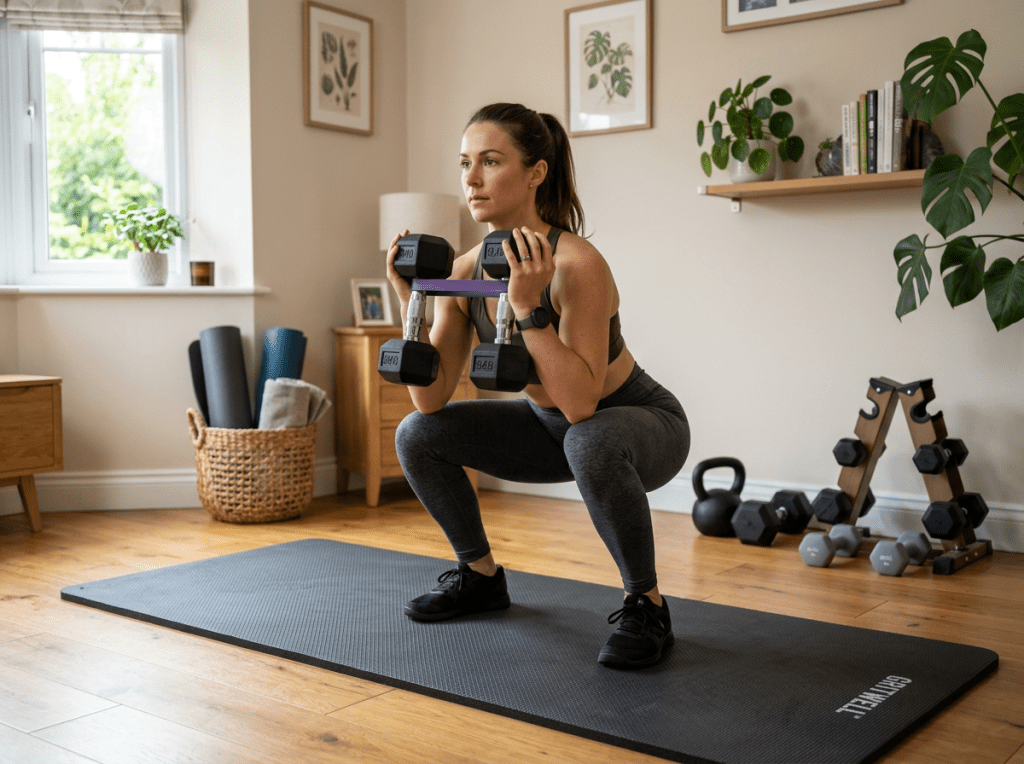


Did you know nearly 54 million Americans are at risk of osteoporosis? This is a big number that shows how important it is to keep our bones strong. Thompson says the key is to mix exercises that make our bones work hard, build muscle, improve balance, and keep our posture right. Doing these four types of exercises can help protect our bones and lower the chance of breaking them.
Having a mix of exercises is good for more than just our bones. It also makes our muscles stronger and helps us move better. This all-around approach is key to keeping our bones healthy for life. By doing exercises that strengthen our bones, build muscle, improve balance, and maintain good posture, we build a strong foundation for our bones. Knowing about these exercises is important for anyone wanting to keep their bones healthy.

Key Takeaways
- 54 million Americans are at risk of osteoporosis.
- Weight-bearing exercises are crucial for bone strength.
- Strength training helps build muscle that supports bones.
- Balance exercises reduce the risk of falls and fractures.
- Posture exercises promote spinal alignment and health.
- A varied exercise routine is essential for lifelong bone health.
The Importance of Exercise for Bone Health
Exercise is key to keeping bones healthy. It strengthens bones by helping them grow and remain dense. This stops bones from getting weak and breaking easily.
Doing different kinds of exercises is good for you. Strength training is very important. It helps build muscles that support bones. This makes bones stronger.
Being able to balance and move well is also crucial. It helps prevent falls, which can break bones, especially in older people.
How Exercise Builds and Maintains Strong Bones
Exercise helps bones in several ways:
- It makes bone cells work better and grow stronger.
- It makes bones denser through activities that involve standing or moving.
- It strengthens muscles, which helps bones stay in shape.
Preventing Osteoporosis and Reducing Fracture Risk
To keep bones from getting weak and to avoid breaks, try these:
- Do exercises that have you standing or moving a lot.
- Make strength training a part of your routine.
- Work on exercises that improve balance and movement.
Weight-Bearing Exercises: Supporting Bone Strength
Weight-bearing exercises help keep your bones strong. They make your bones work to support your body’s weight. It’s key to keep your bones healthy by doing these exercises.
Adding different weight-bearing activities to your routine can boost your bone strength. This is important for your overall health.
Types of Weight-Bearing Activities to Incorporate
Try adding these to your workout:
- Walking
- Hiking
- Climbing stairs
- Running
- Jumping rope
- Playing basketball
These activities move your feet and make your bones work. This helps your bones stay strong. Even light movements like skipping or brisk walking can help.
Benefits of Low, Moderate, and High-Impact Weight-Bearing Exercises
Each level of impact has its own benefits:
- Low-Impact: Walking and marching are easy on your joints but still good for your bones.
- Moderate-Impact: Jogging and racket sports can make your bones stronger without too much strain.
- High-Impact: Sports like basketball and jumping are best for strengthening your bones.
Every type of exercise is good for your bones. Start with low-impact ones, like walking, if you have osteoporosis or fractures. Gradually move to more intense activities to get the best results safely.

Strength Training Exercises: Building the Muscle That Builds the Bone
Strength training is key to keeping bones strong. It’s all about “building the muscle that builds the bone.” This means working your muscles against any force or load. You can use your body, resistance bands, dumbbells, or kettlebells.
Strength training puts stress on your bones. This stress tells your bones to get stronger. Here are some great exercises to try:
- Squats
- Push-ups
- Lunges
- Deadlifts
- Planks
It’s important to keep getting stronger. Start with lighter weights and add more as you get stronger. This will help you keep improving.
To see how different exercises help, check out the table below:
| Exercise | Muscle Groups Targeted | Bone Health Benefits |
|---|---|---|
| Squats | Legs, Glutes | Increases lower-body strength |
| Push-ups | Chest, Arms | Enhances upper body strength |
| Lunges | Legs, Core | Improves balance and stability |
| Deadlifts | Back, Legs | Strengthens the back and posture |
| Planks | Core | Supports overall body strength |
Adding strength training to your routine is crucial. It helps build muscle and supports bone health. Start now to see stronger bones and muscles.

Balance Exercises: Reducing Risk of Falls and Fractures
Good balance and coordination can help prevent falls. Falls can lead to painful fractures, which can limit your activity even more for those with osteoporosis. It’s crucial to improve this skill from learning to walk to old age. Balance exercises are key to keeping you stable and independent.
Balance training is good for everyone, no matter your age. These exercises boost your core strength and improve your body awareness. Doing them regularly can greatly reduce the chance of falls, helping you stay active and healthy.
Balance Training Techniques for All Ages
- Standing on one foot
- Walking heel to toe
- Tai Chi
- Step-ups
Adding these activities to your routine can improve your balance and coordination. Aim to do them a few times a week for the best results.
Examples of Effective Balance Exercises
Here are some effective balance exercises to consider:
- Single-leg stand: Hold onto a chair and lift one leg off the ground. Try to hold the position for 10-30 seconds.
- Heel-to-toe walk: Walk in a straight line, placing the heel of one foot directly in front of the toes of the other.
- Tai Chi: This gentle form of martial arts emphasizes slow, controlled movements that enhance balance.
- Step-ups: Step onto a sturdy platform or step, alternating legs to build strength and stability.

By adding these balance exercises to your daily routine, you can lower your risk of falls. This helps keep your mobility. Start today to protect your bones and improve your quality of life.
Posture Exercises: Protecting Your Spine and Promoting Alignment
Good posture is more than just standing tall. It helps protect your spine by easing strain on your joints, muscles, and tendons. This is crucial for those with spinal fractures or worried about osteoporosis. Adding posture exercises to your routine can greatly boost your spinal health.
These exercises strengthen the muscles that support your spine. They help improve alignment and can ease pain. Regular practice can also enhance balance and overall well-being.
- Improves spinal alignment
- Reduces the risk of back pain
- Enhances overall balance
- Increases awareness of body posture
Here are some effective posture exercises you can try:
- Wall Angels: Stand with your back against a wall and slowly raise your arms.
- Chin Tucks: Gently tuck your chin to your chest while keeping your back straight.
- Shoulder Blade Squeeze: Sit or stand and squeeze your shoulder blades together.
Adding these exercises to your routine is beneficial. They help maintain good posture and protect your spine. A strong posture foundation leads to better overall health.

| Exercise | Benefits | Frequency |
|---|---|---|
| Wall Angels | Improves shoulder mobility | 3 times a week |
| Chin Tucks | Strengthens neck muscles | Daily |
| Shoulder Blade Squeeze | Enhances upper back strength | 3 times a week |
Adding posture exercises to your daily routine can make a big difference in your spinal health. Remember, good posture is key to protecting your bones and overall well-being.
How to Safely Incorporate Bone-Enhancing Exercises Into Your Routine
Adding exercises that boost bone health is key for everyone. Thompson points out that a mix of weight-bearing, strength training, balance, and posture exercises is the secret. Always talk to healthcare providers before starting a new workout plan. They can tailor a plan for you, taking into account any health issues or osteoporosis.
Consulting Healthcare Providers for Personalized Plans
Getting expert advice is crucial for a safe and effective workout. Here are some steps to follow:
- Make an appointment with your doctor or a qualified trainer.
- Share your health and fitness level.
- Get advice on the best exercises for you.
Progression and Frequency Recommendations for Best Results
To get the most from your workouts, focus on increasing intensity and frequency. Aim for:
- At least 150 minutes of moderate activity each week.
- Strength training 2-3 times per week.
- Balance and posture exercises daily to improve stability.
It’s important to build muscle to support your bones. Good balance and coordination can also lower the risk of falls. By following these tips, you’ll strengthen your bones, improve balance, and protect your health.
| Exercise Type | Frequency | Benefits |
|---|---|---|
| Weight-Bearing | 3-5 times per week | Strengthens bones and improves density |
| Strength Training | 2-3 times per week | Builds muscle that supports bone |
| Balance Exercises | Daily | Reduces fall risk and enhances coordination |
| Posture Exercises | 3-4 times per week | Promotes spinal health and alignment |

The Role of Aerobic Exercise in Overall Bone and Muscle Health
Aerobic exercise is key to your bone and muscle health. It doesn’t directly strengthen bones like weight-bearing exercises do. But it greatly boosts your fitness and well-being.
Activities like brisk walking, swimming, cycling, and dancing improve your heart and lung health. They also boost muscle endurance. These benefits indirectly help your skeletal system.
Low-impact movements, such as skipping or brisk walking, help bones renew and strengthen. These activities improve your heart and lung health. They also help maintain a healthy weight, which is good for your bones.
Good balance and coordination also lowers the risk of falls. Aerobic exercise can improve your stability. This reduces the chance of accidents.
- Improves cardiovascular fitness
- Increases muscle endurance
- Supports weight management
- Enhances balance and coordination
To get the most benefits, mix up your aerobic activities. Regularly doing these exercises can strengthen your bones and improve your overall health.
Common Exercise Mistakes That Can Harm Bone Health
Exercise is key to keeping bones strong. But some common mistakes can harm your efforts. Knowing these mistakes helps you exercise safely and effectively.
One big mistake is using the wrong technique in weight-bearing exercises. This can cause injuries and fractures. It’s crucial to learn the right way to do each exercise. Strong muscles are vital for bone support and for reducing injury risk.
Another error is jumping into high-impact activities too quickly. It’s better to increase intensity slowly. Skipping this can lead to stress fractures. Good balance and coordination are also important to avoid falls.
Ignoring balance and posture exercises is another common mistake. These are key to bone health. Always get advice from healthcare professionals. They can create a safe exercise plan just for you.
- Use proper technique in all exercises.
- Progress gradually to high-impact activities.
- Incorporate balance and posture exercises.
- Consult healthcare providers for personalized plans.

Four Forms of Exercise We Should All Be Doing to Protect Our Bones
Thompson says the secret to strong bones is a mix of exercises. These include weight-bearing, strength training, balance, and posture. Each one is key to keeping bones healthy and preventing fractures.
To keep your bones strong, add these exercises to your routine:
- Weight-bearing exercises
- Strength training exercises
- Balance exercises
- Posture exercises
Each exercise type has its own role:
- Weight-bearing exercises make bones grow by working against gravity.
- Strength training exercises build muscles that support your bones, making you more stable.
- Balance exercises lower the chance of falls, which can cause fractures.
- Posture exercises protect your spine and keep it aligned, easing bone strain.
Doing all these exercises together is the best way to keep your bones strong. This mix helps you stay strong and flexible as you get older.
| Exercise Type | Benefits |
|---|---|
| Weight-bearing exercises | Stimulates bone growth and strength |
| Strength training exercises | Builds muscle and supports bone structure |
| Balance exercises | Reduces fall risk and improves stability |
| Posture exercises | Enhances alignment and spinal health |
Conclusion
Keeping your bones healthy is vital for a good life. It’s important to do the four main exercises regularly to protect your bones. Weight-bearing exercises help strengthen your bones by stimulating growth and maintaining bone density.
Strength training is also key. It builds muscle, which in turn strengthens your bones. This boosts your overall strength and supports your bones. Balance and posture exercises also help prevent falls and fractures by improving coordination.
Make these exercises part of your life to keep your bones strong. Talk to healthcare experts to get a plan that suits you. With effort and the right plan, you can have strong bones and live more actively.





 trim down and shape up
Leave a comment