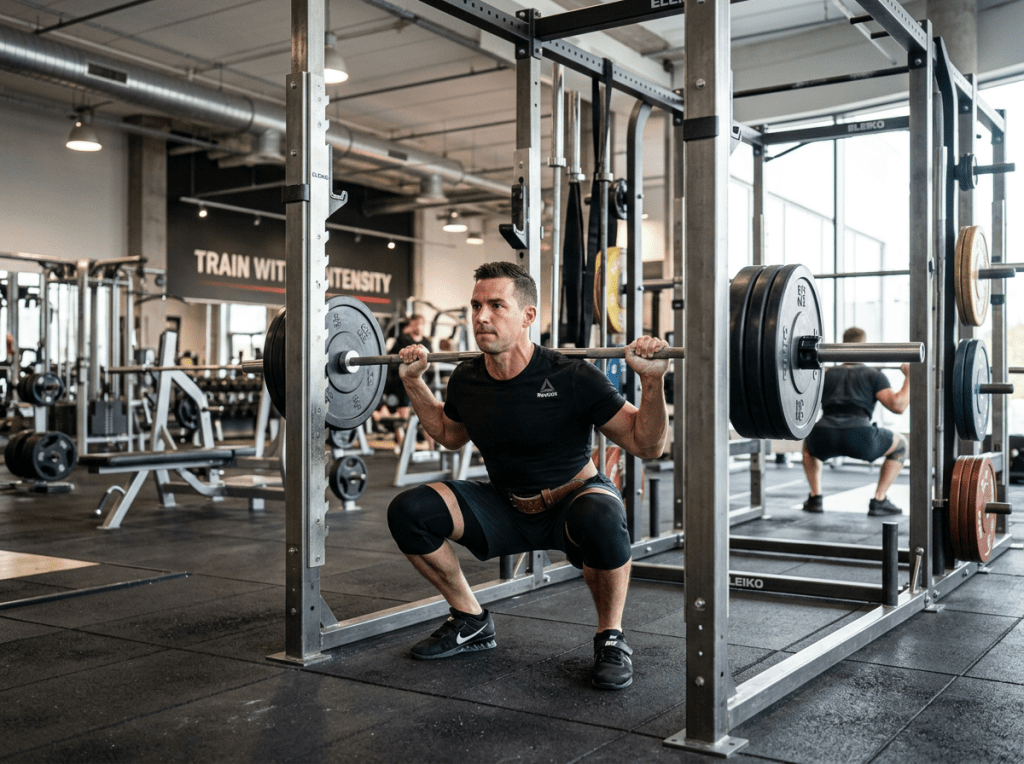


Ever thought about whether building muscle also strengthens bones? This idea might shake what you believe about staying fit and healthy. While we know strength training is key for muscles, it’s also vital for bones.
Studies show that exercises that challenge your bones, such as weight training, can stimulate bone growth. This process is slower than muscle growth but just as important. Having strong muscles helps strengthen bones, so it’s key to add the right exercises to your routine.
In this article, we’ll dive into the science of building bones and how it differs from muscle growth. We’ll also look at how to keep your bones healthy as you get older. By grasping these concepts, you can take steps to protect your independence and health for years to come.

Key Takeaways
- Strength training is vital for both muscle and bone health.
- Bone responds to mechanical stress by becoming denser.
- Incorporating weight-bearing exercises is key for bone strength.
- Bone building is a slower process than muscle growth.
- Knowing which nutrients are important for bone health is important.
Understanding Bone as Living, Adaptable Tissue
Your bones are not just hard structures; they are living, changing tissues. Knowing this is key to improving your bone health.
Bones are made of a mix of materials. They have collagen fibers for flexibility and mineral crystals, like calcium phosphate, for stiffness. This mix makes bones strong yet flexible.
What Your Bones Are Made Of
Bones are designed to be both strong and flexible. The collagen fibers give them toughness and flexibility. The mineral crystals add the needed stiffness. This balance helps bones work well under stress.
The Constant Remodeling Process
Bones are always changing through breakdown and rebuilding. This keeps bone density up and fixes damage. Osteoclasts break down old bone, while osteoblasts build new tissue. This cycle keeps your bones healthy and strong.
Why Bone Responds to Mechanical Stress
Bones adapt to stress as a survival strategy. When you apply stress, osteocytes sense it and tell osteoblasts to build more bone. This makes bones denser and stronger. Without enough stress, bones can lose mass.
“Bone possesses an inherent biological system to elicit bone formation in response to high mechanical strains.”
Seeing bones as living, adaptable tissues is the first step to better bone health. By understanding their dynamic nature, you can choose activities that strengthen bones.
| Bone Component | Function | Importance |
|---|---|---|
| Collagen Fibers | Provide flexibility | Help bones absorb stress |
| Calcium Phosphate | Add stiffness | Essential for bone strength |
| Osteoclasts | Break down old bone | Facilitate remodeling |
| Osteoblasts | Build new bone | Increase bone density |
| Osteocytes | Sense mechanical strain | Regulate remodeling process |
How Bone Differs From Muscle: Three Key Differences
It’s important to know how bone and muscle are different. They react to exercise in unique ways. Here are three main differences that affect your bone health and strength.
Speed of Adaptation
Bone growth is slower than muscle. Changes in bone density take three to twelve months, with small numbers. Muscle gains can be seen in weeks, but bone density improves slowly, 1% to 3% per year with consistent effort.
This slow pace shows the need for patience and dedication in your workouts.
The Role of Peak Bone Mass
Peak bone mass is reached by age 30. After that, you focus on keeping your bone density, not increasing it. Think of your bones like a retirement fund: you build it up in your youth, and then you focus on keeping it from shrinking.
After 40, bone loss speeds up, about 1% per year. This is why preserving bone is critical, not just for women but for everyone.
Defense Versus Offense
Bone health is mostly about defense, not offense. As you get older, the risk of losing bone increases, more so for women after menopause. This is because of lower estrogen levels.
Setting realistic goals is important. Holding off bone loss is a victory. Every workout helps protect your bones from future damage.

The Science Behind Bone Building
Bone building science focuses on how stress affects bone growth. Knowing this can help you choose better physical activities. When you push your bones harder than usual, they respond in amazing ways.
Mechanical loading is the key to bone growth. The Mechanostat theory posits that bones grow more in areas of high stress, such as the periosteal surface. Activities that stress your bones trigger special cells called osteocytes. These cells are vital for bone health.
How Mechanical Loading Triggers Bone Formation
When stress hits your bones, osteocytes send signals. These signals reduce levels of a protein called sclerostin, which inhibits bone growth. With sclerostin down, the Wnt/β-catenin pathway kicks in. This makes bone-building cells called osteoblasts work harder.
Osteoblasts then build denser bone where the stress was highest. At the same time, bone-resorbing cells called osteoclasts slow down. This balance boosts your bone mineral density.
Understanding Resorption and Formation Balance
To grow your bones, you need to vary your exercise. Bones adapt quickly to the same moves, so change up your routine. Short, intense workouts with breaks in between are better than long, steady ones. This smart training sends signals to strengthen your bones.
| Loading Type | Effect on Bone Formation | Recommended Duration |
|---|---|---|
| Dynamic Loading | Increases osteoblast activity | Short bouts with rest |
| Static Loading | Minimal effect | Long duration |
| Varying Direction | Enhances overall bone density | Regularly change exercises |

Resistance Training: The Core of Bone Building
To strengthen your bones, focus on resistance training. It’s not just for muscles; it’s key for bone density and health. Aim for two to three challenging sessions a week to load your bones and stimulate growth.
Why Lifting Weights Works for Bones
Lifting weights targets areas prone to fractures, such as the hips, spine, and wrists. When muscles contract against resistance, they tug on bones, sending signals for growth. But the load must exceed daily activities to stimulate bone adaptation.
Optimal Training Frequency and Intensity
For bone health, train two to three times a week. Each session should be intense, around 80% to 85% of your maximum lift. Choose weights for 8 to 12 reps with proper form. This consistent challenge strengthens bones over time.
Best Exercises for Bone Loading
Focus on exercises that target large muscle groups, such as those around the hips and spine. Include:
- Weighted lunges
- Squats
- Deadlifts
- Hip abduction/adduction
- Back extensions
Power training also boosts muscle strength and performance, indirectly helping bones.
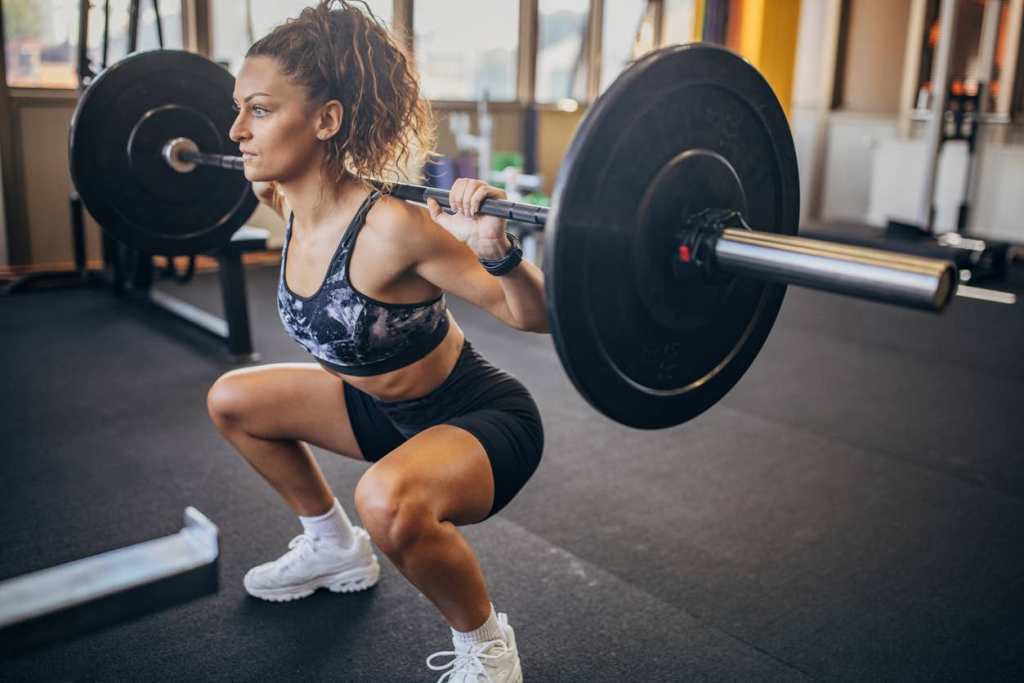
Beginners, start with bodyweight or light weights and increase gradually. Consistency and progressive overload are essential for bone growth.
Impact Exercises: Adding a Second Stimulus
Want stronger bones? Impact exercises are the secret sauce of success. They add a vital second stimulus to your bone health, alongside resistance training. Unlike weights, which pull on bones through muscles, impact exercises push force directly into your bones.
Jumping or hopping puts a quick, strong force on your bones. This force goes up your legs and spine. It’s a signal for your bones to get stronger.
Why Jumping Signals Bone to Strengthen
Jumping is great for bones. It puts a lot of stress on bones, making them grow stronger. This is important as you get older or if you’re at risk of losing bone density.
Activities That Work Versus Those That Do Not
Not all exercises are good for bones. High-impact activities like jogging, dancing, and vibration platforms help. But some activities don’t do much for bones. For example:
| Activity | Impact on Bone Health | Notes |
|---|---|---|
| Jumping | High | Effective for bone strengthening |
| Swimming | Low | Non-weight-bearing, minimal impact |
| Cycling | Low | Non-weight-bearing, minimal impact |
| Walking | Moderate | Not enough for significant bone adaptation |
| Running | High | Effective for bone strengthening |
Swimming and cycling don’t help bones much because they don’t have enough impact. Walking is good for your heart but doesn’t strengthen your bones.
Incorporating Impact Safely
Start with low-level plyometrics like hopping or step-ups. Only move up if you feel no pain. If you have weak bones, be careful or avoid high-impact moves. Always talk to a pro before starting new exercises.
Adding impact exercises is key to building strong bones. With resistance training, you can make your bones even stronger. This improves your overall health and well-being.

Essential Nutrients for Bone Health
To build strong bones, you need to fuel your body with essential nutrients. The most critical components for bone health are calcium, vitamin D, and protein. Each plays a unique role in ensuring your bones remain strong and resilient.
Calcium: The Raw Material for Bone Matrix
Calcium is the primary mineral that gives your bones their hardness. It is essential for maintaining bone density and strength. The World Health Organization recommends 500 to 700 milligrams of calcium per day for most adults. U.S. guidelines suggest that women over 50 and men over 70 should aim for 1,200 milligrams daily.
Good sources of calcium include:
- Skim milk
- Low-fat yogurt
- Canned salmon with bones
- Fortified orange juice
Vitamin D: Enabling Calcium Absorption
Vitamin D is critical because it helps your body absorb calcium effectively. Without enough vitamin D, much of the calcium you consume may go unused. The recommended daily intake is 15 micrograms for adults aged 19 to 70, increasing to 20 micrograms for those over 71.
Excellent sources of vitamin D include:
- Fatty fish like salmon
- Egg yolks
- Fortified foods
Protein: Building the Framework
Protein is another vital nutrient for bone health, as bones are made up of approximately 35% protein. Adequate protein intake supports both bone repair and the muscle mass needed to load bones effectively. A protein-rich diet helps provide the framework for mineral deposition.
Consider incorporating these protein-rich foods into your diet:
- Lean meats
- Dairy products
- Legumes
- Nuts
| Nutrient | Recommended Daily Intake | Food Sources |
|---|---|---|
| Calcium | 500-1200 mg | Skim milk, yogurt, salmon, fortified orange juice |
| Vitamin D | 15-20 mcg | Fatty fish, egg yolks, fortified foods |
| Protein | Varies (50-70 g) | Lean meats, dairy, legumes, nuts |
Remember, while supplements can help fill nutritional gaps, whole foods provide a synergistic mix of nutrients vital to your bone health. Without these raw materials—calcium, vitamin D, and enough protein—your efforts to strengthen your bones may stall.

Who Benefits Most From Bone-Strengthening Exercise
Bone-strengthening exercises are key for many, as we get older. Knowing who needs them most helps in planning your workout. Some groups face a higher risk of bone loss and fractures, making these exercises vital.
Women After Menopause
For women, the years after menopause are critical. Estrogen levels drop sharply, leading to a loss of up to 5% of bone mass in a few years. This can increase the risk of osteoporosis, affecting eight million women in the U.S.
Doing bone-strengthening exercises can help lower this risk. As one expert notes,
“Holding the line on bone density is a win for women post-menopause.”
Adding resistance and impact exercises to your routine can help keep or even boost bone density.
Individuals With Osteopenia or Osteoporosis
If you have osteopenia or osteoporosis, you’re at a pivotal point. The right exercise can slow down or even reverse bone loss. Resistance and impact exercises can help keep or increase bone mineral density, which is key for reducing fracture risk.
For those with osteoporosis, tailored training can improve bone density, mainly in the hip and spine. It also builds muscle strength and balance, vital for preventing falls—the main cause of fractures in older adults.
Anyone Over 40 Looking to Preserve Bone Mass
Most adults start losing bone steadily after 40. This loss, about 1% per year, highlights the need for proactive steps. If you’re over 40 and healthy, adding bone-loading exercises to your life is your best defense against bone loss.
In summary, whether you’re a woman after menopause, have low bone density, or are over 40, bone-strengthening exercises are essential. The data shows that regular resistance and impact exercises can preserve your independence and quality of life. Not exercising only speeds up bone loss, making it critical to stay active.

Safety Considerations and Medical Guidance
Before starting your bone-building journey, it’s vital to follow safety and medical advice. For most people with low bone density, avoiding exercise carries more risk than carefully training. Not moving can cause bone and muscle loss, which is dangerous.
If you have osteopenia or are at high risk for fractures, consult your doctor before starting any new exercise. A doctor can assess your bone health and may recommend a bone density scan. This is important if you’ve had a fracture or severe osteoporosis.
After getting medical clearance, work with a qualified expert, such as a physical therapist or certified strength coach. They can create a safe workout plan for you. This plan should avoid high-impact exercises that could harm your bones.
Your workouts should include controlled movements and balance exercises. Focus on exercises that strengthen your hips and spine. This way, you can safely build bone strength without risking injury.

By carefully choosing your exercises, you can protect your bones well. The right exercises, done correctly, are powerful for keeping and improving bone health.
Conclusion
Building bone density is possible, just like building muscle. Your bones get stronger with mechanical stress. This process might take longer than muscle growth does, especially after your thirties.
The secret to success is simple. Lift heavy weights two to three times a week. Add exercises that impact your body. And make sure you give your body the nutrients it needs.
Resistance training is key. It puts stress on your bones, telling them to get stronger. Jumping and other impact exercises boost this effect. Also, don’t overlook nutrition. Calcium, vitamin D, and protein are essential for strong bones.
This method is great for women after menopause and those with low bone density. But it’s good for anyone over 40. Keeping your bones healthy is vital to avoid bone loss with age. Even small gains in bone density can greatly reduce fracture risks and keep you independent.
This article is for education, not medical advice. Always talk to a doctor before starting new exercises, especially if you have osteopenia or osteoporosis. Working with experts can help make a safe and effective plan. Your bones are listening—send them the right signals.
FAQ
Can I really build bone like I build muscle?
Yes, you can build bone, but it’s slower than muscle growth. Bone is a living tissue that gets denser with stress.
How long does it take to see changes in bone density?
You’ll see changes in bone density in three to twelve months. Gains are usually 1% to 3% per year with regular training.
What types of exercises are best for building bone?
Resistance training is key, done two to three times a week with heavy weights. High-impact exercises like jumping also help strengthen bones.
What nutrients are essential for bone health?
Calcium, vitamin D, and protein are vital. Calcium makes bones hard, vitamin D helps the body absorb it, and protein supports bones and muscles.
Who should focus on bone-strengthening exercises?
Women after menopause, those with osteopenia or osteoporosis, and anyone over 40 should focus on these exercises.
Is it safe to exercise if I have low bone density?
Most people with low bone density should exercise rather than avoid it. Always check with a doctor before starting a new exercise program, though.
How can I incorporate impact exercises safely?
Start with low-level plyometrics, such as two-footed hops or step-ups. Only increase if you feel no pain. Always consult a professional if unsure.
What should I do if I have sustained a fragility fracture?
If you’ve had a fragility fracture, get medical clearance before exercising. Your doctor might suggest a bone density scan.
What is the role of osteoblasts in bone building?
Osteoblasts are cells that build bone in response to stress. They’re key for increasing bone density and fixing damage.
How does resistance training benefit bone health?
Resistance training sends a strong signal to bones to get stronger. It’s great for areas like the hip, spine, and wrist.




Leave a Reply