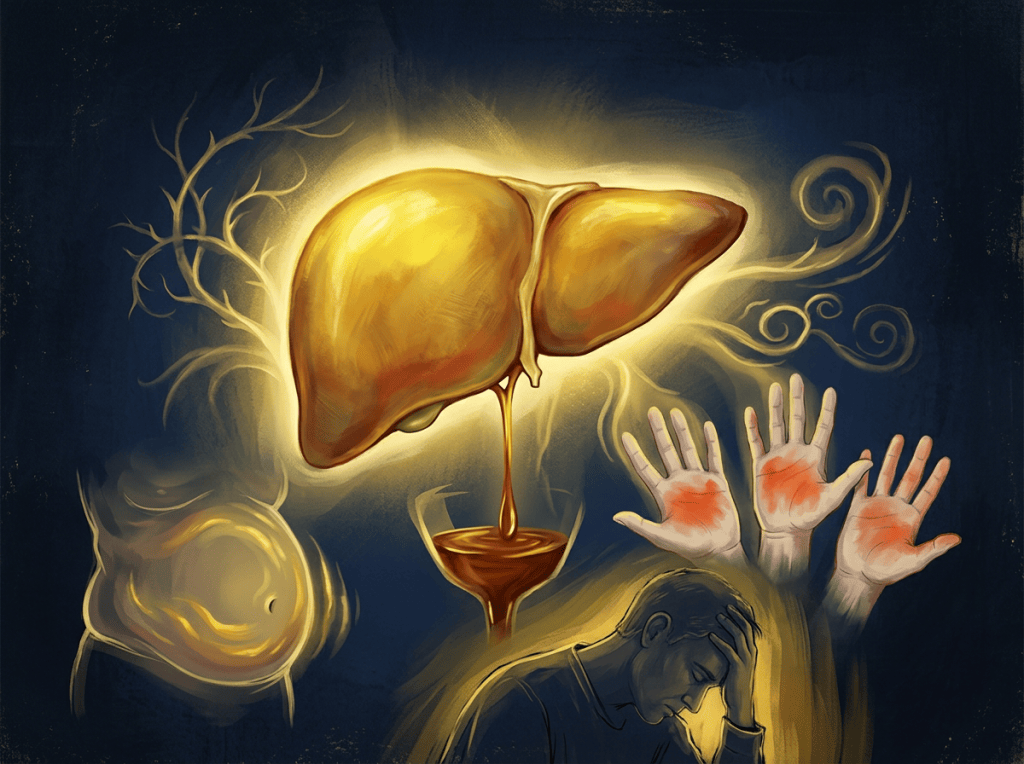


Liver disease is becoming more common, even among younger adults. This is a worrying trend. It shows how important it is to know about the liver’s role in our health.
The liver is about the size of a football. It does many important jobs, like cleaning your blood and helping with digestion. It makes bile to help with digestion.
The liver is key to keeping us healthy. But liver damage often goes unnoticed until it’s serious. Knowing the four stages of liver damage can help you act early.
By watching for warning signs, you can keep your liver healthy. In this article, we’ll look at signs that your liver might not be working right. Stay alert and keep your liver healthy for a full life.

Key Takeaways
- Liver disease is on the rise, even among younger adults.
- The liver performs vital functions, such as filtering blood and aiding digestion.
- Knowing warning signs can help prevent serious liver damage.
- There are four stages of liver damage: inflammation, fibrosis, cirrhosis, and ESLD.
- Listening to your body’s signals is key to liver health.
Why Your Liver Health Deserves Your Attention
Your liver is a remarkable organ, often overlooked. It’s the size of a football and is your body’s largest internal organ. It filters harmful substances from your blood and produces bile for digestion. It also stores sugar for energy and supports your immune system and metabolism.
Unfortunately, many people ignore their liver health. With liver disease on the rise, it’s key to know the signs of liver damage. Dr. Themis Kourkoumpetis, a transplant hepatologist at Baylor Scott & White All Saints Medical Center – Fort Worth, says our lifestyle choices harm our liver. He notes,
“It’s because of our lifestyle. We aren’t getting enough exercise, we’re drinking too much soda, and we’re eating a large amount of fast food.”
Liver damage comes from many causes. Chronic alcohol use, viral hepatitis, and non-alcoholic fatty liver disease are common. Autoimmune diseases, genetic disorders, and conditions affecting bile ducts also cause liver issues. Exposure to toxins and certain medications, as well as chronic conditions like Wilson’s disease and hemochromatosis, pose risks.
It’s vital to focus on your liver health. The liver works silently, so you might not notice problems until they’re serious. By knowing the warning signs, you can protect this vital organ.

Skin and Eye Warning Signs to Watch For
Your liver health shows in your skin and eyes. Spotting these signs early is key to catching liver problems. We’ll look at jaundice, red palms, and spiderlike blood vessels. Knowing these symptoms can prompt you to act fast for your health.
1. Yellowing of the Skin or Eyes (Jaundice)
What Jaundice Looks Like
Jaundice makes your skin and eyes look yellow. This color can get darker in sunlight. If you see this, don’t ignore it.
Why Your Liver Causes It
Your liver breaks down bilirubin, a yellow pigment. If it can’t, bilirubin builds up. This is why you see yellow in jaundice.
When to Take It Seriously
Jaundice is a big warning sign. It can mean liver diseases like hepatitis or cirrhosis. Get medical help right away to catch problems early.
2. Red Palms (Palmar Erythema)
What Red Palms Look Like
Red palms look flushed or warm. They’re more noticeable in the hand’s fleshy parts and might swell a bit.
Why Your Liver Causes It
Red palms happen when your liver messes with hormones. This can cause blood vessels to dilate, resulting in the red color.
3. Spiderlike Blood Vessels on the Skin (Spider Angiomas)
What Spider Angiomas Look Like
Spider angiomas look like tiny spiders on your skin. They’re red or purple and stand out, mainly on lighter skin.
Why Your Liver Causes Them
These spots happen when your liver can’t control blood flow and hormones. Hormonal imbalances can cause them, showing liver problems need checking.

Digestive Warning Signs You Shouldn’t Ignore
Your liver is key to digestion. Any problem can cause noticeable symptoms. It’s important to watch for signs like loss of appetite, nausea, persistent vomiting, and pale stools.
4. Loss of Appetite
How It Shows Up Day to Day
A loss of appetite means you don’t want to eat or feel full even when you haven’t eaten much. You might skip meals or not feel like cooking. This can be a serious health issue.
The Liver Connection
A damaged liver can mess with your metabolism, causing a lack of appetite. Without proper liver function, you might feel sick to your stomach when you eat. This can lead to malnutrition and weight loss.
5. Nausea
How It Shows Up Day to Day
Nausea is an unpleasant feeling that can occur after eating or when you haven’t eaten. It makes eating hard and can make you feel queasy.
The Liver Connection
Your liver makes bile, which breaks down fats. Without enough bile, you might feel nauseous. This is a sign your liver needs help.
6. Persistent Vomiting
How It Shows Up Day to Day
Persistent vomiting is serious. If you vomit a lot, it could mean something is wrong that needs medical help.
The Liver Connection
Damage to the liver can cause high blood pressure in veins near your stomach. This can lead to vomiting blood. If you see blood in your vomit, get medical help right away.
7. Pale Stools
How It Shows Up Day to Day
Pale stools are light yellow or clay-colored, unlike the usual brown. This is a sign you shouldn’t ignore.
The Liver Connection
The liver produces bile salts that give your stools their brown color. If the liver isn’t working right, stools can turn pale. This means your liver might be in trouble and you should see a doctor.

Energy and Weight Warning Signs
Two key signs to watch for in your liver health are unusual tiredness and unexplained weight loss. These symptoms can really impact your daily life. It’s important to know what they mean.
8. Unusual Tiredness
How Liver-Related Fatigue Feels
Unusual tiredness from liver problems is different from regular tiredness. It’s a deep, lasting exhaustion. Even simple tasks feel hard, and you stay tired all day.
The Liver Connection
This tiredness comes from the liver not filtering toxins well. When the liver is sick, it can’t distribute nutrients right. This makes you feel unwell. Also, without glycogen, your body uses muscle for energy, making you weaker.
9. Unexplained Weight Loss
How It Shows Up
Seeing unexplained weight loss can be scary, without diet or exercise changes. You might notice less muscle mass, which is worrying.
The Liver Connection
The liver is key in nutrient processing. Damage leads to malnutrition, as nutrients aren’t absorbed well. A drop in appetite makes it tough to keep a healthy weight. Unexpected weight loss with muscle loss is a major warning sign.

Pain and Swelling Warning Signs
Pain or swelling could mean your liver has issues. These signs suggest your liver might not be working properly. Knowing these symptoms and their link to liver health is key for early action.
10. Pain in the Upper Right Abdomen
What the Pain Feels Like
The pain in the upper right can feel sharp or dull. It might get worse when you breathe deeply or touch it. You might also feel tenderness around the liver, which is under your right rib cage.
The Liver Connection
This pain usually comes from liver inflammation or damage. Liver problems can cause swelling and fluid buildup in the belly. If the pain lasts, see a doctor.
11. Swelling in the Belly (Ascites)
What Abdominal Swelling Looks Like
Ascites makes your belly look bigger than usual. In bad cases, it can look like a pregnant belly. This swelling is from fluid buildup, making it hard to eat or breathe.
The Liver Connection
Ascites is often from liver damage. The liver can’t handle fluid balance, leading to up to 30 liters of fluid in the belly. If you see swelling, get medical help.
12. Swelling in the Legs, Ankles, or Feet (Edema)
What the Swelling Looks Like
Edema makes your legs, ankles, or feet look puffy or feel heavy. You might see dents in your skin after pressing on it. This can make moving hard.
The Liver Connection
Edema happens when the liver can’t manage body fluids. A weak liver causes fluid retention, leading to swelling in your legs. If you have this symptom, talk to your doctor.

Bleeding and Bruising Warning Signs
Your liver is key in blood clotting. Seeing signs of easy bruising or bleeding can be a sign of trouble. If your liver is hurt, it might not make enough clotting factors. These are vital for stopping blood from flowing.
13. Easy Bruising
What to Look For
Easy bruising means bruises appear from small bumps or for no reason. These bruises might take longer to heal. This can be a worry.
The Liver Connection
The liver makes proteins for blood clotting. If it’s not working right, you might bruise easily. This is common in cirrhosis, where the liver can’t make these proteins well.
14. Easy Bleeding
What to Look For
Easy bleeding shows as cuts that won’t stop bleeding, frequent nosebleeds, or bleeding gums. These signs mean your blood might not clot right.
The Liver Connection
Like bruising, easy bleeding is linked to the liver’s production of clotting factors. A damaged liver means severe bleeding from small injuries. Always get a doctor’s okay before any procedures, like dental work, because of this risk.

Cognitive and Neurological Warning Signs
Your liver’s health affects your brain. If your liver isn’t working right, toxins can build up. This can cause serious problems like mental confusion and shaking hands.
15. Mental Confusion (Hepatic Encephalopathy)
How It Shows Up
Mental confusion can show as brain fog, feeling lost, and trouble focusing. You might forget things or act differently. These issues can really mess up your life and how you feel.
The Liver Connection
This problem, called hepatic encephalopathy, occurs when toxins build up due to liver dysfunction. Your liver usually gets rid of this bad stuff. But if it can’t, they harm your brain. Doctors might use lactulose syrup to help clear these toxins from your bowels.
16. Trembling Hands
How It Shows Up
Shaking hands can be a sign of liver problems. You might notice your hands shaking, making it hard to hold things. This can really upset you and make everyday tasks hard.
The Liver Connection
The shaking is often because of toxins affecting your nerves. If your liver can’t detox, you might get these symptoms. Spotting these signs early is key to dealing with liver issues.

Other Physical Warning Signs Worth Noting
There are more signs of liver trouble than just the usual ones. These symptoms might not be as well-known, but they’re just as important to watch for. Here are four more signs to keep an eye on:
17. Dark Urine
What to Look For
Dark urine could mean trouble. If your urine looks brown, orange, or amber, it’s a sign. This color change usually means there’s too much bilirubin in your body.
The Liver Connection
Your liver helps break down bilirubin. If it’s not working right, bilirubin builds up. This leads to dark urine, which can tell you your liver might need help.
18. Persistent Itchy Skin (Pruritus)
What Itchy Skin Feels Like
Itchy skin can be more than annoying. It might mean there’s something wrong with your health. If itching doesn’t go away with usual treatments, listen to your body.
The Liver Connection
Itching often comes from bile salts in your blood. These salts can irritate your skin’s nerves, causing intense itching. This could mean your liver isn’t working right.
19. Shortness of Breath
How It Shows Up
Shortness of breath can sneak up on you, even when you’re not doing much. If you’re having trouble breathing or feel winded without trying, don’t ignore it.
The Liver Connection
This symptom might occur if fluid builds up in your body due to liver trouble. It’s a big worry for people with cirrhosis. You should see a doctor right away.
20. Bad Breath or Musty Mouth Odor (Fetor Hepaticus)
What It Smells Like
Do you have a sweet, musty, or foul smell on your breath? This smell, called fetor hepaticus, can be a sign of liver issues.
The Liver Connection
This smell comes from your liver not filtering out certain compounds. When these compounds are exhaled, they create a distinctive and worrying odor. You should check it out with a doctor.

When to See a Doctor About Liver Concerns
Knowing when to see a doctor about liver issues is key for your health. Many symptoms seem minor at first but can be serious. Here are important signs to see a doctor:
- Fever and shivering: These can signal an infection or inflammation.
- Shortness of breath: This may indicate fluid buildup or other complications.
- Vomiting blood: This is a serious symptom that requires immediate care.
- Very dark or black, tarry stools: This can suggest internal bleeding.
- Periods of confusion or drowsiness: These symptoms may indicate hepatic encephalopathy.
Seek immediate medical help if you notice:
- Yellowing of the skin or eyes (jaundice): This indicates liver dysfunction.
- Fluid buildup in the abdomen (ascites): This can lead to serious complications.
- Swelling in the arms or legs (edema): Another sign of liver issues.
- Black stools or vomiting blood: These symptoms require urgent attention.
- Mental confusion or shortness of breath: These can be critical signs of liver failure.
Early detection is vital. Liver damage often doesn’t show symptoms until it’s advanced. Regular checkups and blood tests are essential for catching issues early. Taking action when you notice any concerning symptoms can lead to better treatment outcomes and potentially save your life.

How to Support a Healthy Liver Every Day
Your liver is key to your health. There are easy ways to help it every day. Making smart choices can really help.
Here are some effective ways to promote liver health:
- Reduce Alcohol Intake: Drinking less is important. Try not to have more than 14 units a week. Spread it out over three or more days. If you have liver problems, don’t drink at all.
- Eat a Balanced Diet: Eat lots of fruits, veggies, whole grains, and lean proteins. A good diet helps your liver work better and can fix some damage.
- Maintain a Healthy Weight: Losing a bit of weight can help your liver. Regular exercise can help you lose weight.
- Stay Hydrated: Drinking enough water helps your liver and helps it get rid of toxins.
- Follow Medical Advice: If you’re taking medicine for liver problems, take it as told. It helps your liver get better.
Liver “detoxes” don’t really help with liver disease. Focus on lasting lifestyle changes. Dr. Kourkoumpetis says,
“I want to inspire my patients to be proactive. If they make good choices, the benefits to their liver can last for decades.”
Starting these habits early helps your liver heal and stay healthy. Remember, some big signs can warn you of liver problems. We’re here to explain the most obvious ones.

The 20 Warning Signs Your Liver Isn’t Functioning Correctly: A Quick Recap
Knowing the signs that your liver might not be working right is key to your health. Spotting these signs early can greatly improve your treatment and health. Here’s a quick look at the 20 warning signs your liver isn’t functioning correctly, organized by category for your convenience:
Skin and Eye Signs
- 1. Yellowing of the Skin or Eyes (Jaundice)
- 2. Red Palms (Palmar Erythema)
- 3. Spiderlike Blood Vessels on the Skin (Spider Angiomas)
Digestive Signs
- 4. Loss of Appetite
- 5. Nausea
- 6. Persistent Vomiting
- 7. Pale Stools
Energy and Weight Signs
- 8. Unusual Tiredness
- 9. Unexplained Weight Loss
Pain and Swelling Signs
- 10. Pain in the Upper Right Abdomen
- 11. Swelling in the Belly (Ascites)
- 12. Swelling in the Legs, Ankles, or Feet (Edema)
Bleeding and Bruising Signs
- 13. Easy Bruising
- 14. Easy Bleeding
Cognitive and Neurological Signs
- 15. Mental Confusion (Hepatic Encephalopathy)
- 16. Trembling Hands
Other Physical Signs
- 17. Dark Urine
- 18. Persistent Itchy Skin (Pruritus)
- 19. Shortness of Breath
- 20. Bad Breath or Musty Mouth Odor (Fetor Hepaticus)
By knowing these signs, you can act fast if needed. Remember, catching these symptoms early is vital for your health.

Conclusion
Your liver is key to your health. Knowing the 20 warning signs that it’s not working right is important. Many ignore liver problems until it’s too late, like cirrhosis. Catching issues early can greatly improve your treatment options.
The liver can heal itself in the early stages of damage. Making lifestyle changes now can benefit you for a long time. Listen to your body’s signals. If you see any warning signs, see a doctor.
Regular visits to your doctor can keep an eye on your liver. Eating well, drinking plenty of water, and cutting down on alcohol are good steps. You can make a big difference in your liver health.
Acting now can lead to a healthier future. Stay alert, stay informed, and focus on your liver health. Recognizing liver problems early is the first step to protecting your health.


 trim down and shape up
Leave a comment