

Have you ever thought about how diabetes might affect your hearing? The American Diabetes Association (ADA) says over five million Black Americans over 20 have diabetes. This is more common than you might think. You might not even notice the early signs of diabetic complications like hearing loss.
In the United States, over 40 million people have diabetes. Studies show hearing loss is twice as common in people with diabetes. The symptoms can be very subtle. This section will explore how diabetes and hearing health are connected. It’s important to notice any changes in hearing if you have diabetes or prediabetes.

Key Takeaways
- Diabetes affects millions of Americans, increasing the risk of hearing loss.
- Hearing loss can occur without noticeable symptoms.
- Understanding the connection between diabetes and hearing health is essential.
- Monitoring your hearing can help catch complications early.
- Preventing and managing diabetes can protect your hearing.
The Prevalence of Hearing Loss Among People with Diabetes
It’s important to know how diabetes can affect your hearing. Many people with diabetes face hearing loss. Studies show that hearing loss is more common in this group.
Statistics on Diabetes and Hearing Loss in the U.S.
Research shows that people with diabetes are twice as likely to have hearing loss. Managing blood sugar levels is key. Here are some important statistics:
- People with diabetes experience hearing loss at a rate of 54%.
- Those with prediabetes have a 30% higher risk of hearing loss than those with normal blood sugar levels.
- Only 25% of non-diabetic individuals report hearing loss.
Comparison Between Diabetic, Prediabetic, and Non-Diabetic Populations
The rates of hearing loss vary among different groups. Knowing these differences helps in the early detection and management of hearing issues.
| Population | Hearing Loss Rate |
|---|---|
| Diabetic | 54% |
| Prediabetic | 30% higher than normal |
| Non-Diabetic | 25% |
These statistics show that nerve damage is a known effect of diabetes. If not managed, it can lead to hearing loss. It’s crucial to monitor your hearing health for overall well-being.
How Diabetes Affects Your Hearing: Understanding the Connection
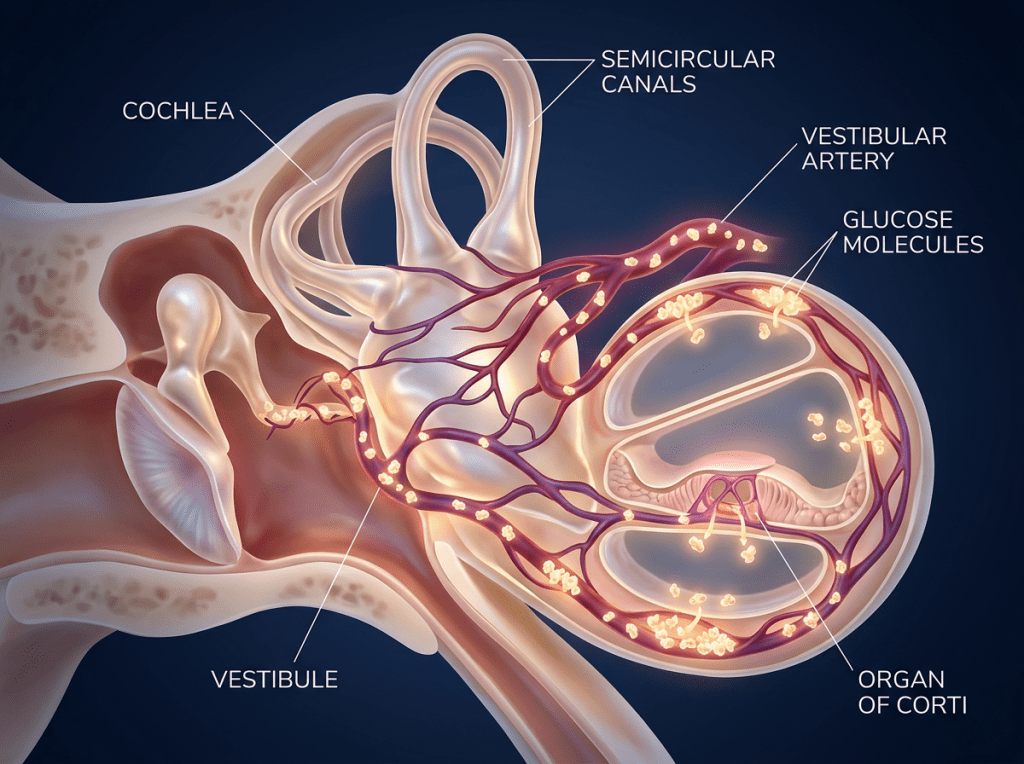
It’s key to know how diabetes impacts your hearing for your overall health. Blood sugar levels are crucial for your ears. Both high and low blood sugar can harm the nerves that carry sound signals from your inner ear to your brain. This nerve damage is a known effect of diabetes, especially if it’s not managed well.

Fluctuating blood sugar levels can harm your inner ear’s delicate structures. This can cause hearing loss over time. It’s important to understand the link between diabetes and hearing loss.
The Impact of High and Low Blood Sugar on Auditory Nerve Function
High and low blood sugar levels can affect your auditory nerves in several ways:
- High blood sugar can damage nerves, making it hard for them to send signals properly.
- Low blood sugar can cause temporary hearing problems due to reduced energy in nerve cells.
- Chronic changes can damage your auditory pathways over time.
Role of Small Blood Vessel Damage in the Inner Ear
Diabetes can also harm small blood vessels in the inner ear. This damage is similar to how diabetes affects blood vessels in the eyes and kidneys. The effects include:
- Less blood flow to the inner ear, leading to poor function.
- A higher risk of hearing loss over time.
- Possible permanent damage if blood sugar levels aren’t controlled.
Understanding these connections shows why managing your blood sugar is so important. Taking steps to control diabetes can help protect your hearing.
Signs of Hearing Loss You Should Recognize
Hearing loss can sneak up on you slowly. It’s important to spot the signs early to protect your hearing. Here are some common symptoms to watch for:
Gradual Hearing Decline and Speech Understanding Difficulties
One early sign is gradual hearing loss. You might struggle to understand speech, more so in noisy places. This can make conversations tough. You might notice:
- Struggling to follow conversations
- Asking people to repeat themselves frequently
- Turning up the volume on the TV or radio
Tinnitus, Balance Issues, and Other Ear-Related Symptoms
Another sign is ringing or buzzing in the ears, or tinnitus. It can be annoying and affect your daily life. You might also feel:
- Balance issues or dizziness originating from the ear
- Difficulty hearing quiet voices
- Feeling unsteady while walking
Don’t ignore these signs. If you notice them, see a healthcare professional. Early action can help preserve your hearing and quality of life.

Can diabetes really affect your hearing: scientific insights and research
It’s important to know how diabetes can harm your hearing. Recent studies show a link between diabetes and hearing loss. Tests like Pure Tone Audiometry (PTA) and Speech Reception Threshold (SRT) confirm this.
Findings from Pure Tone Audiometry and Speech Reception Threshold Tests
Many people with diabetes face mild to moderate hearing loss. The tests show:
- Most diabetic patients show signs of hearing loss.
- Hearing loss severity often correlates with age.
- Higher systolic blood pressure increases the risk of hearing impairment.
- Gender and kidney function have less impact on hearing loss.
Influence of Age, Blood Pressure, and Diabetes Management on Hearing Loss
Age and blood pressure are key factors in hearing health for people with diabetes. The data shows:
| Factor | Impact on Hearing Loss |
|---|---|
| Age | Increased risk with older age |
| Systolic Blood Pressure | Higher levels correlate with more severe hearing loss |
| Diabetes Management | Poor management leads to greater hearing impairment |
These findings highlight nerve damage as a diabetes effect. If not managed well, it can harm your hearing. Knowing this, you can take steps to protect your hearing as part of managing your diabetes.

Managing Diabetes to Protect Your Hearing Health
Managing your diabetes well is key to keeping your hearing healthy. Keeping your blood sugar levels stable helps prevent nerve damage. This is a known effect of diabetes, and it’s more likely if you don’t manage it properly.
When your blood sugar stays in the target range, the chance of hearing loss goes down a lot.
It’s important to get your hearing checked regularly. You should have a hearing test at least once a year, even more often after you’re diagnosed with diabetes. Catching hearing problems early can help you get the right treatment.
Here are some steps to manage your diabetes and protect your hearing:
- Keep track of your blood sugar levels all the time.
- Eat a balanced diet and stay at a healthy weight.
- Exercise often to keep your blood flowing well.
- Stay away from loud noises that can hurt your hearing.
- Talk to your doctor about how your medicines might affect your hearing.
By managing your diabetes well, you can lower the risk of hearing problems. Taking care of your hearing is a big part of staying healthy and enjoying life.

Risk Factors and Complications that Intensify Hearing Loss in Diabetes
Certain factors can worsen hearing loss in people with diabetes. Knowing these risks is key to managing them well. You can take steps to lessen these risks and keep your hearing healthy.
The Role of Neuropathy, Microangiopathy, and Oxidative Stress
Nerve damage is a big problem for people with diabetes if not managed properly. Neuropathy can harm your hearing nerve. Microangiopathy damages small blood vessels, cutting off blood to the inner ear. This can hurt your hearing. High blood sugar levels also cause oxidative stress, adding to these problems.
Additional Influencers: Smoking, Alcohol, Triglycerides, and Blood Pressure
Your lifestyle choices can really affect your hearing. Here are some things to think about:
- Smoking: It raises the risk of hearing loss and harms blood vessels.
- Alcohol: Too much can damage your hearing.
- High Triglycerides: High levels can mess with circulation and hearing.
- Uncontrolled Blood Pressure: It can cause vascular damage that affects hearing.
Knowing about these factors can help you make smarter choices. Good diabetes management and a healthy lifestyle can help protect your hearing.

Preventive Measures and Hearing Care for Diabetic Patients
It’s crucial to take care of your hearing, especially if you have diabetes. There are steps you can take to prevent hearing loss. These actions help you recognize the signs of hearing loss and when to seek help.

- Control your blood sugar: Keeping your blood sugar levels stable can minimize nerve and blood vessel damage, which can affect your hearing.
- Avoid loud noises: Protect your ears by using earplugs or avoiding environments with loud sounds whenever possible.
- Schedule regular hearing tests: Regular check-ups can help you catch any changes in your hearing early.
- Consult healthcare professionals: If you notice any signs of hearing loss or balance issues, reach out to your doctor or an audiologist.
Being proactive about your hearing health can significantly impact your quality of life. If you experience any signs of hearing loss, take them seriously. Early intervention can make a difference in managing hearing issues and ensuring better overall health.
Conclusion
Diabetes can really impact your hearing. High blood sugar damages nerves and blood vessels. This increases your risk of hearing loss if you have diabetes or prediabetes.
It’s important to know the signs of hearing loss. People with diabetes might not notice hearing changes at first. So, it’s crucial to watch for any trouble hearing or tinnitus.
Managing your diabetes well helps protect your hearing. Keeping your blood sugar in check and living a healthy lifestyle can lower the risk of hearing loss. Knowing how diabetes affects your hearing helps you take care of your overall health.





Leave a Reply