-
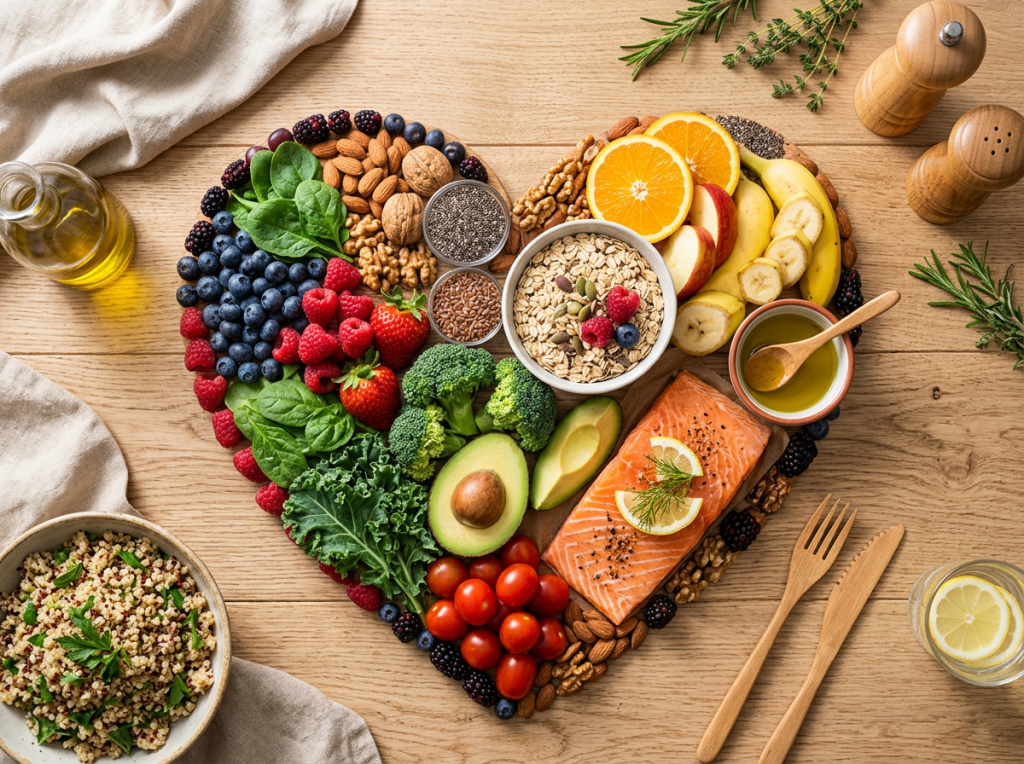
How to Lower Cholesterol with Smart Food Choices
Nearly 40% of American adults may have high lipid levels, often without realizing it. Dietary choices significantly impact heart health; small changes can enhance wellness. This guide emphasizes understanding cholesterol,…
-

8 Evening Rituals for Better Sleep Quality
Establishing a consistent evening routine can significantly improve sleep quality. Key practices include dimming lights, limiting screen time, sipping caffeine-free drinks, gentle stretching, and maintaining a cool bedroom environment. These…
-

Walking Speed and Brain Health: Key to Aging Well
A study of 4,000 seniors aged 80 and older indicates a strong connection between walking speed and cognitive health. Those with faster walking speeds are significantly less likely to experience…
-
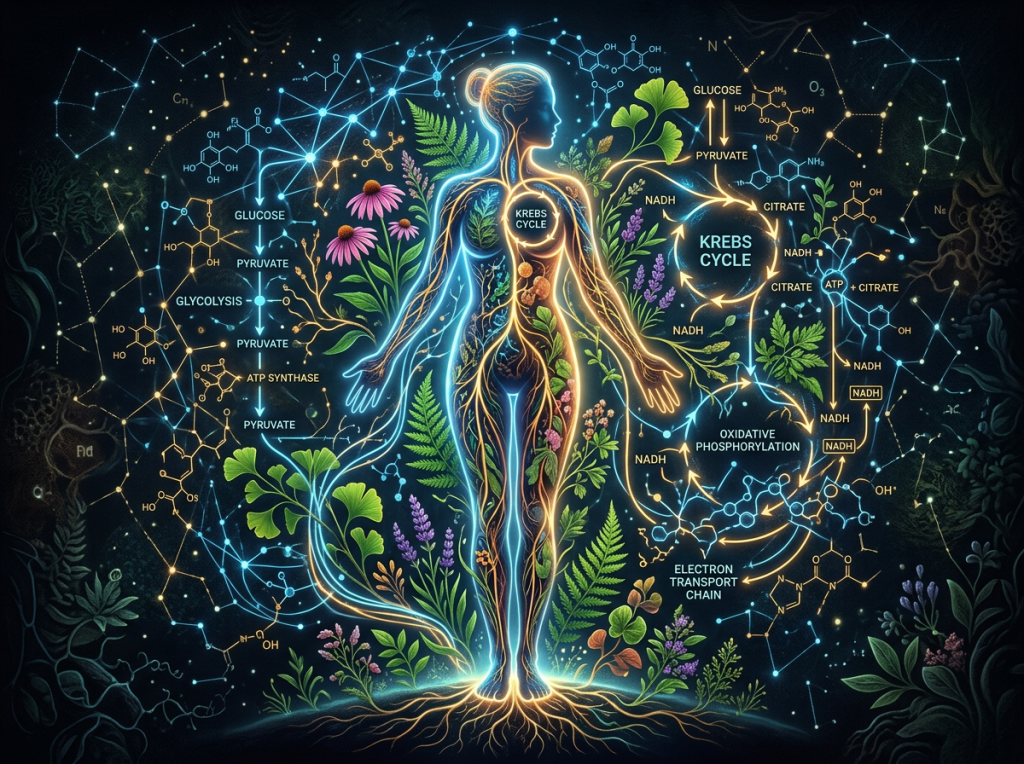
Nagano Tonic Review: Real Results or Just Hype?
The article evaluates the Nagano Tonic, a weight loss supplement containing Japanese ingredients aimed at improving metabolism. It distinguishes between genuine health benefits and marketing claims, highlighting the tonic’s potential…
-

Unlocking Longevity: 8 Habits for a Healthier Life
People in Blue Zones live significantly longer than Americans, emphasizing longevity through simple, science-backed habits. Key practices include regular movement, plant-based nutrition, social connections, and effective stress management. Consistency in…
-

Master Aging Fitness: Train Smarter, Not Harder
As people age, workout routines must adapt to prevent injuries and support recovery due to natural muscle loss starting in their thirties. Training should prioritize sustainable practices and consistent movement…
-

Heart-Healthy Benefits of Frozen Foods
Frozen foods, particularly fruits and vegetables, often retain more nutrients than fresh produce due to being harvested at peak ripeness and flash-frozen. Incorporating items like berries, spinach, salmon, and edamame…
-
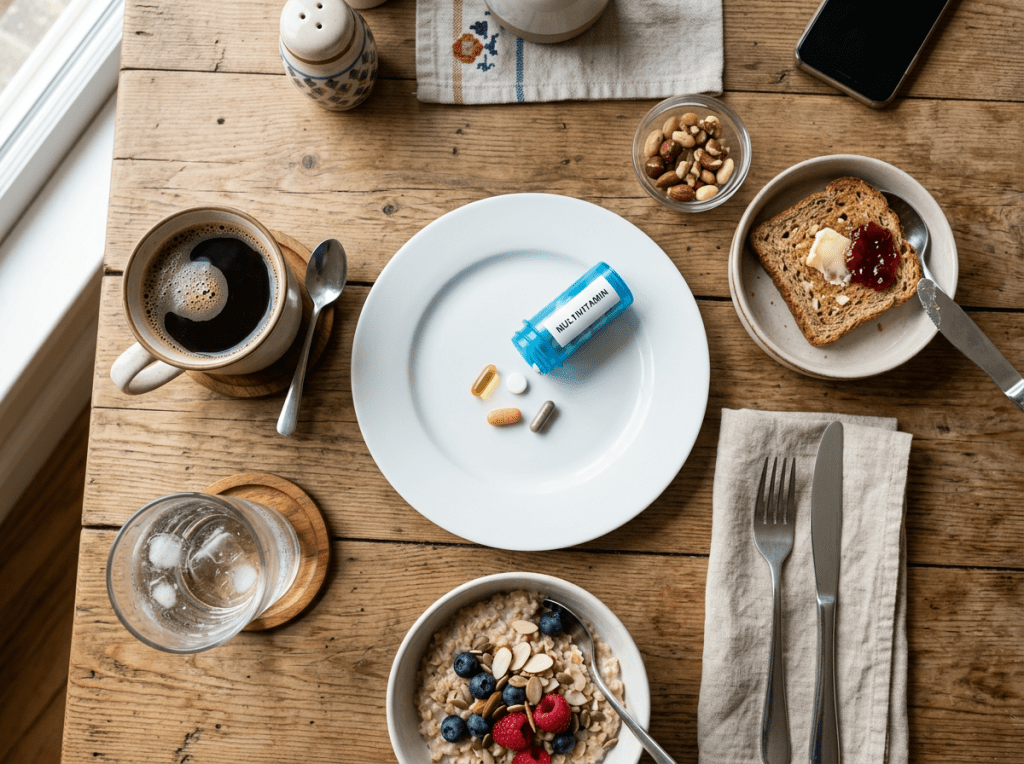
Optimize Your Supplement Timing for Better Absorption
Many Americans take supplements incorrectly on an empty stomach, hindering absorption and causing digestive issues. Certain nutrients require food or specific conditions for optimal effectiveness. Adjusting the timing of supplement…
-

Early Signs of Aging: How to Spot Health Decline
Nearly 70% of age-related changes begin internally, often unnoticed until later signs appear, such as graying hair or forgetfulness. Early detection of subtle shifts in health can enhance independence and…
-
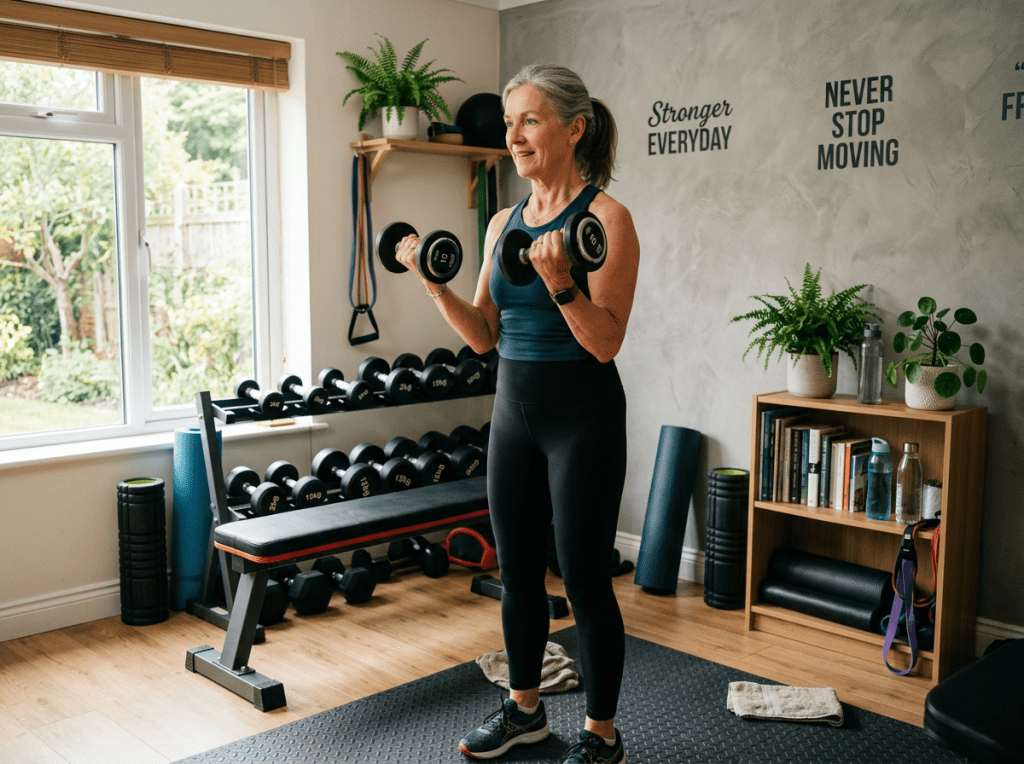
Combat Sarcopenia: Tips to Preserve Muscle After 30
After age 30, muscle strength declines by 3% to 5% each decade, impacting daily tasks and independence. Understanding and addressing sarcopenia through strength training and proper nutrition can significantly slow…


-
Subscribe
Subscribed
Have a WordPress.com account? Log in now.

